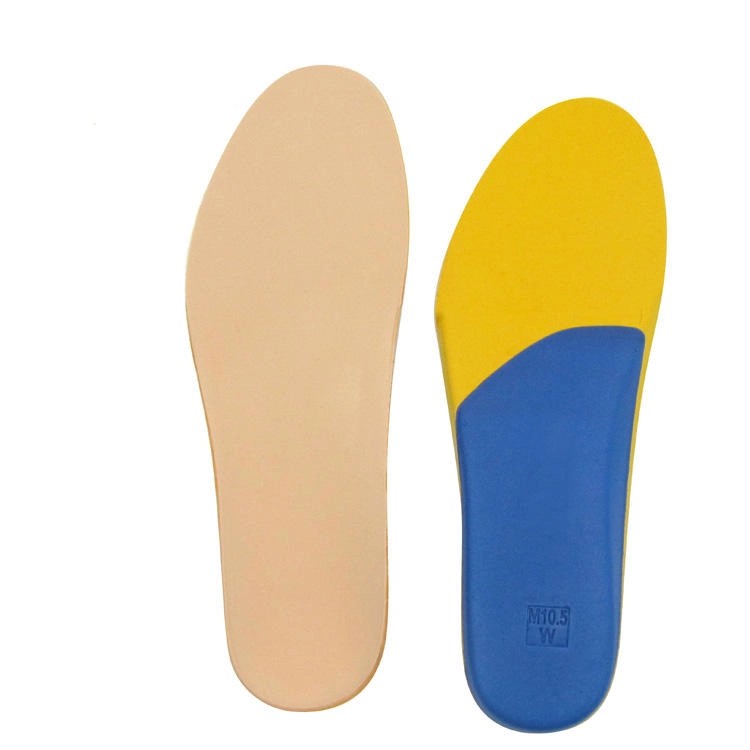
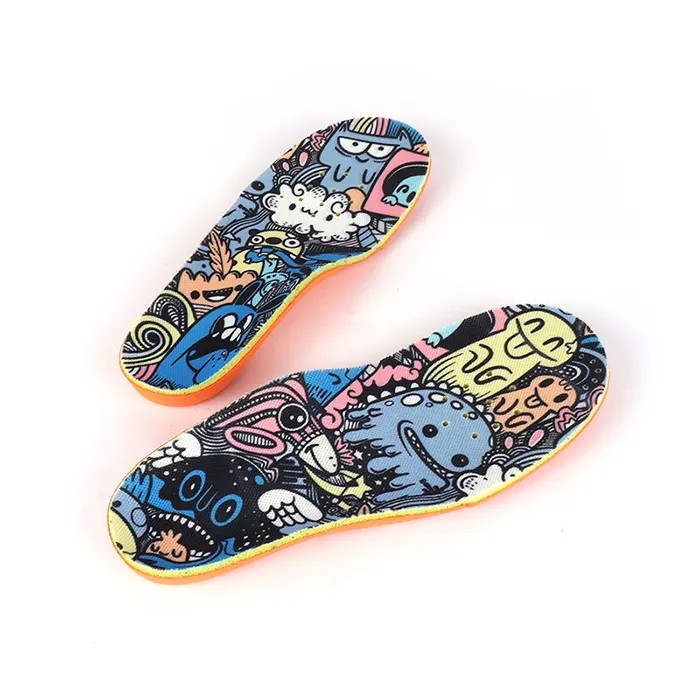
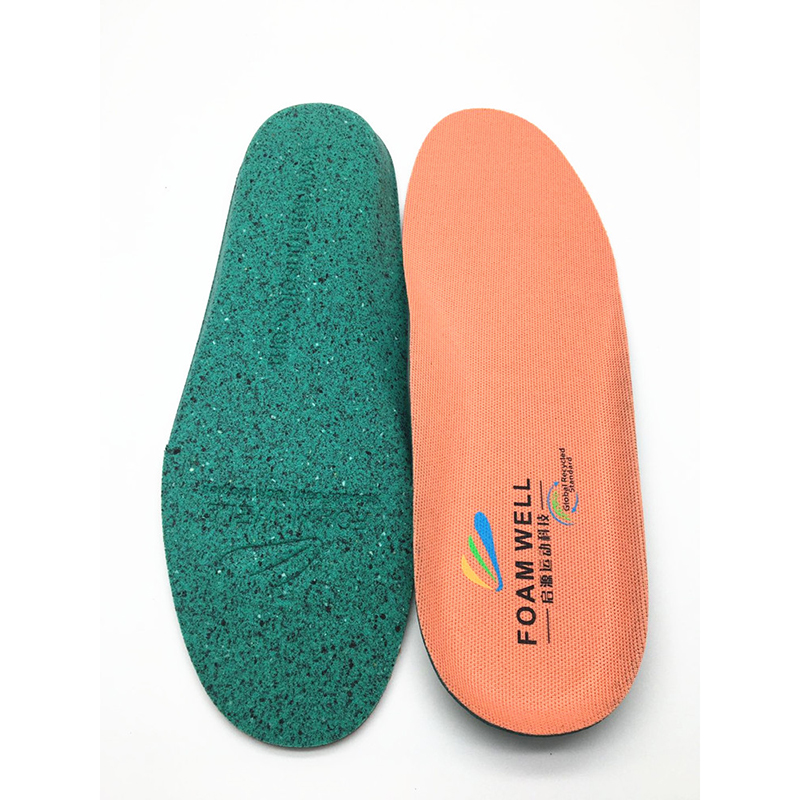
Featured Marathon Training & Running Footwear Insoles
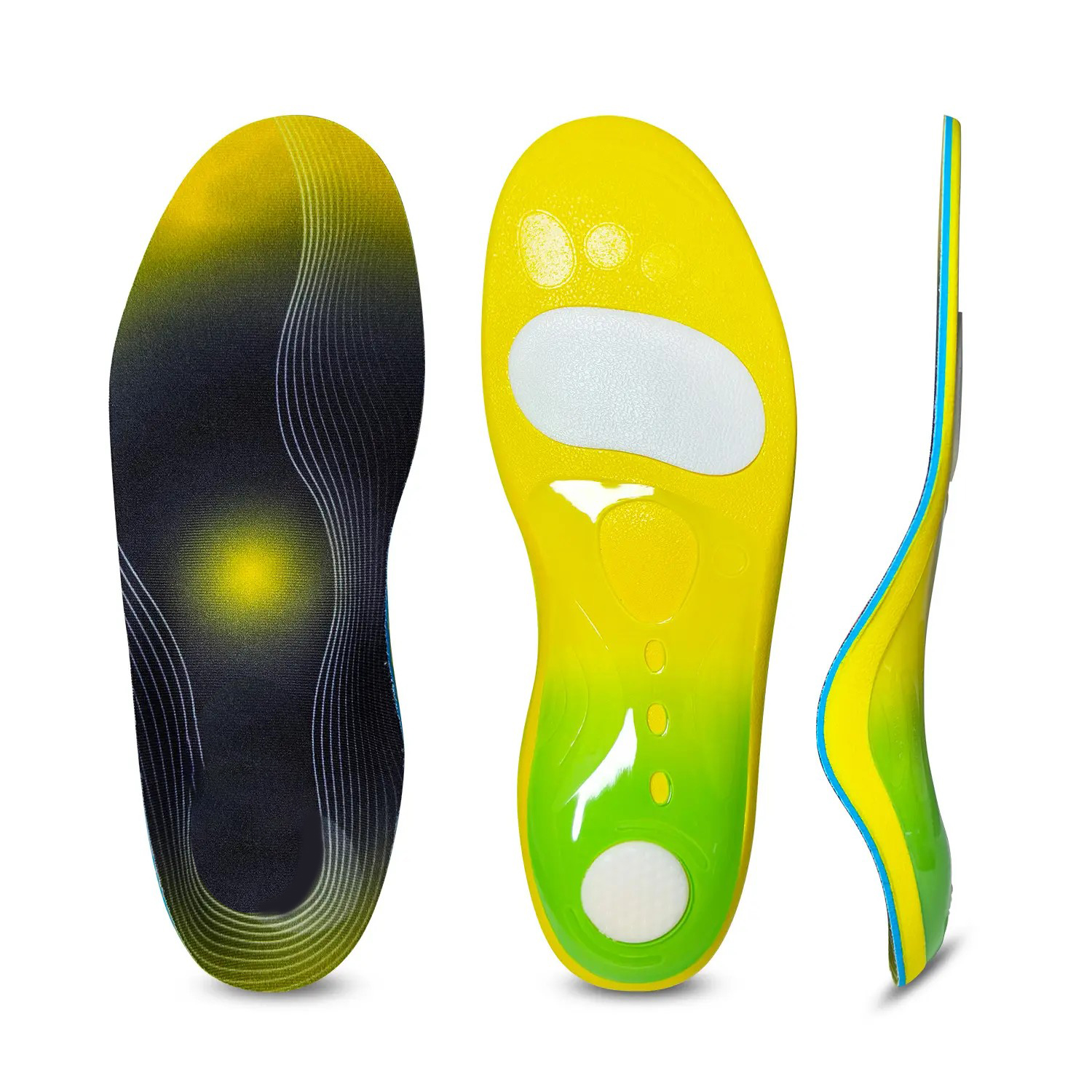
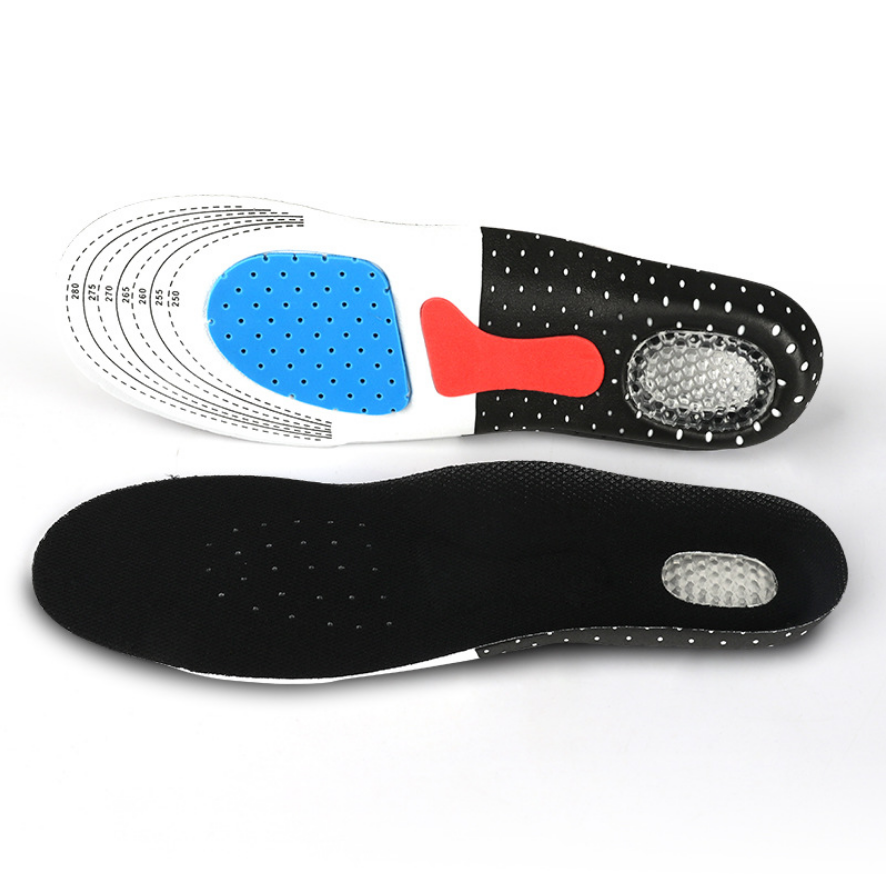

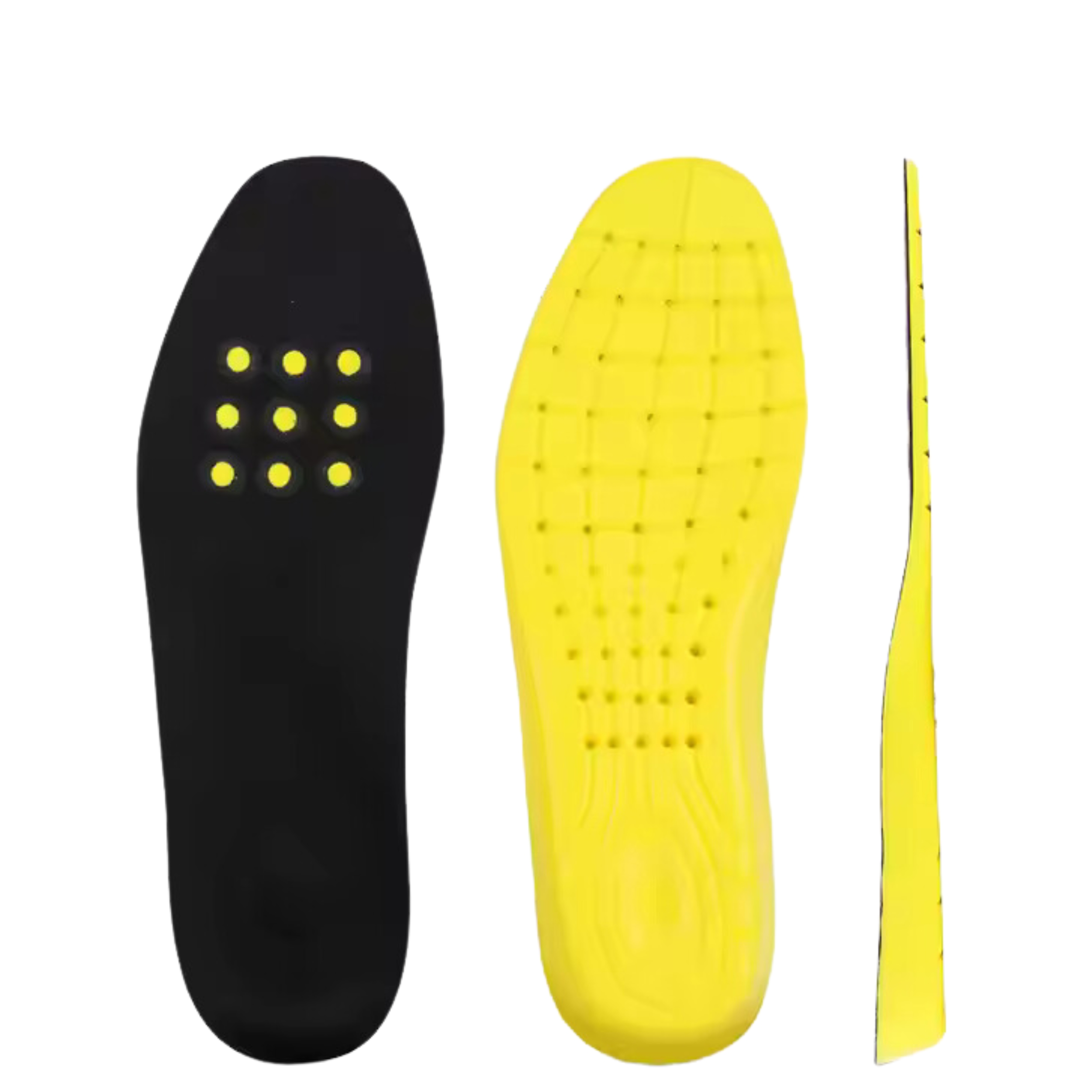
The Revolution of Algae EVA in Marathon Training & Long-Distance Footwear
In the high-performance running industry, the quest for the ultimate balance between energetic responsiveness, physical support, and environmental sustainability has led to a major material science breakthrough: Algae EVA (Ethylene-Vinyl Acetate) insoles. Long-distance running, particularly marathon training, subjects the human musculoskeletal system to repetitive, high-impact stress. Every stride generates ground reaction forces up to four times the runner's body weight. Over the course of a 42.195-kilometer race or hundreds of weekly training miles, this stress accumulates, leading to fatigue, structural micro-trauma, and common overuse injuries. The introduction of Algae EVA insoles represents a pivotal evolution in athletic footwear engineering, addressing both the biomechanical demands of runners and the ecological responsibilities of modern manufacturing.
High Energy Return
Algae-blended EVA foams offer optimized compression set resistance, ensuring sustained rebound and energy return over long distances.
Biomechanical Protection
Engineered to support the medial arch, stabilize the heel cup, and distribute peak impact forces to mitigate plantar fasciitis risks.
Eco-Friendly Footprint
Replaces petrochemical polymers with harvested wild algae biomass, cleaning aquatic ecosystems and reducing greenhouse gas emissions.
Material Science: The Mechanics of Algae EVA
Standard EVA has long been the baseline polymer for midsoles and sockliners due to its lightweight nature, ease of molding, and initial cushion. However, conventional petrochemical-based EVA is associated with a high carbon footprint and eventual degradation of cushioning properties (commonly known as "packing out"). Algae EVA changes this dynamic. By harvesting wild algae from freshwater sources suffering from eutrophication (excessive nutrient runoff that starves aquatic life of oxygen), manufacturers can process this biomass into a thermoplastic resin. This bio-based resin is then compounded with traditional EVA.
The resulting hybrid material boasts a unique microcellular structure. The natural proteins and fibers within the algae biomass act as structural reinforcements within the elastomer matrix. This results in a material that exhibits superior tensile strength, excellent elongation properties, and enhanced thermal stability. For marathon runners, this translates to an insole that retains its cushioning thickness and shock-absorbing capacity far longer than standard synthetic foams, maintaining consistent footbed geometry from mile 1 to mile 26.2.
Deep Application Scenarios in Long-Distance Running
Marathon training requires footwear that can adapt to changing biomechanics as muscular fatigue sets in. Algae EVA insoles are engineered to serve multiple high-performance functions within elite running shoes:
- Dynamic Arch Support and Pronation Control: As runners tire, their arches naturally collapse, leading to overpronation and increased strain on the shins and knees. Algae EVA insoles can be molded with variable density zones—firmer under the midfoot and heel, and softer under the metatarsals—to dynamically guide the foot through a neutral gait cycle.
- Microclimate Regulation: The accumulation of heat and sweat inside a running shoe is a primary cause of blisters and fungal infections. The porous cellular nature of Algae EVA, combined with advanced perforation patterns, facilitates excellent breathability and moisture-wicking properties, keeping the foot cool and dry.
- Synergy with Carbon Fiber Plates: Modern "super shoes" rely on rigid carbon fiber plates embedded within ultra-soft midsoles. Algae EVA insoles act as a crucial biomechanical interface, cushioning the foot directly against the rigid plate while maximizing the energy transfer from the plate's snap-back mechanism.
Industrial Status and Market Dynamics
The commercial footwear market is undergoing a massive paradigm shift. Consumers, regulatory bodies, and athletic organizations are demanding transparent, low-carbon supply chains. The global athletic footwear market, valued at over $120 billion, is actively transitioning toward bio-based materials. Algae EVA has emerged as one of the most commercially viable alternatives to pure petroleum foams. By utilizing algae harvested from environmental cleanup projects, brands can claim quantifiable ecological benefits, such as liters of clean water returned to habitats and cubic meters of air cleared of CO2.
Foamwell, as a global leader in sustainable insole R&D, has successfully scaled the manufacturing of Algae EVA. With production facilities strategically located in China, Vietnam, and Indonesia, Foamwell optimizes the supply chain to ensure that these eco-friendly components are cost-competitive with traditional foams, enabling major footwear brands to adopt sustainable insoles without inflating retail prices.
Future Trends in Sustainable Athletic Footwear
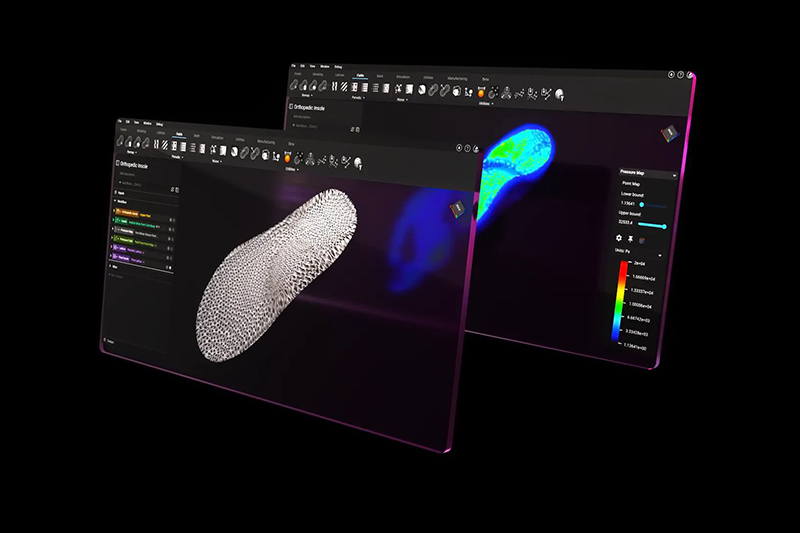
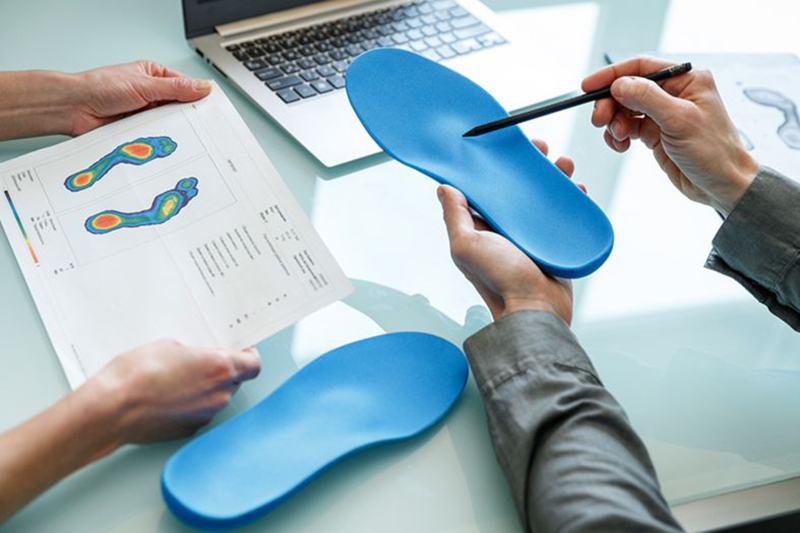
Looking to the future, the integration of Algae EVA will extend beyond standard molding. The industry is moving toward 3D-printed custom lattices utilizing algae-based thermoplastic polyurethanes (TPU) and EVA blends. This will allow podiatrists and footwear designers to print custom-tailored insoles based on a runner's unique pressure map. Furthermore, as circular economy initiatives gain traction, the development of fully biodegradable or recyclable Algae EVA formulations will ensure that running shoes leave zero footprint—both on the trail and on the planet.
We Are Around Everywhere You Need Us To Be!
Global Factory
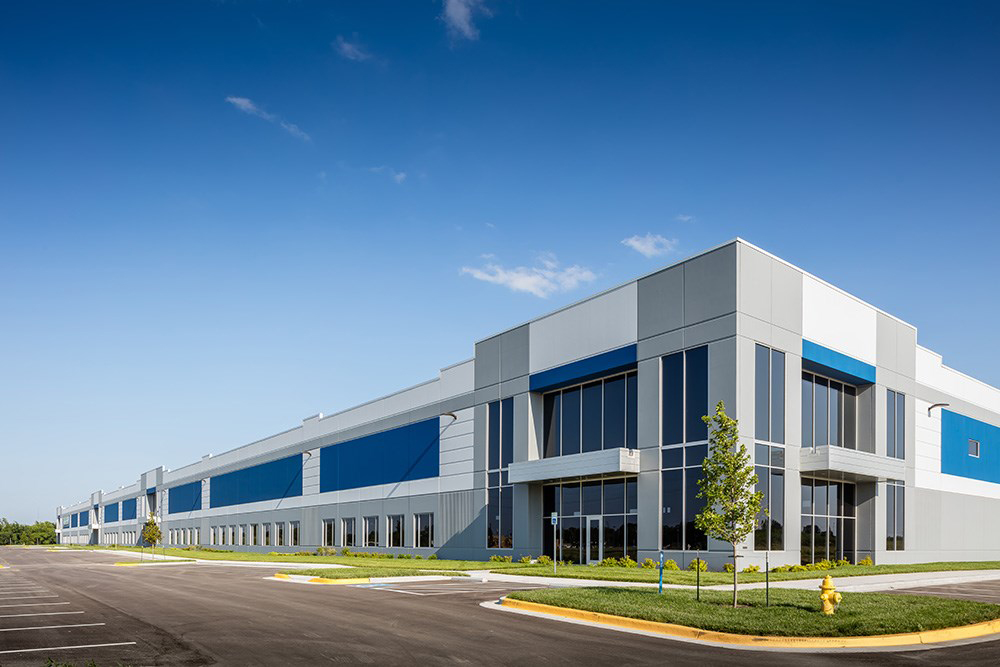
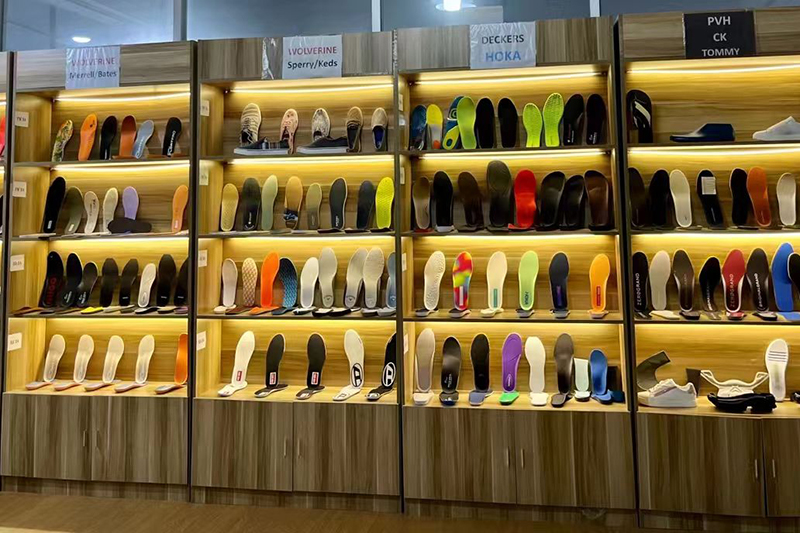
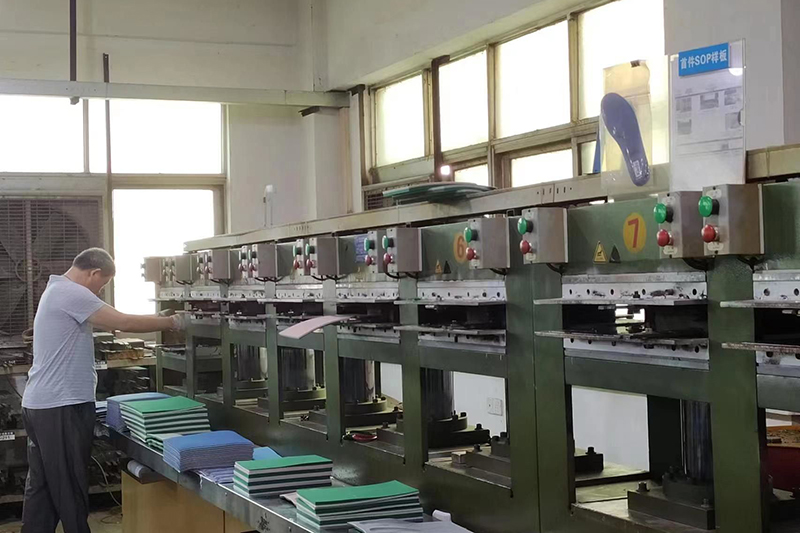
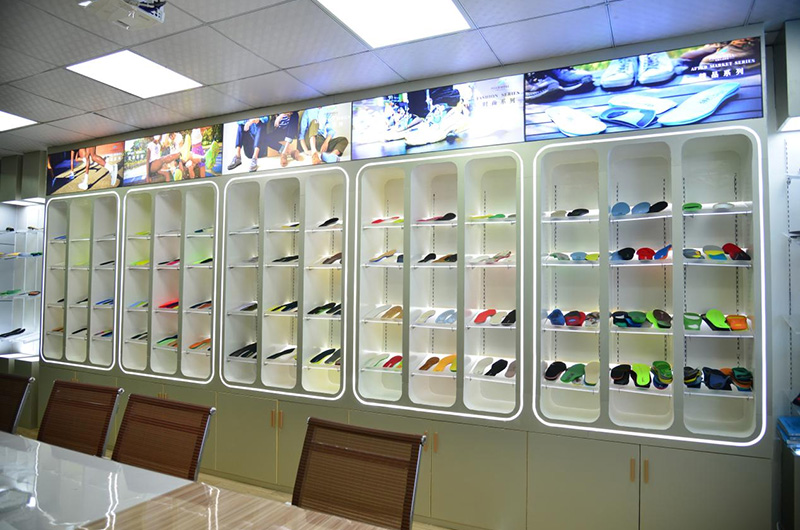
Foamwell is registered in Hong Kong with production facilities in China, Vietnam and Indonesia, specializing in the development and manufacturing of sustainable environmentally friendly PU Foam, Memory Foam, Patent Polylite Elastic Foam, Polymer Latex; Foamwell also focuses on the development and manufacturing of EVA, PU, LATEX, TPE, PORON, POLYLITE, Supercritical Foaming insoles, PU Orthotic insole, Customized insoles, Heightening insoles, High-tech insoles, and products for foot care.
Foamwell excels in innovating increases of comfort, shock absorption, breathability, high resilience, orthotic treatments, nanoscale deodorization, silver ion antibacterial, ESD, and Bio elements.
Quality Control
Our vision is to customize and produce products for foot health with incomparable comfort and high performance for every customer.
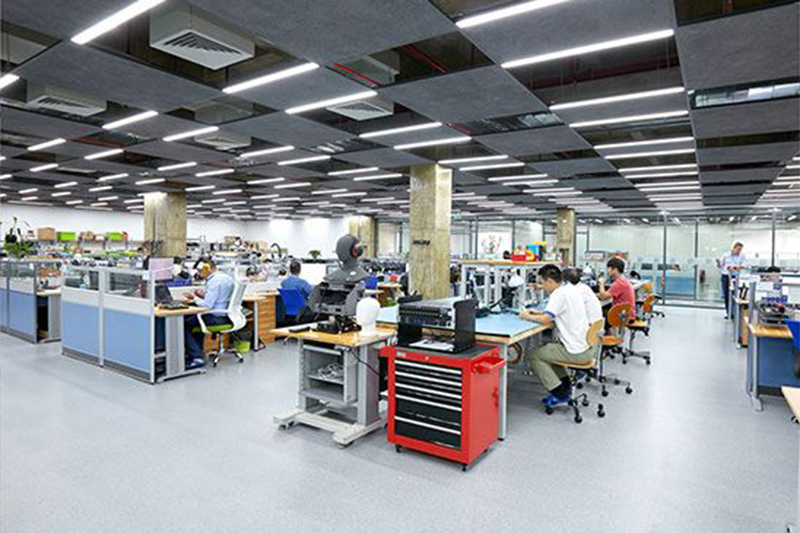
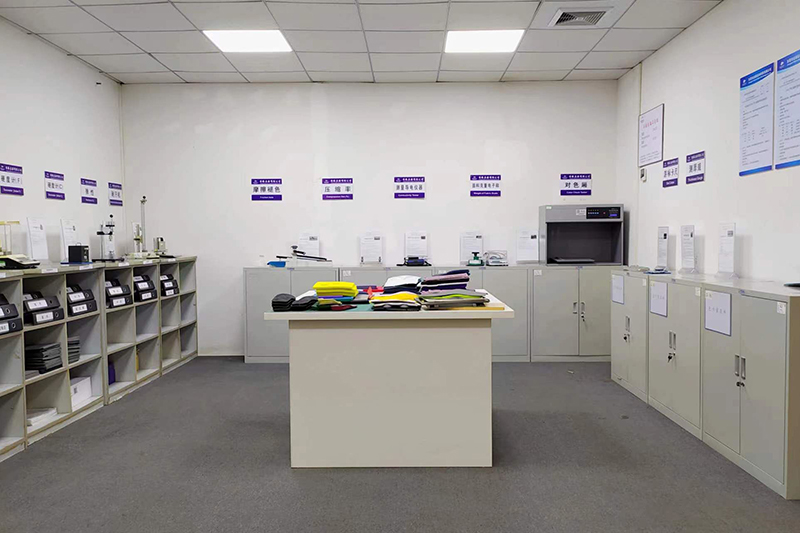
Foamwell in-house Testing Laboratory plays a key role in our company’s business. It is formed by a group of specialists to ensure the quality standard for each product from incoming material to ready-to-ship process, to provide customers with the very best product.

Foamwell Advantages
Our vision is to customize and produce products for foot health with incomparable comfort and high performance for every customer.
Why Choose Us
Our vision is to customize and produce products for foot health with incomparable comfort and high performance for every customer.
Time Effectiveness
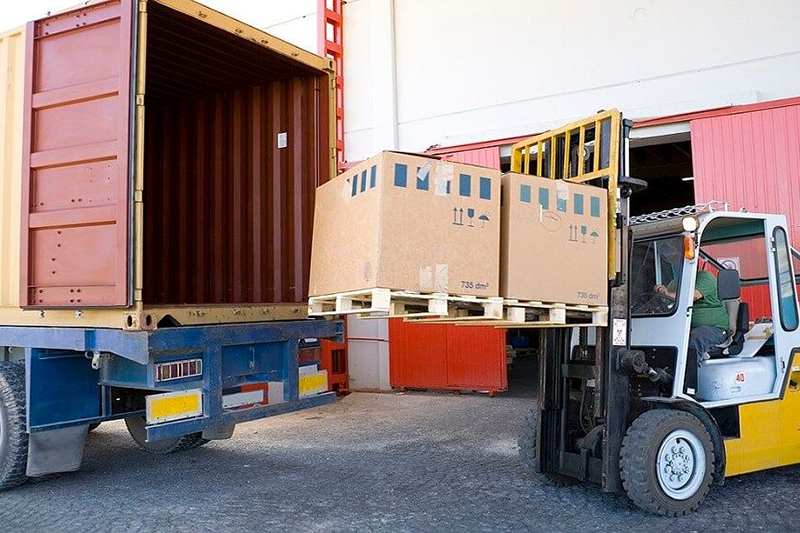
3-5 days for design, 5-7 days for samples, 30-35 days for bulk order delivery.
Cost Effectiveness
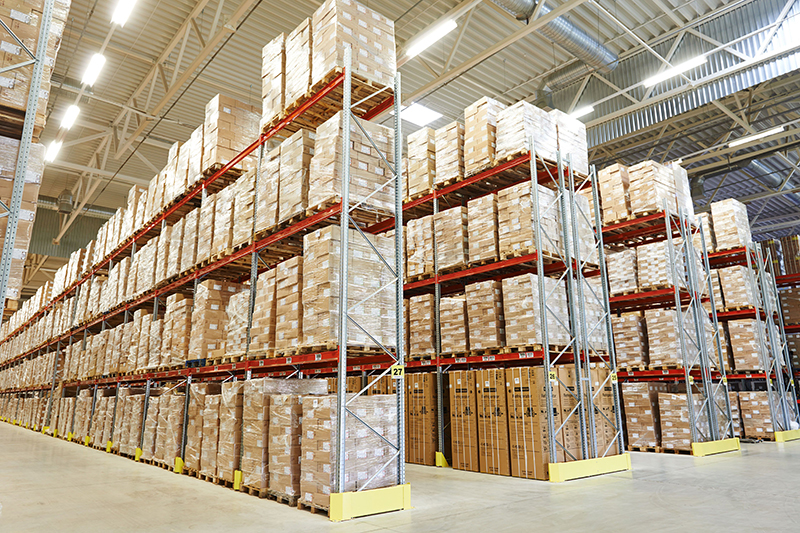
With production facility in China, Vietnam, Indonesia for local delivery and service to minimize the cost.
Environmental Friendly
Process with recycled/bio-based material and energy-efficient production method to minimize carbon footprint.
Certificates
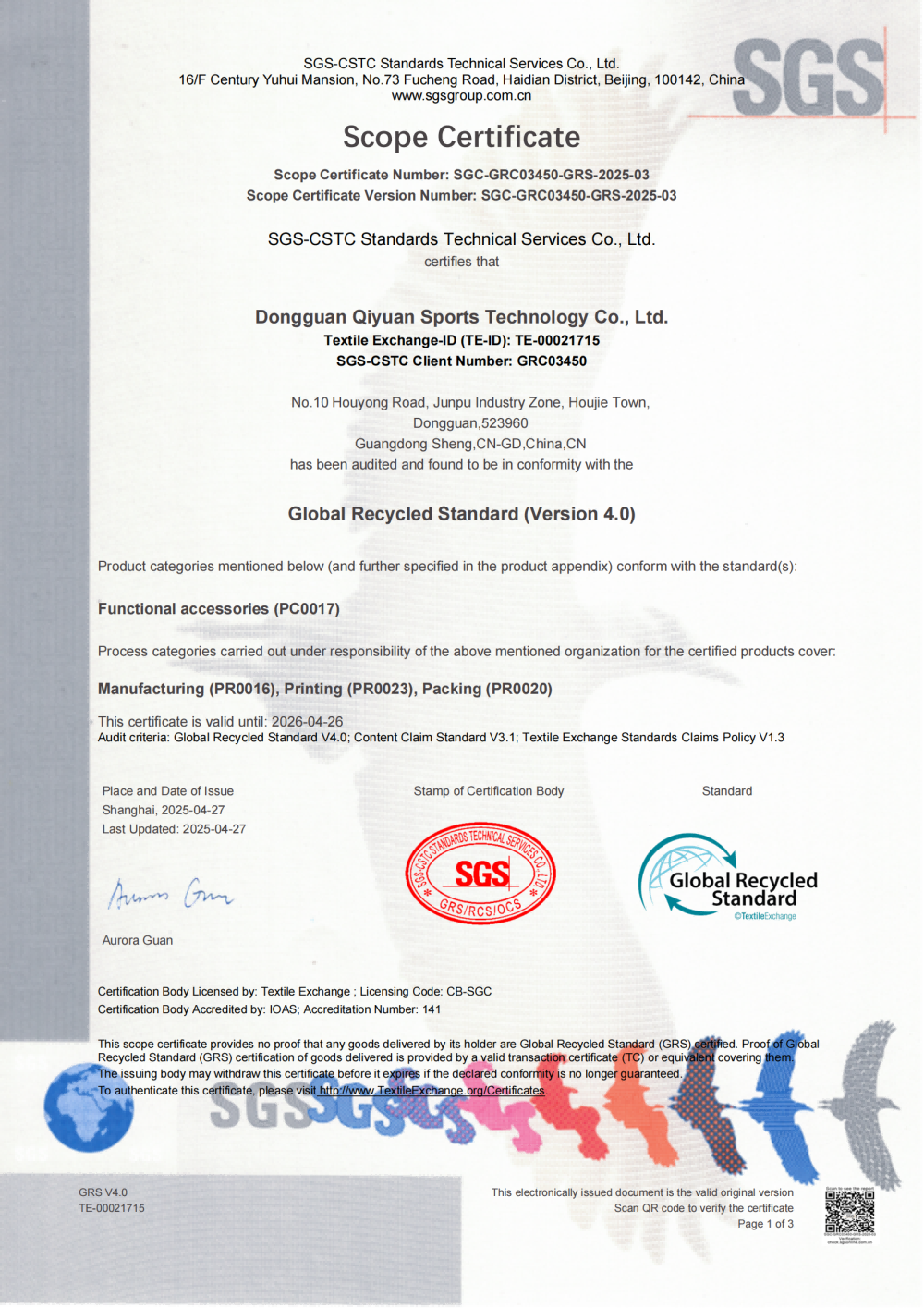
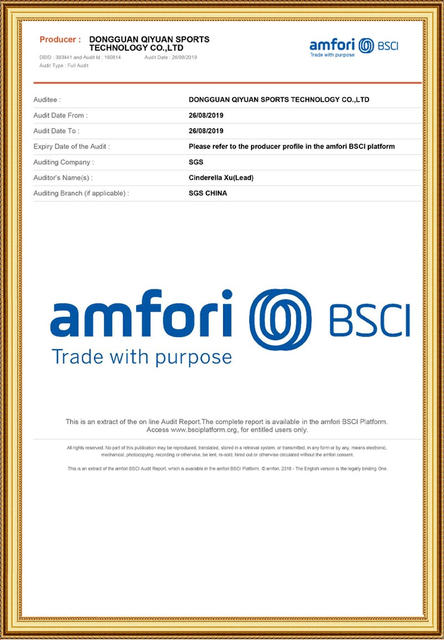
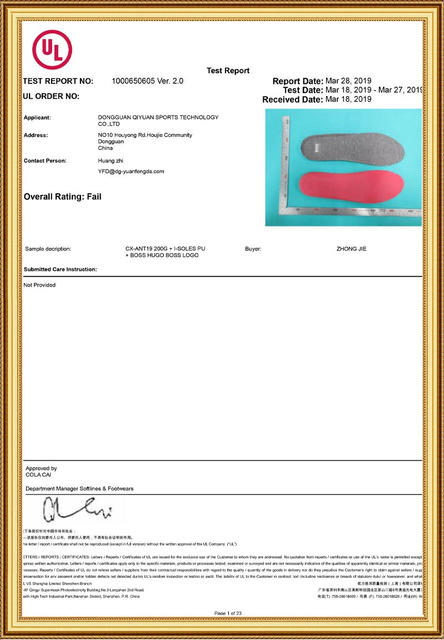
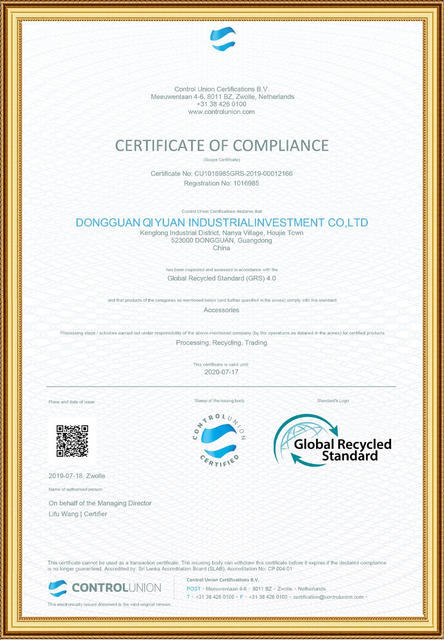
Foamwell has been approved the ISO Certificate, BSCI, GRS, and owns lots of patents for the insole invention and designs.