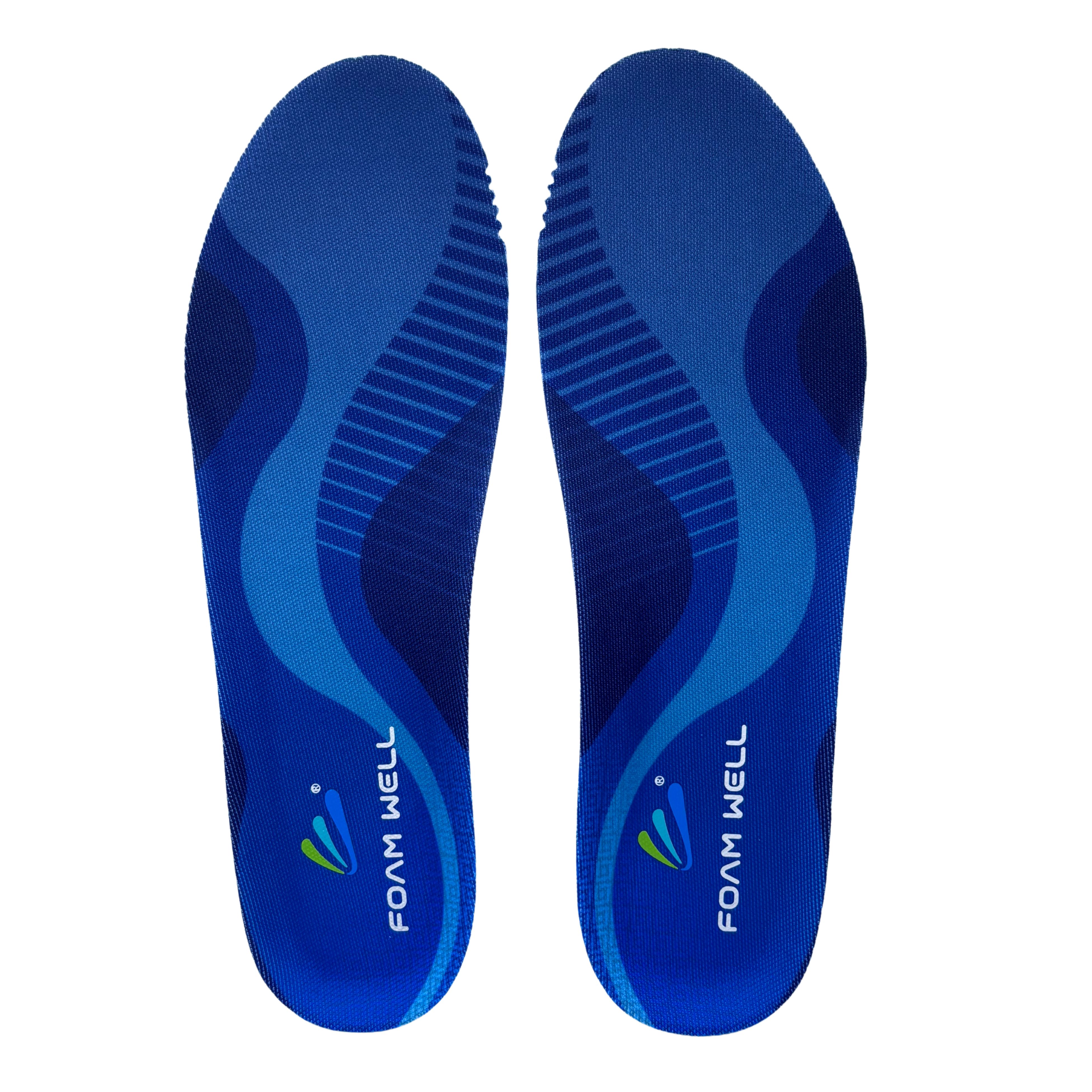
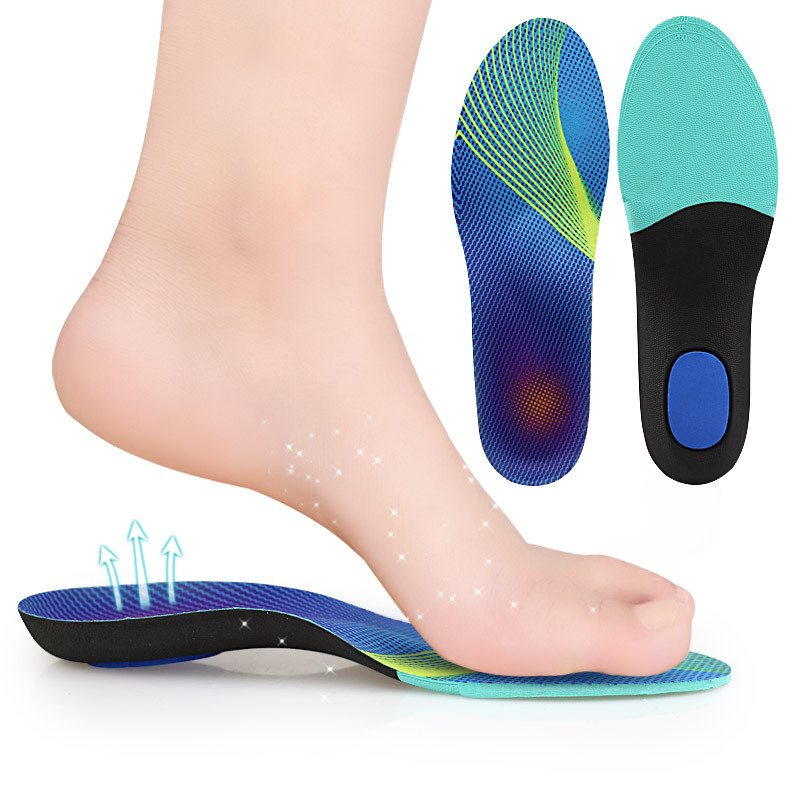
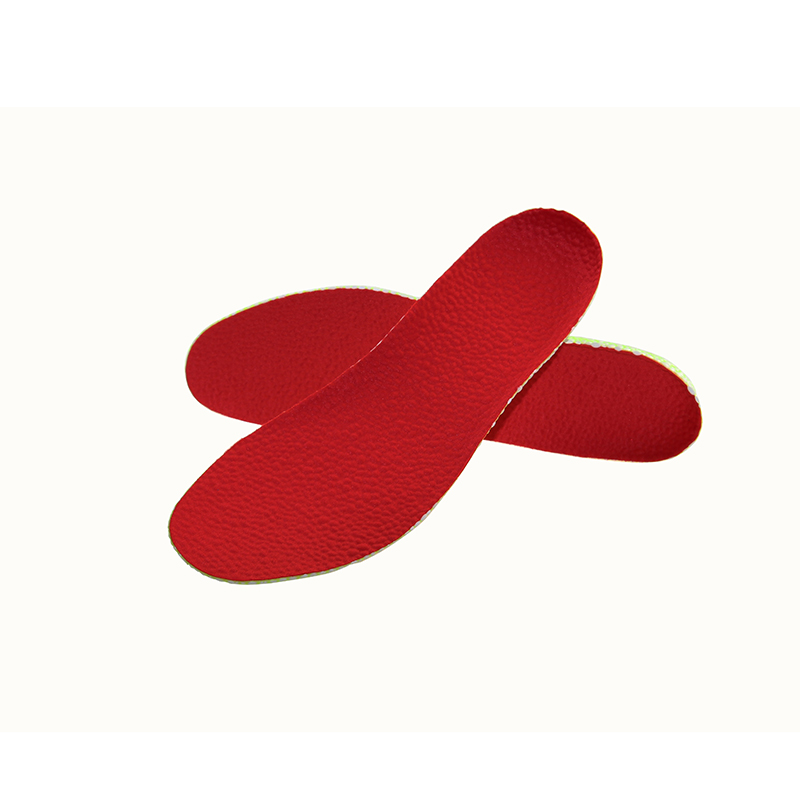
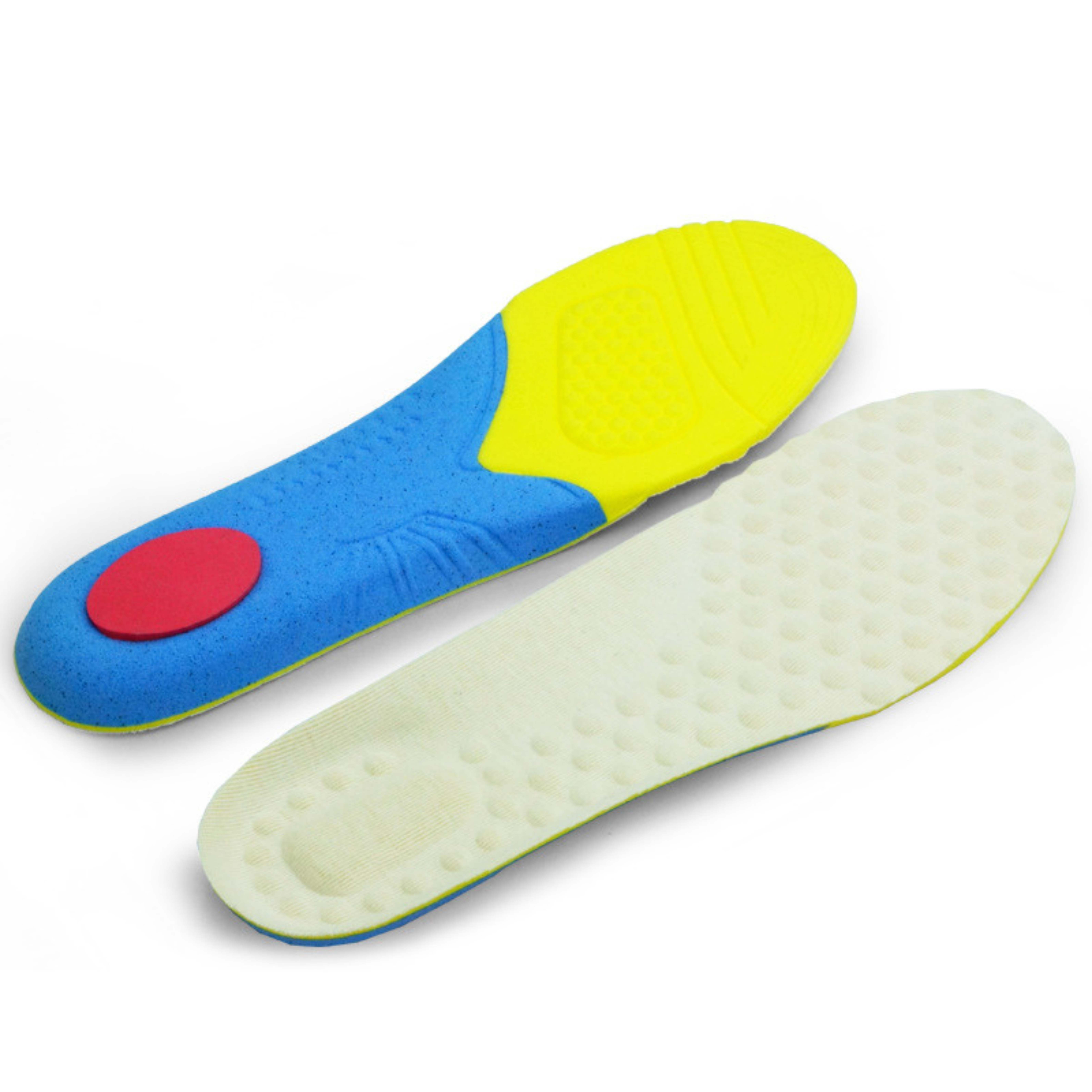
Featured Therapeutic & Biodegradable Insoles
Advanced, bio-based orthotic products tailored for clinical precision and enhanced patient comfort.
The Commercial & Industrial Landscape of Biodegradable Insoles
The global podiatric and therapeutic foot care industries are experiencing a profound paradigm shift. Historically, custom orthotics and over-the-counter therapeutic insoles relied heavily on petroleum-derived polymers, such as conventional Ethylene-Vinyl Acetate (EVA), polyurethane (PU) foams, and synthetic gel sheets. While these materials provide adequate biomechanical support, their long-term environmental footprint is significant, with discarded orthotics contributing to millions of tons of non-biodegradable waste in landfills annually.
Today, regulatory pressures, corporate sustainability targets, and a major shift in consumer consciousness are driving podiatric clinics and medical retail channels toward circular economy principles. The demand for biodegradable insoles has transitioned from a niche marketing trend into a core industrial requirement. Manufacturers are leveraging advanced bio-based chemistry to synthesize materials that degrade naturally without releasing toxic byproducts, all while matching or exceeding the physical performance, durability, and customization capabilities of legacy plastics.
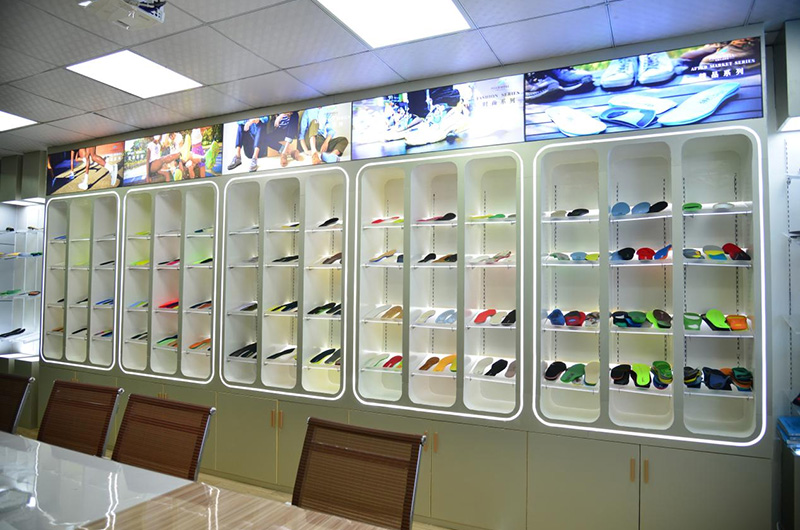
Key Development Trends Driving the Industry
Several key trends are shaping the future of therapeutic foot care materials:
Bio-Synthesized Polymers
Utilization of plant-derived starches, agricultural waste, and algae biomass to formulate resilient foams that biodegrade under industrial composting conditions.
Supercritical Foaming
Transitioning away from chemical blowing agents toward physical gas expansion (such as nitrogen), yielding cleaner, lighter, and highly recyclable thermoplastic foams.
Clinical Bio-Compatibility
Ensuring that eco-friendly materials remain hypoallergenic, antimicrobially active via natural agents, and non-reactive when in contact with diabetic or sensitive skin.
Deep Dive: Clinical & Retail Application Scenarios
How biodegradable insoles are integrated into modern healthcare settings and specialized commercial channels.
1. Podiatry Clinics: Custom Orthotics & Biomechanical Correction
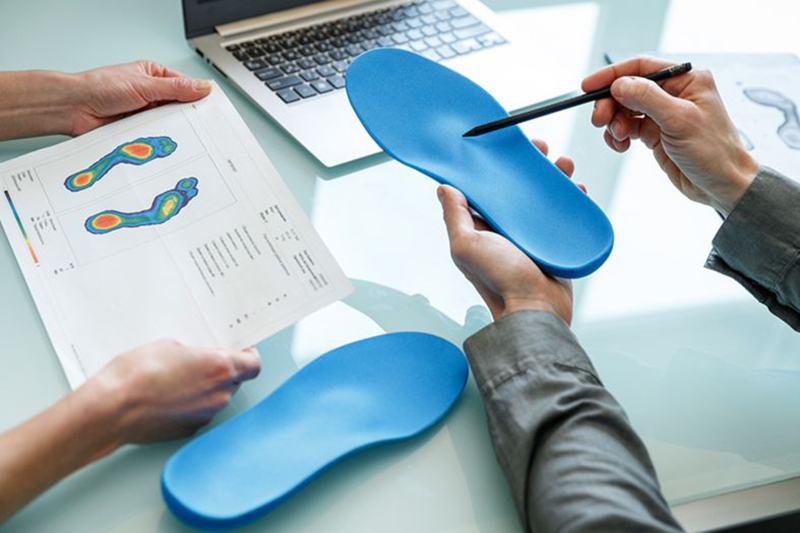
In clinical podiatry, insoles are medical tools designed to treat pathomechanics, redistribute plantar pressures, and alleviate chronic pain associated with conditions such as plantar fasciitis, metatarsalgia, and overpronation. Historically, podiatrists were hesitant to adopt eco-friendly materials due to concerns over structural fatigue and rapid deformation under load.
Modern biodegradable PU and Polylite elastic foams have solved this issue. These materials possess high tensile strength, excellent compression set resistance, and predictable elastic recovery. Podiatrists can now prescribe custom-molded or prefabricated biodegradable insoles that maintain their corrective geometry throughout the therapeutic cycle, yet decompose safely once replaced, aligning patient care with environmental responsibility.
2. Therapeutic Foot Care Retail: Over-The-Counter (OTC) Wellness
Specialized foot care retailers cater to consumers seeking immediate relief from foot fatigue, minor structural discomfort, and athletic strain. This demographic is highly aligned with lifestyle wellness and eco-conscious consumption.
By offering biodegradable insoles integrated with technologies like algae-based compounds, silver-ion antimicrobial top sheets, and natural cork or bamboo covers, retailers can capture premium market segments. Customers benefit from advanced cushioning, nanoscale deodorization, and moisture management, while knowing that their purchase does not contribute to persistent plastic pollution.
3. Diabetic Foot Management & Preventive Care
Patients suffering from diabetic neuropathy require extremely soft, low-shear, shock-absorbing materials to prevent friction-induced skin breakdown and subsequent plantar ulcerations. Foamwell’s specialized polymer latex and memory foams offer the necessary micro-climate control and pressure redistribution.
Integrating bio-based elements into these soft-tissue support systems ensures that the insoles remain free of volatile organic compounds (VOCs) and harsh chemical residues. This provides a highly biocompatible, clean environment inside the shoe, which is crucial for compromised diabetic feet.
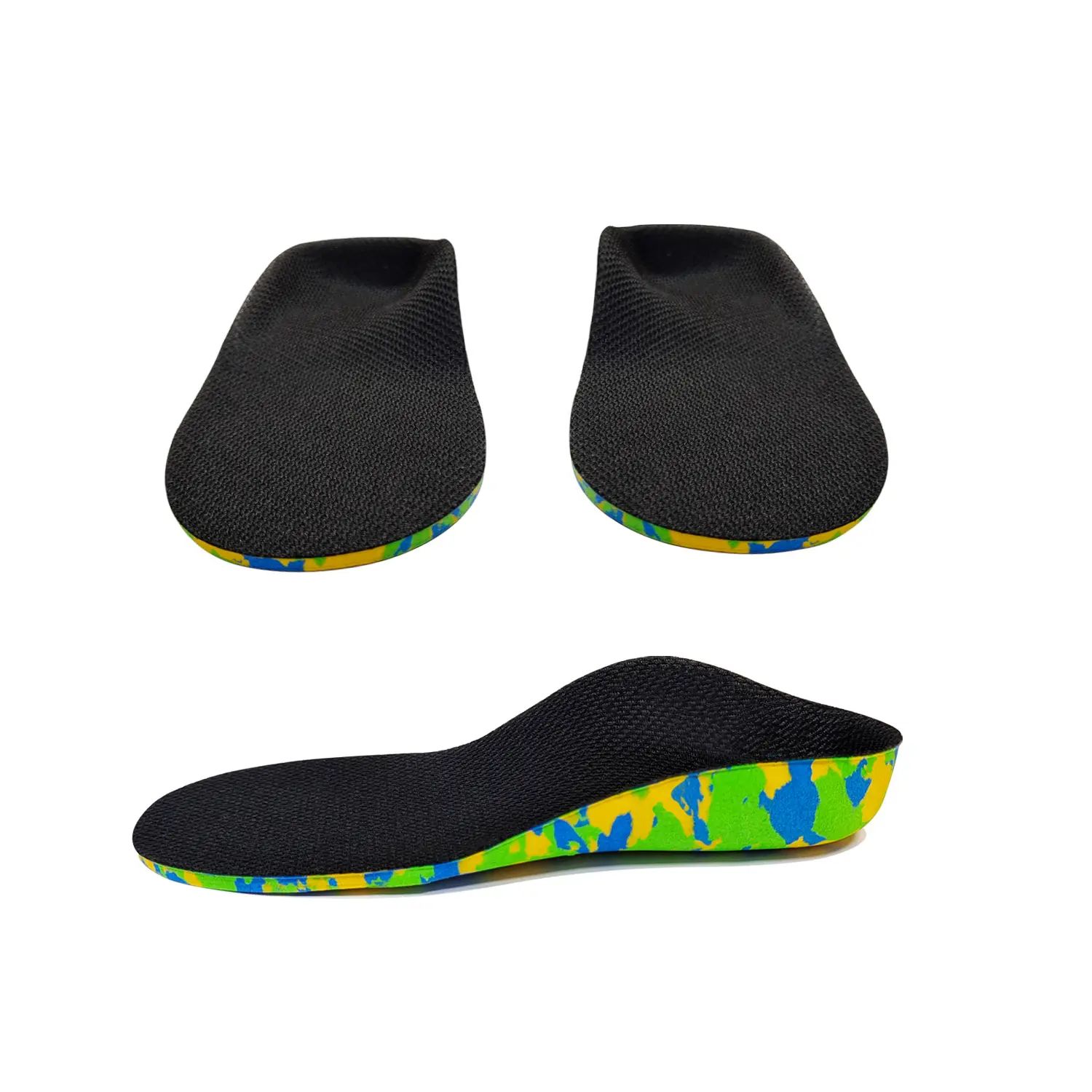
4. Pediatric Orthotics: Nurturing Growing Feet Safely
Children with flat feet or developmental gait abnormalities require frequent insole replacements as they grow. This rapid replacement cycle generates significant waste.
Implementing biodegradable orthotic insoles in pediatric care minimizes this environmental impact. Furthermore, parents are highly receptive to non-toxic, chemical-free materials for their children. Using natural, bio-based foams assures parents that their children's feet are supported by materials that are safe for both their bodies and the planet.
We Are Around Everywhere You Need Us To Be!
Global infrastructure delivering high-quality, sustainable foot care components.
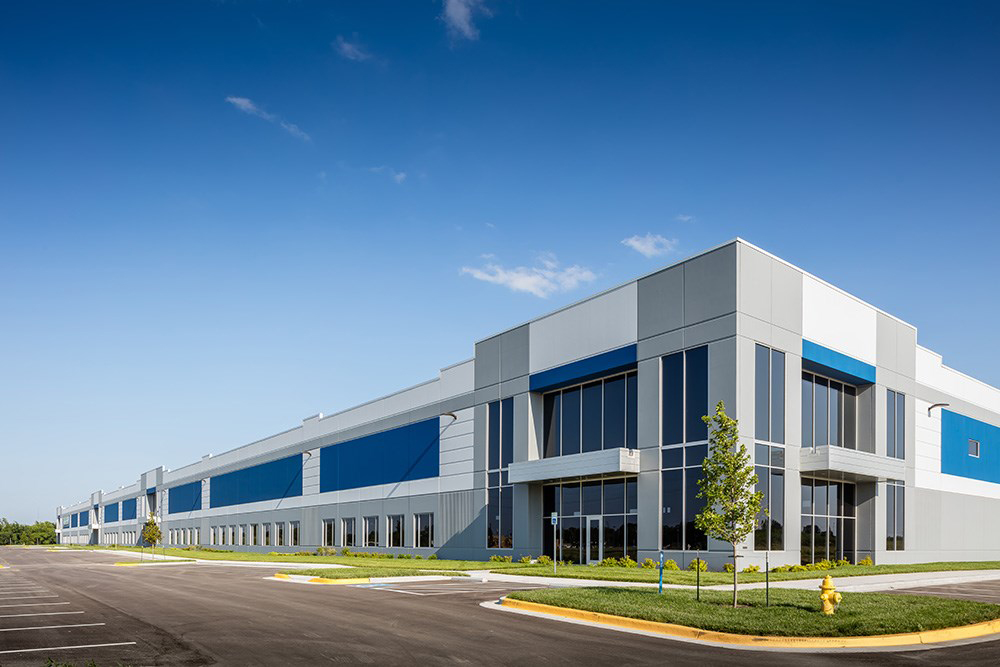
Global Factory
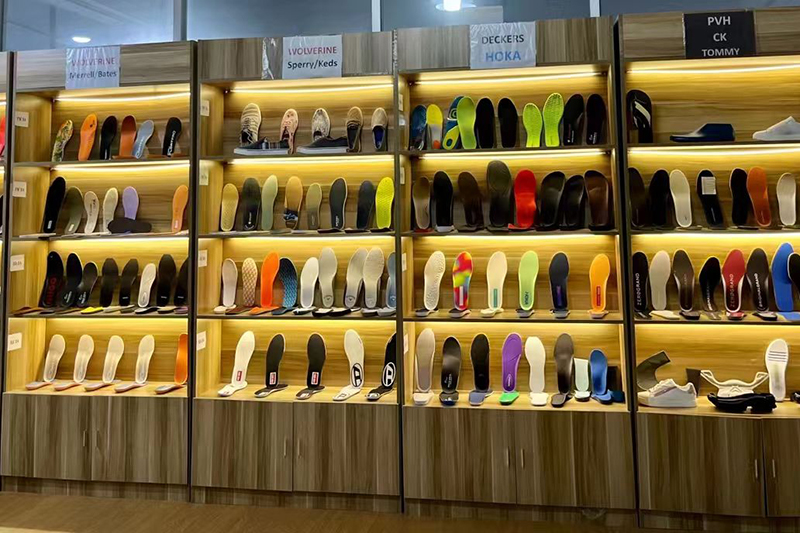
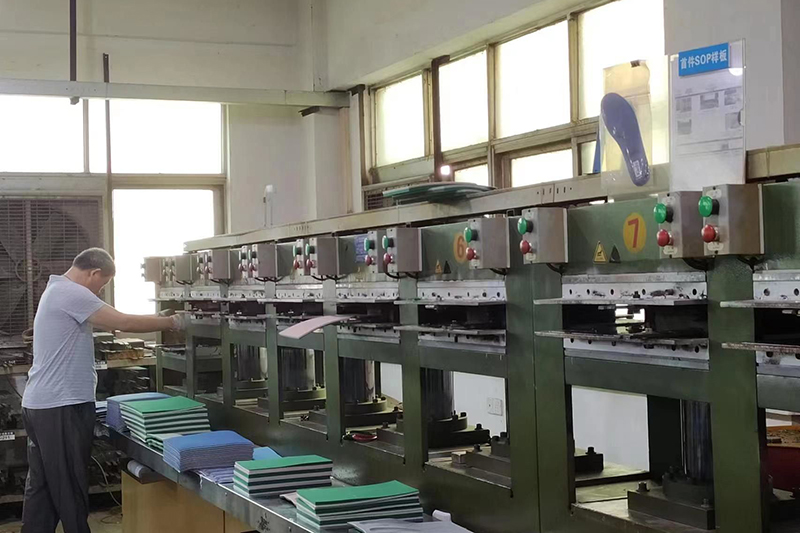
Foamwell is registered in Hong Kong with production facilities in China, Vietnam and Indonesia, specializing in the development and manufacturing of sustainable environmentally friendly PU Foam, Memory Foam, Patent Polylite Elastic Foam, Polymer Latex; Foamwell also focuses on the development and manufacturing of EVA,PU, LATEX,TPE, PORON, POLYLITE, Supercritical Foaming insoles, PU Orthotic insole, Customized insoles, Heightening insoles, High-tech insoles, and products for foot care. Foamwell excels in innovating increases of comfort, shock absorption. breathability, high resilience,orthotic treatments, nanoscasle deodorization, silver ion antibacterial,ESD, Bio elements;
Quality Control
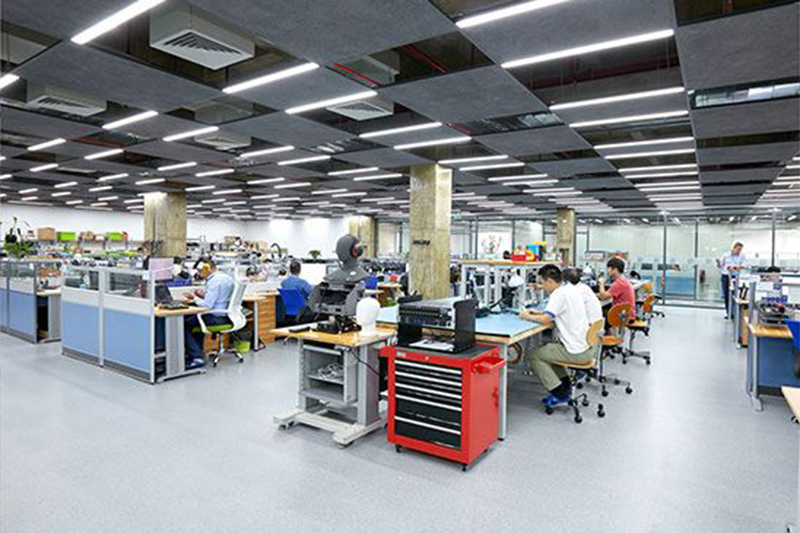
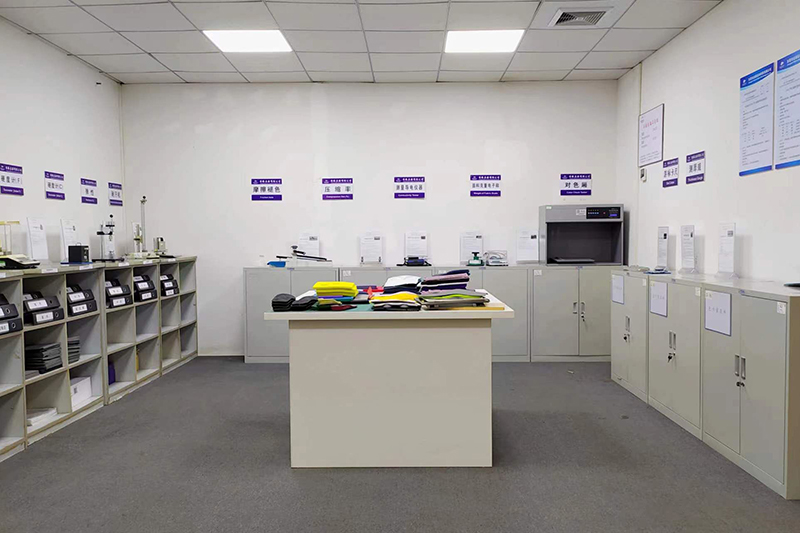
Foamwell in-house Testing Laboratory plays a key role in our company’s business, It is formed by a group of specialists to ensure the quality standard for each product from incoming material to ready-to-ship process, to provide customers with the very best product. Our vision is to customize and produce products for foot health with incomparable comfort and high performance for every customer.
Foamwell Advantages
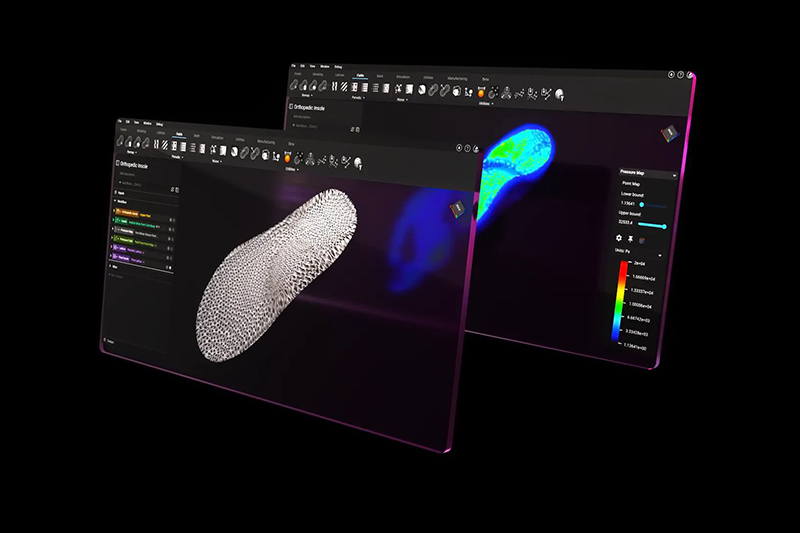
Our vision is to customize and produce products for foot health with incomparable comfort and high performance for every customer.
Why Choose Us
Engineered solutions designed to meet tight schedules, control costs, and respect the environment.
Time Effectiveness
3-5 days for design, 5-7 days for samples, 30-35 days for bulk order delivery.
Cost Effectiveness
With production facility in China, Vietnam, Indonesia for local delivery and service to minimize the cost.
Environmental Friendly
Process with recycled/bio-based material and energy-efficient production method to minimize carbon footprint.
Certificates & Compliance
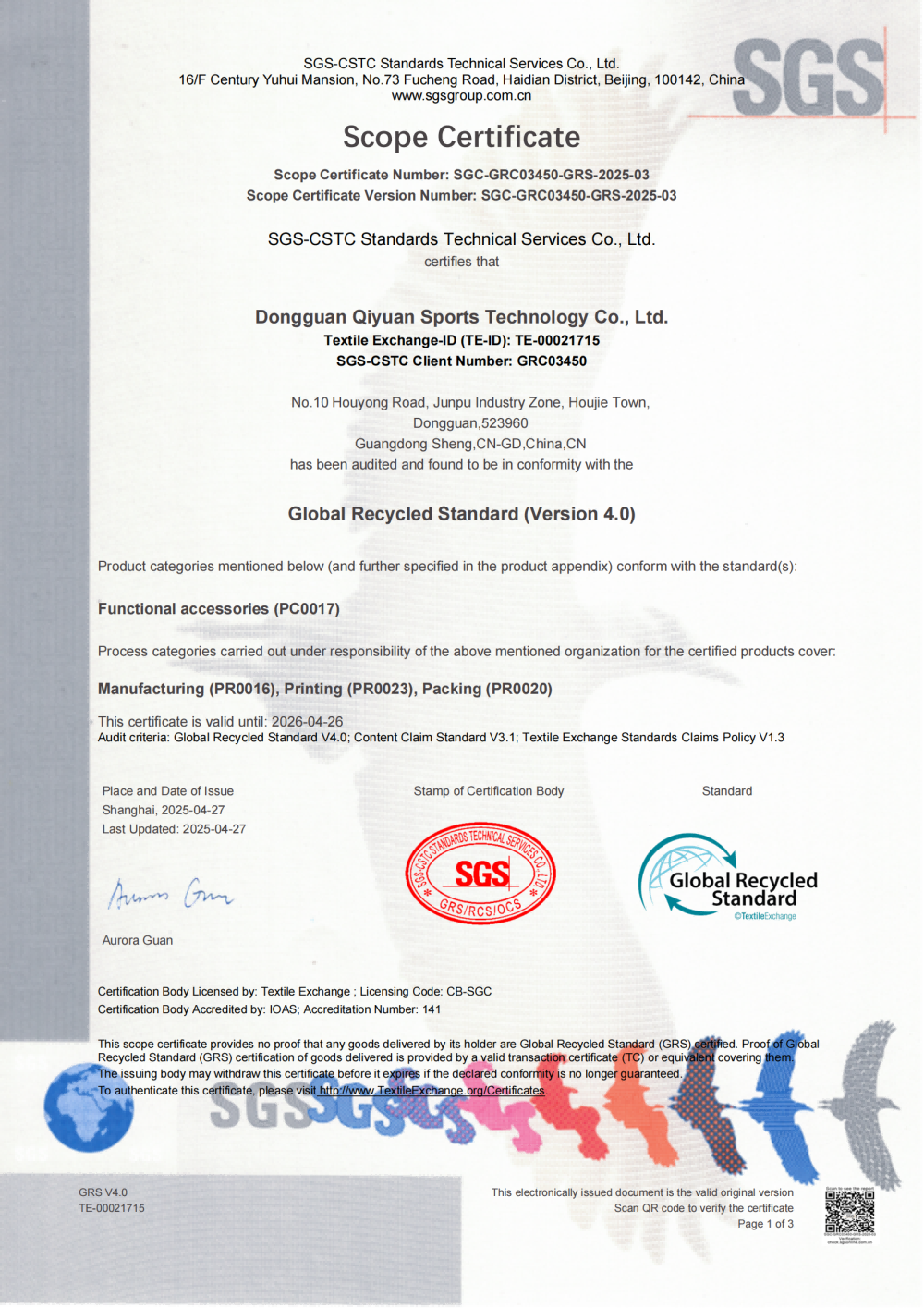
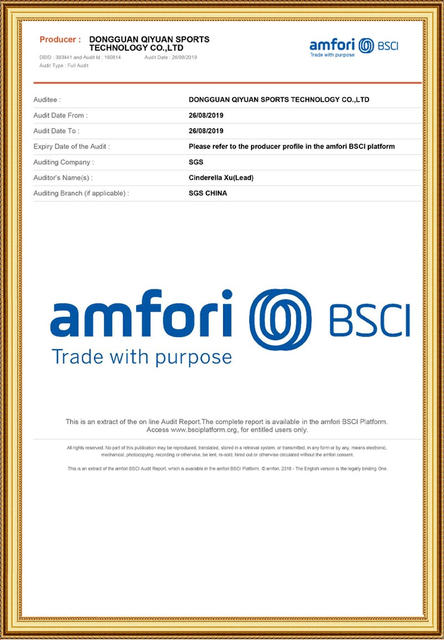
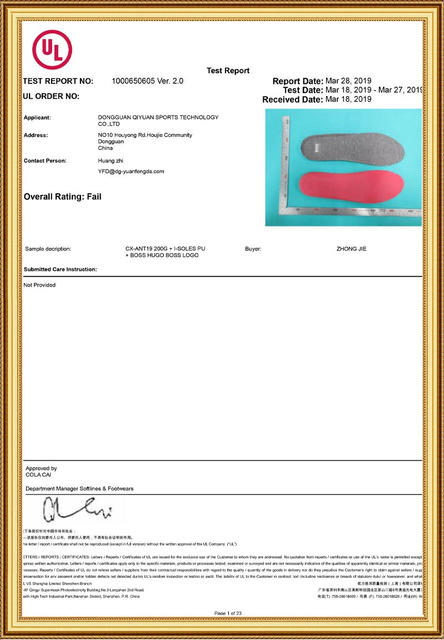
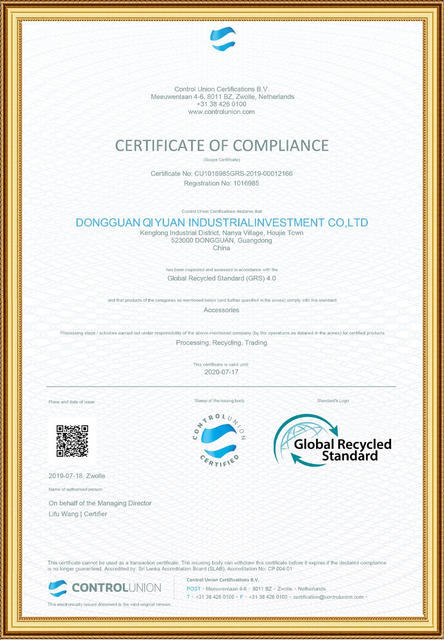
Foamwell has been approved the ISO Certificate, BSCI, GRS, and owns lots of patents for the insole invention and designs.
Complete Therapeutic & Biodegradable Insole Range
Explore our full line of orthotics, high-rebound foams, and eco-friendly foot care products.