Featured Safety & Orthotic Insoles
Engineered to meet the stringent demands of industrial safety and diabetic foot protection.
The Intersection of Diabetic Foot Care and Heavy-Duty Industrial Environments
In the modern industrial landscape, occupational safety has evolved far beyond basic protective gear. For workers managing diabetes, the hazards of heavy-duty work environments are magnified significantly. Diabetic neuropathy, peripheral arterial disease, and compromised immune responses make the feet exceptionally vulnerable to minor traumas that can quickly escalate into severe medical complications, including chronic ulceration and amputation. Heavy-duty safety footwear, while designed to protect against external impacts, punctures, and electrical hazards, often presents internal challenges—such as rigid midsoles, steel toe caps, and poor breathability—that can exacerbate diabetic foot risks. This is where specialized Diabetic Insoles For Heavy-Duty Workwear And Industrial Safety Footwear become an indispensable component of occupational health and safety.
Critical Clinical Objective
The primary goal of diabetic insoles in industrial safety footwear is to completely eliminate localized high-pressure areas (peak plantar pressures) and minimize horizontal friction (shear forces) that lead to skin breakdown, while maintaining the structural integrity and safety standards of the footwear.
Pathology of the Diabetic Foot in Heavy-Duty Settings
To design effective orthotic solutions, one must first understand the mechanical and physiological stressors at play. Workers in heavy industries—such as construction, mining, manufacturing, and oil and gas—frequently stand on hard concrete or steel surfaces for 8 to 12 hours per shift. They carry heavy loads, climb ladders, and operate heavy machinery. For a healthy worker, this leads to general fatigue. For a diabetic worker, it can be catastrophic.
Diabetic neuropathy strips away the body's natural warning system: pain. A small stone, a folded sock, or a repetitive pressure spot from a steel-toe cap goes unnoticed. Under continuous weight-bearing, this localized friction causes micro-tears in the subcutaneous tissue. Combined with poor peripheral circulation (ischemia), the body cannot repair these micro-tears, leading to rapid tissue necrosis. Furthermore, the rigid structures of safety shoes do not yield to foot deformities like Charcot foot or hammer toes, common in long-term diabetic patients. Consequently, specialized diabetic insoles must act as a dynamic interface, adapting to the foot anatomy while shielding it from the unforgiving environment of industrial safety shoes.
Technical Innovations in Material Engineering
Developing high-performance diabetic insoles for industrial applications requires a sophisticated matrix of materials. Unlike standard retail insoles, industrial-grade diabetic orthotics must balance cushioning with structural stability to prevent bottoming out under heavy loads.
1. Multi-Density Layering Systems
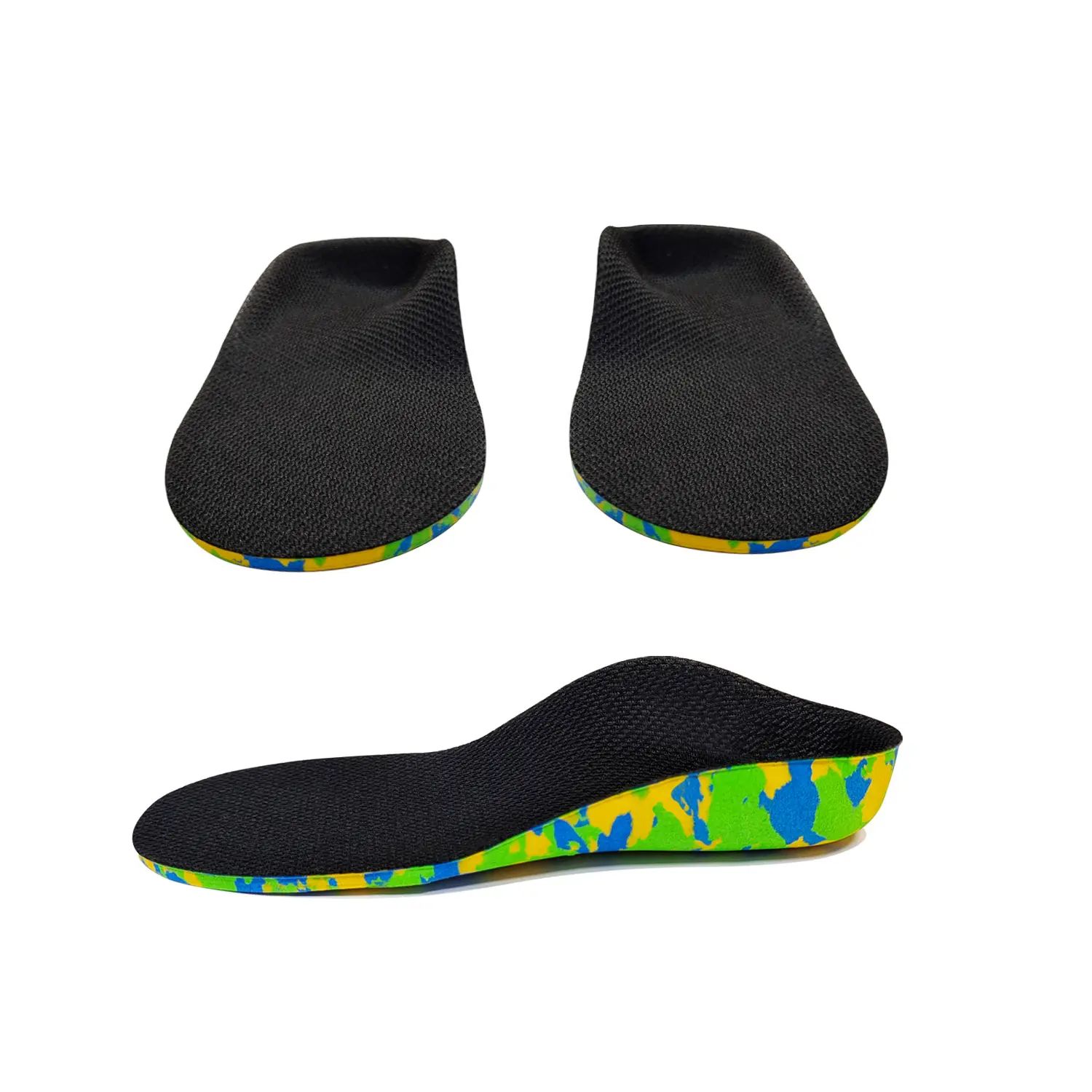
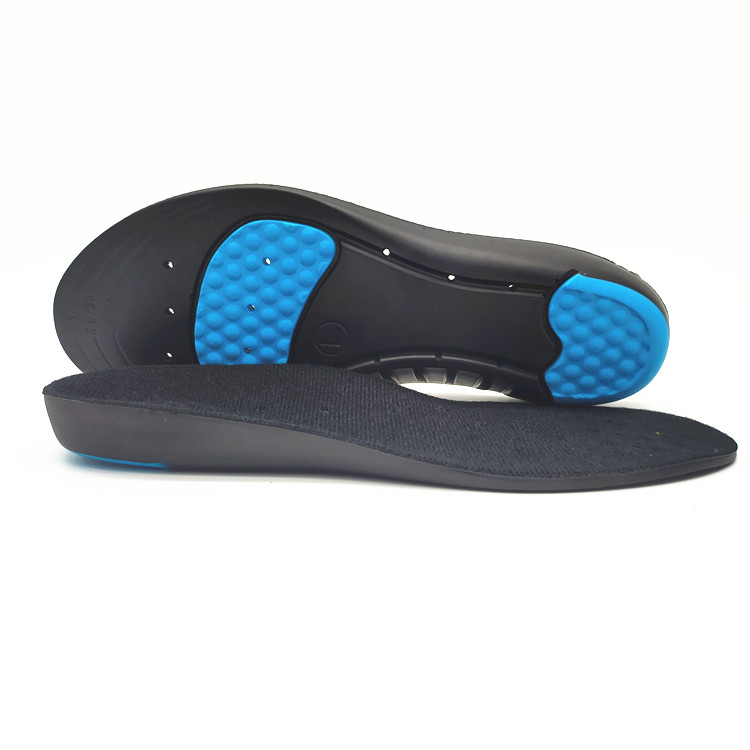

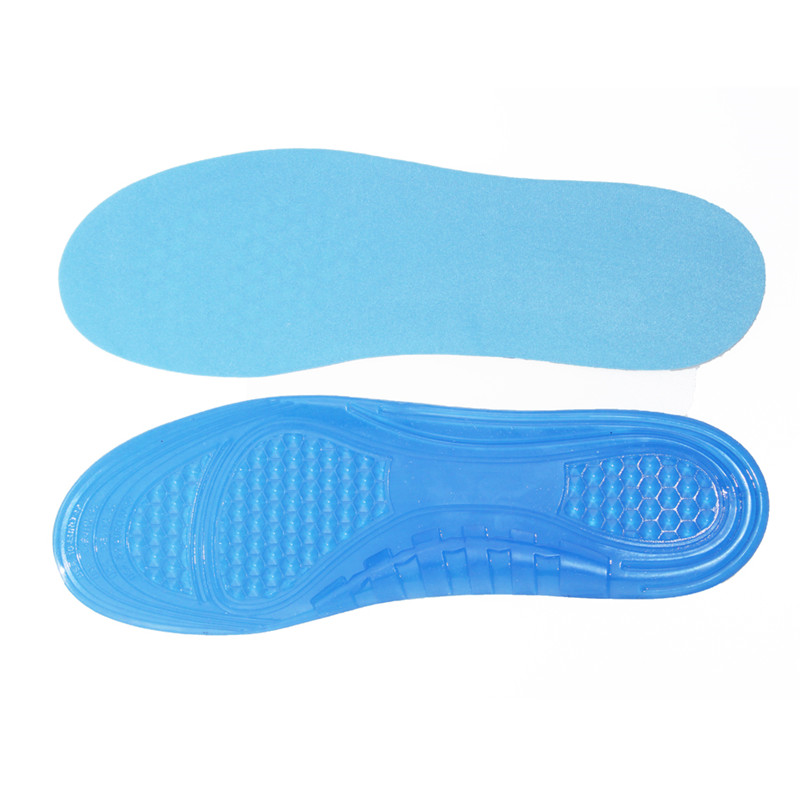
The gold standard in diabetic insole construction is a tri-laminate or dual-laminate design. The top layer, in direct contact with the foot, typically utilizes a soft, closed-cell memory foam or plastazote. Plastazote is highly regarded in podiatry because it is thermoformable, allowing it to mold to the unique contours of the foot, thereby distributing pressure evenly. The middle layer is engineered from high-resilience PU (Polyurethane) foam or Poron, which absorbs the shock of repetitive heel strikes. The base layer consists of a high-density EVA (Ethylene-Vinyl Acetate) or rigid structural foam that maintains the arch profile and prevents the insole from collapsing under the weight of heavy-duty workwear.
2. Electrostatic Discharge (ESD) and Anti-Static Integration
In many industrial settings, particularly electronics manufacturing, chemical processing, and aerospace assembly, static electricity poses a severe threat of ignition or equipment damage. Standard orthotics can insulate the worker, blocking the path to ground. Advanced industrial diabetic insoles must incorporate conductive threads or carbon-infused PU foams. This ensures that while the worker receives maximum orthotic protection, the footwear remains compliant with ESD standards (such as ANSI/ESD S20.20), safely dissipating static charges through the shoe sole to the ground.
3. Advanced Moisture and Thermal Management
Fungal and bacterial infections thrive in warm, damp environments. Safety boots, by nature of their heavy leather or synthetic construction, trap moisture. For diabetic individuals, a minor fungal infection (like athlete's foot) can break the skin barrier, opening a gateway for severe bacterial infections. Modern industrial diabetic insoles combat this by utilizing silver-ion antimicrobial top covers, nanoscale deodorization technologies, and highly breathable open-cell foams that actively wick moisture away from the skin, maintaining a dry, cool microclimate inside the boot.
Industrial Trends: The Shift Toward Proactive Wellness
Globally, industrial corporations are shifting their focus from reactive injury management to proactive employee wellness programs. The economic impact of diabetic foot complications is staggering. In the United States alone, the direct cost of treating diabetic foot ulcers ranges from $9,000 to $30,000 per episode, with costs escalating dramatically if amputation is required. For employers, this translates to skyrocketing insurance premiums, lost productivity, and the loss of highly skilled labor.
By integrating customized or high-spec diabetic insoles directly into the procurement cycle of company-issued safety footwear, enterprises are realizing substantial returns on investment (ROI). Safety managers are collaborating with industrial podiatrists to establish mandatory foot health assessments and provide tailored orthotic inserts to workers identified as high-risk. This preventative approach is rapidly becoming a benchmark in corporate social responsibility (CSR) and occupational safety guidelines worldwide.
Deep-Dive Application Scenarios
Scenario A: Heavy Construction and Civil Engineering
On construction sites, workers traverse highly uneven, rocky terrain while carrying heavy tools and structural components. The mechanical demands on the feet are extreme. A diabetic worker in this environment faces constant lateral shear forces within their boots. Insoles designed for this scenario require reinforced deep heel cups to stabilize the calcaneus and prevent lateral sliding. They must also feature high-rebound shock absorption zones under the metatarsal heads to cushion the foot during heavy lifting and climbing.
Scenario B: Chemical and Petrochemical Processing Plants
Workers in petrochemical plants spend long hours on metal grating and concrete walkways, exposed to potential chemical spills and high ambient temperatures. Here, the safety footwear must be chemical-resistant and static-dissipative. The diabetic insoles used in these environments must not only be ESD-compliant but also constructed from chemically inert, closed-cell materials that will not degrade or absorb volatile organic compounds (VOCs) if exposed. Thermal insulation is also critical to protect the desensitized diabetic foot from extreme hot or cold sub-floors.
Scenario C: Automated Logistics and Warehousing
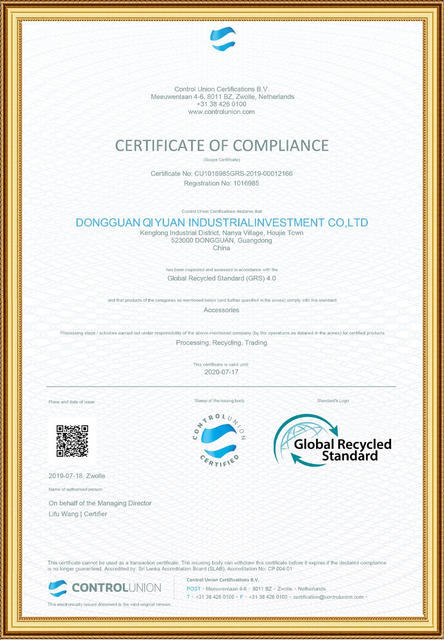
The rise of e-commerce has created mega-warehouses where picking and packing staff walk upwards of 20,000 steps a day on hard concrete. For a diabetic worker, this high step count creates repetitive low-stress impacts that can lead to micro-fractures and pressure ulcers. The ideal insole for this scenario focuses on maximum energy return and continuous pressure redistribution. Utilizing lightweight, eco-friendly materials like USDA Certified Bloom Algae EVA or GRS Recycled PU foam allows for long-term cushioning without adding unnecessary weight to the safety shoe, thereby reducing muscle fatigue and plantar strain over long shifts.
We Are Around Everywhere You Need Us To Be!
Global Factory Presence
Foamwell is registered in Hong Kong with production facilities in China, Vietnam and Indonesia, specializing in the development and manufacturing of sustainable environmentally friendly PU Foam, Memory Foam, Patent Polylite Elastic Foam, Polymer Latex; Foamwell also focuses on the development and manufacturing of EVA, PU, LATEX, TPE, PORON, POLYLITE, Supercritical Foaming insoles, PU Orthotic insole, Customized insoles, Heightening insoles, High-tech insoles, and products for foot care. Foamwell excels in innovating increases of comfort, shock absorption, breathability, high resilience, orthotic treatments, nanoscale deodorization, silver ion antibacterial, ESD, and Bio elements.
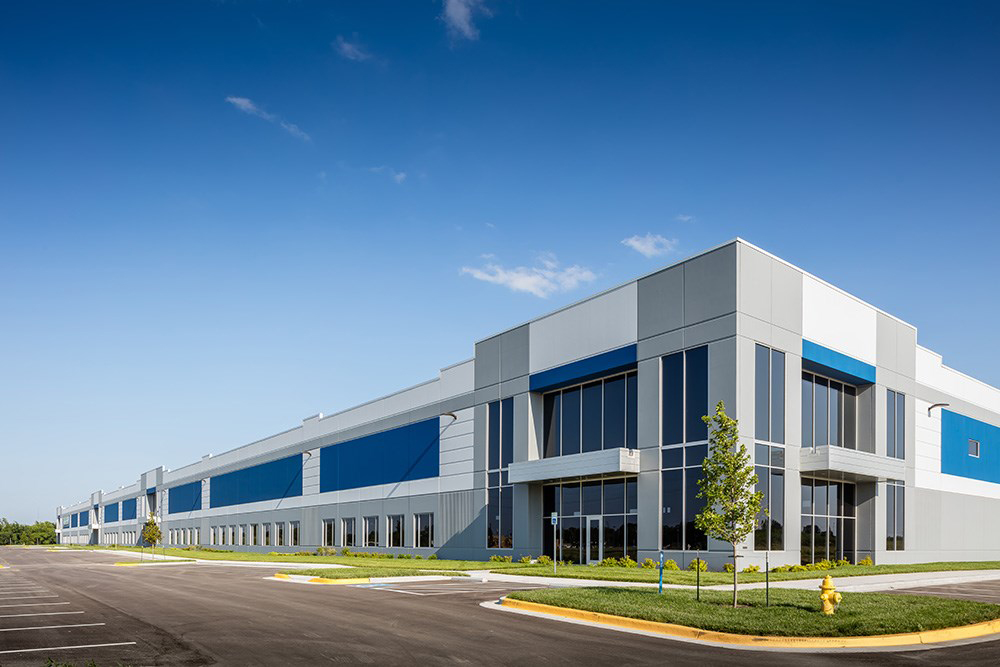
Our vision is to customize and produce products for foot health with incomparable comfort and high performance for every customer.
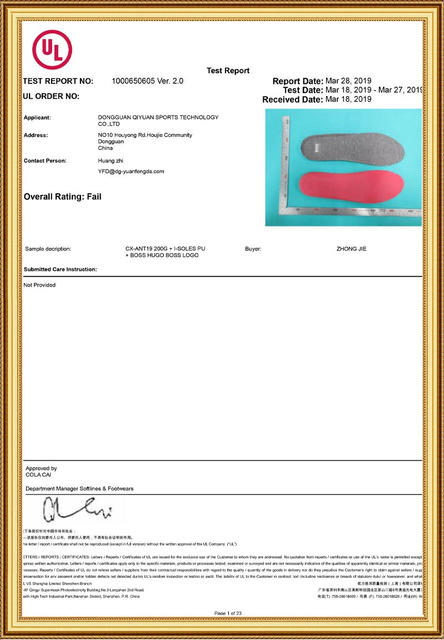
Foamwell in-house Testing Laboratory plays a key role in our company’s business. It is formed by a group of specialists to ensure the quality standard for each product from incoming material to ready-to-ship process, to provide customers with the very best product.
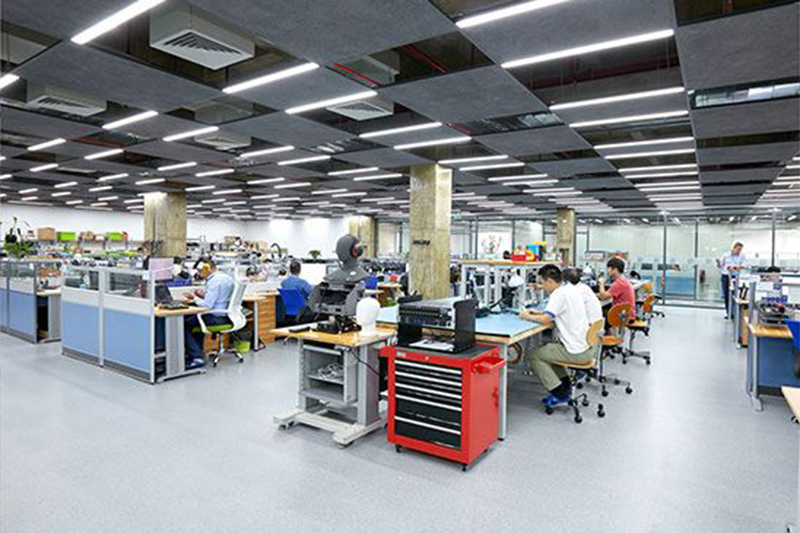
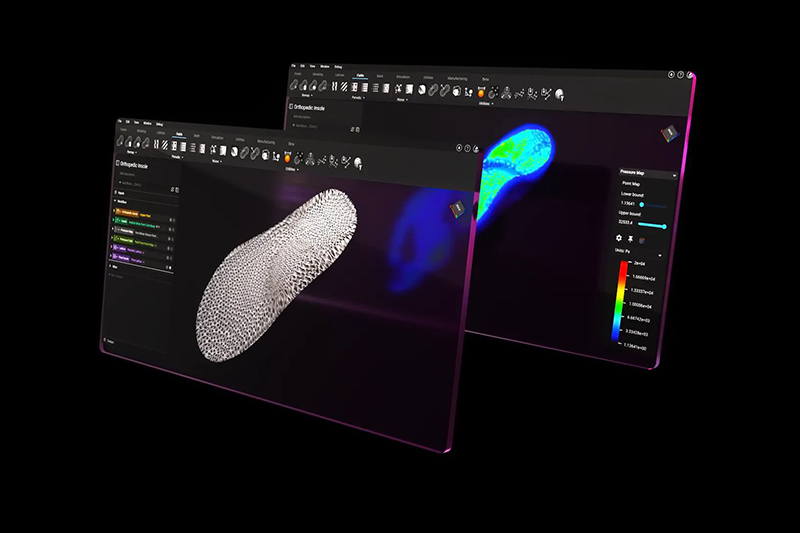
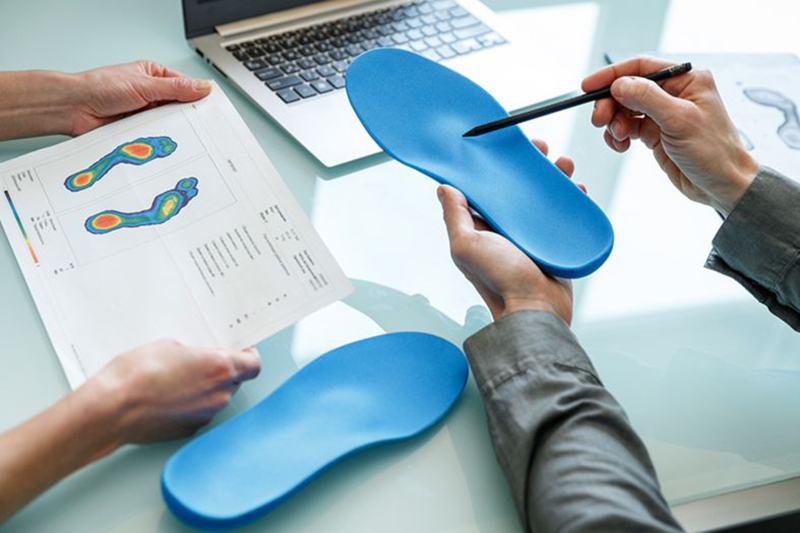
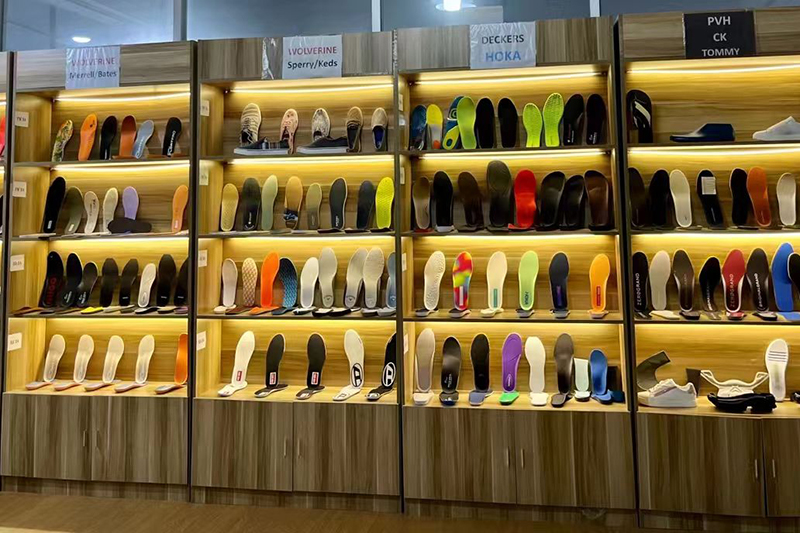
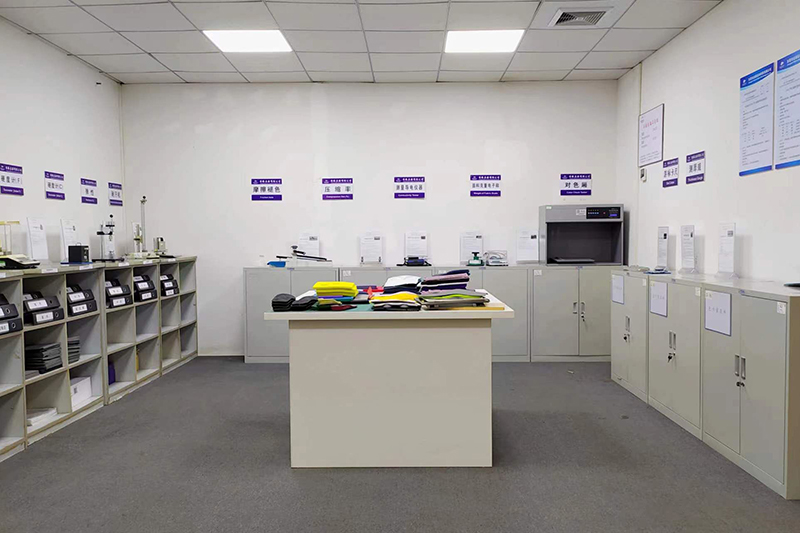
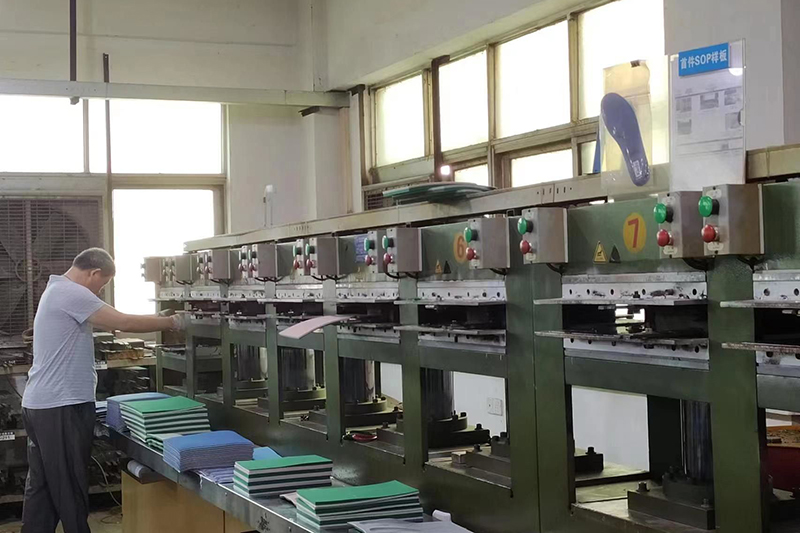
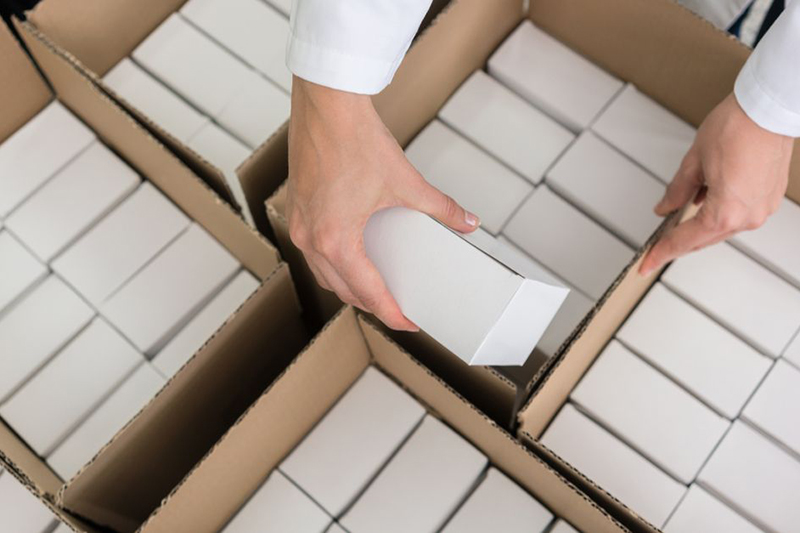
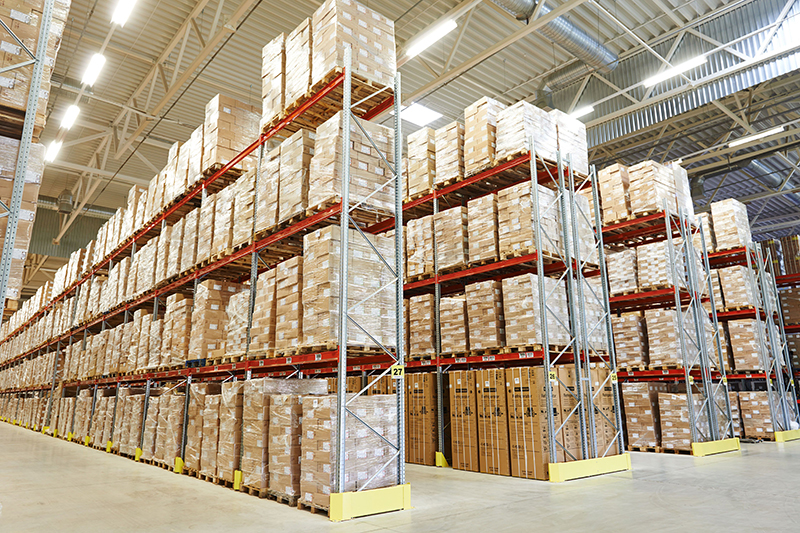
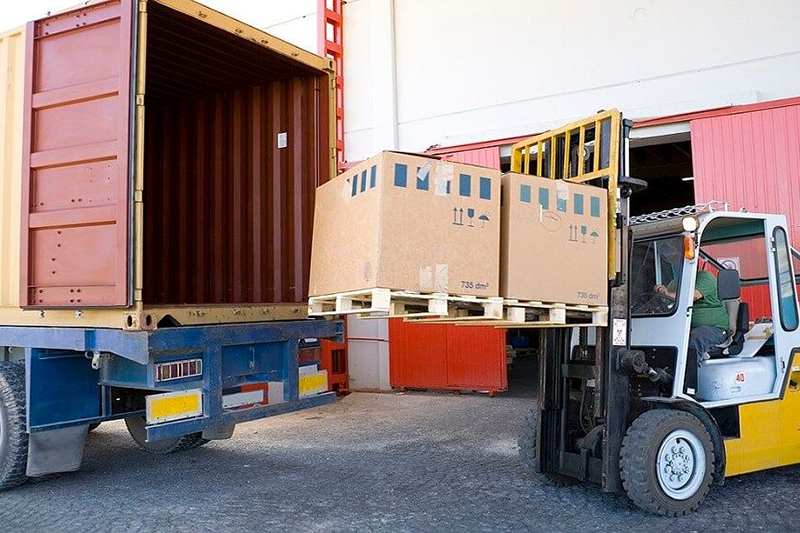
Continuous innovation, global reach, and uncompromising quality standards in safety and orthotic footcare.
Over 15 years experiences. Deep domain expertise in foot biomechanics, material engineering, and industrial safety standards.
Expert in R&D and manufacturing of insoles. In-house research laboratories and custom formulation development for global safety brands.
Committed to quality. Rigorous multi-stage inspections ensuring that every batch meets specific biomedical and mechanical tolerances.
Pride to be the approved supplier for world’s leading footwear and insole brands. Constantly perfect the quality standard to ensure each product is with no claims.
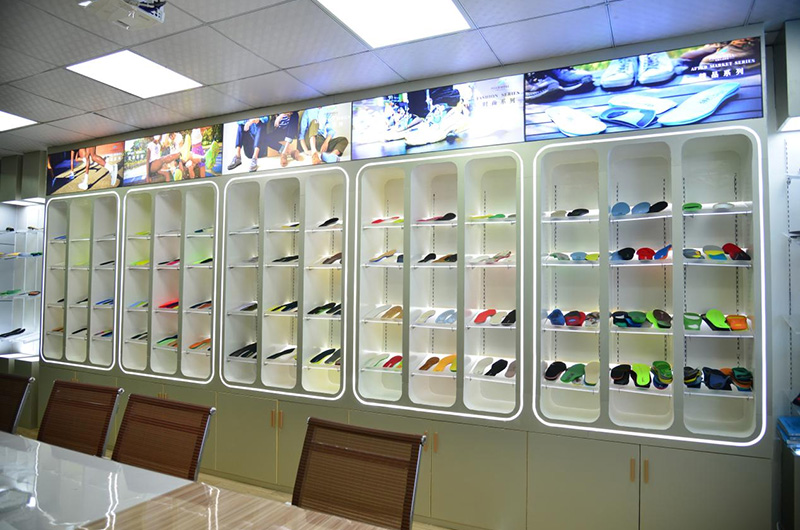
Combining speed, cost efficiency, and ecological responsibility to deliver market-leading foot health solutions.
Time Effectiveness
3-5 days for design, 5-7 days for samples, 30-35 days for bulk order delivery.
Cost Effectiveness
With production facilities in China, Vietnam, and Indonesia for local delivery and service to minimize the cost.
Environmental Friendly
Processed with recycled/bio-based materials and energy-efficient production methods to minimize carbon footprint.
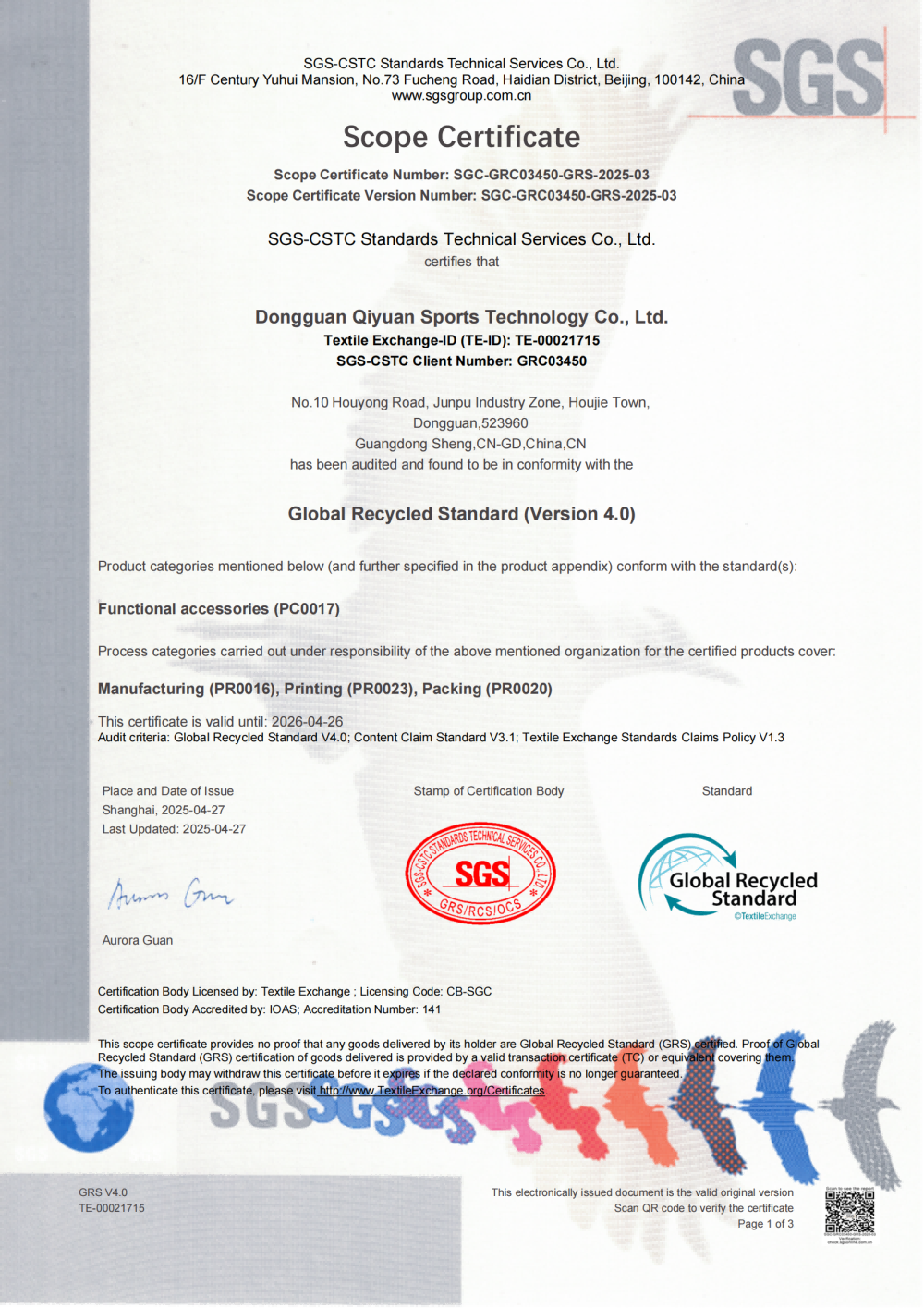
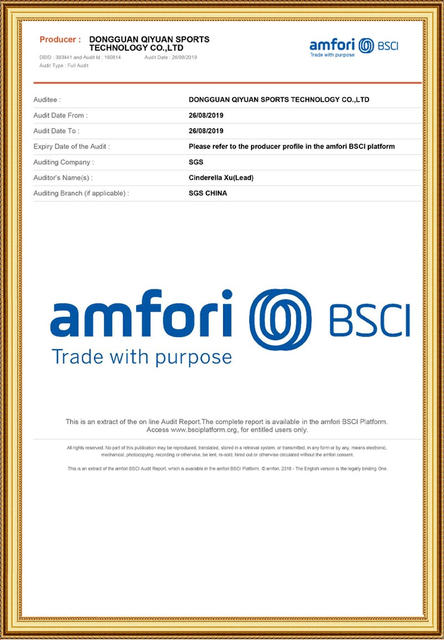
Foamwell has been approved the ISO Certificate, BSCI, GRS, and owns lots of patents for the insole invention and designs.
Complete Product Catalog
Explore our full range of high-performance orthopedic and safety insoles.