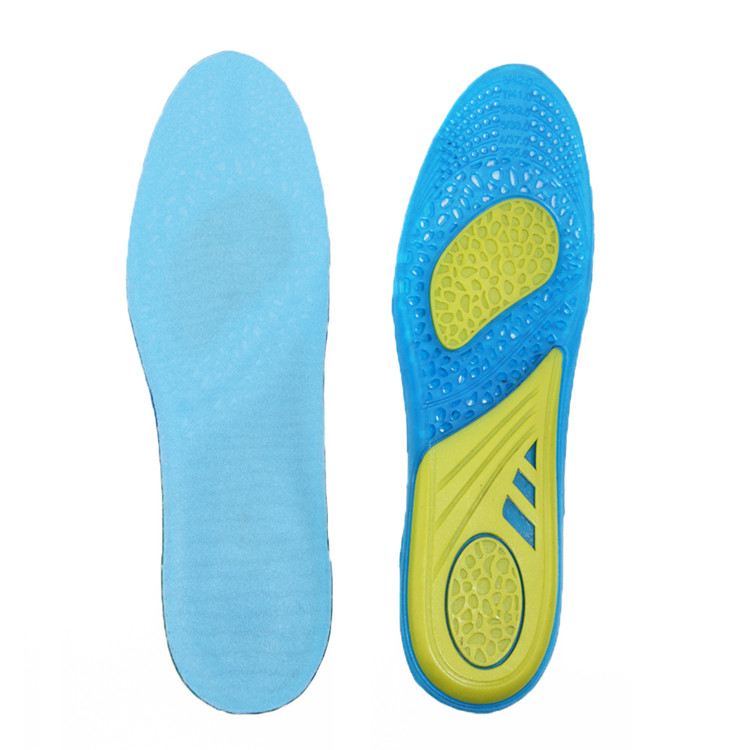
Featured Performance Insoles for Long-Distance Training
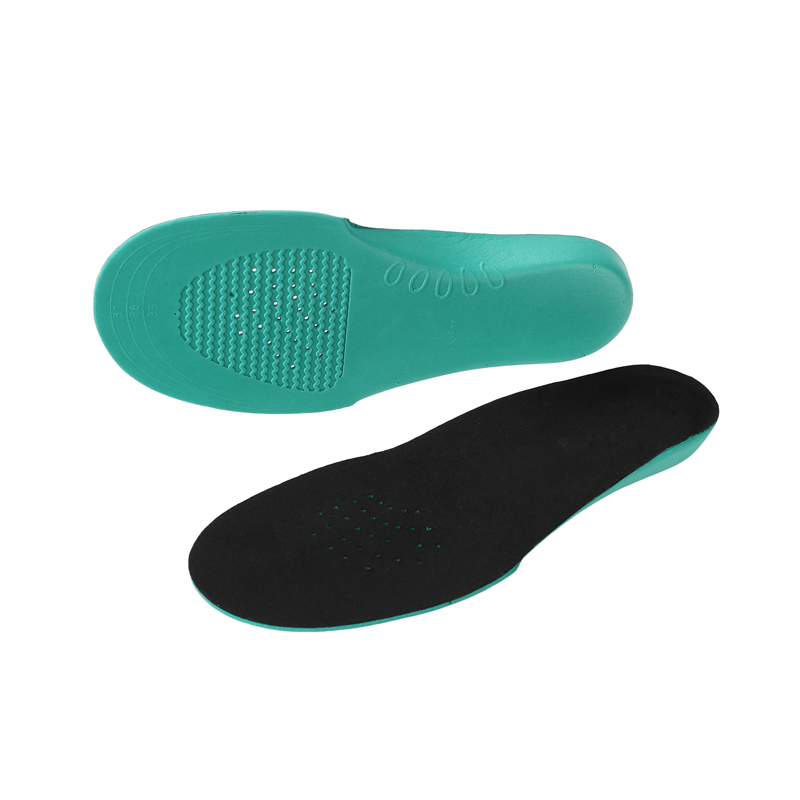
Foamwell Kids Orthotic Insole for Active Youth Running
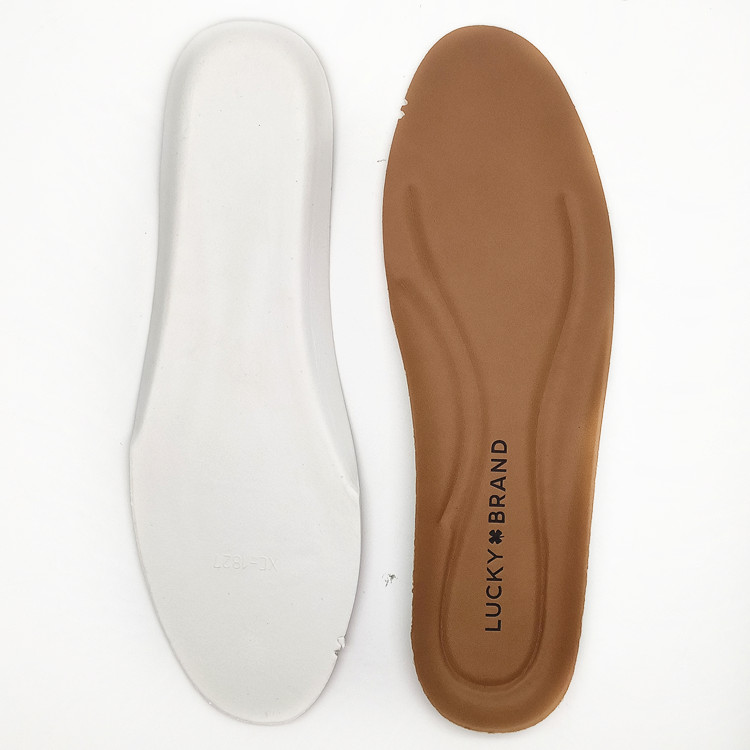
Foamwell Leather Comfort Durable EVA Marathon Insole
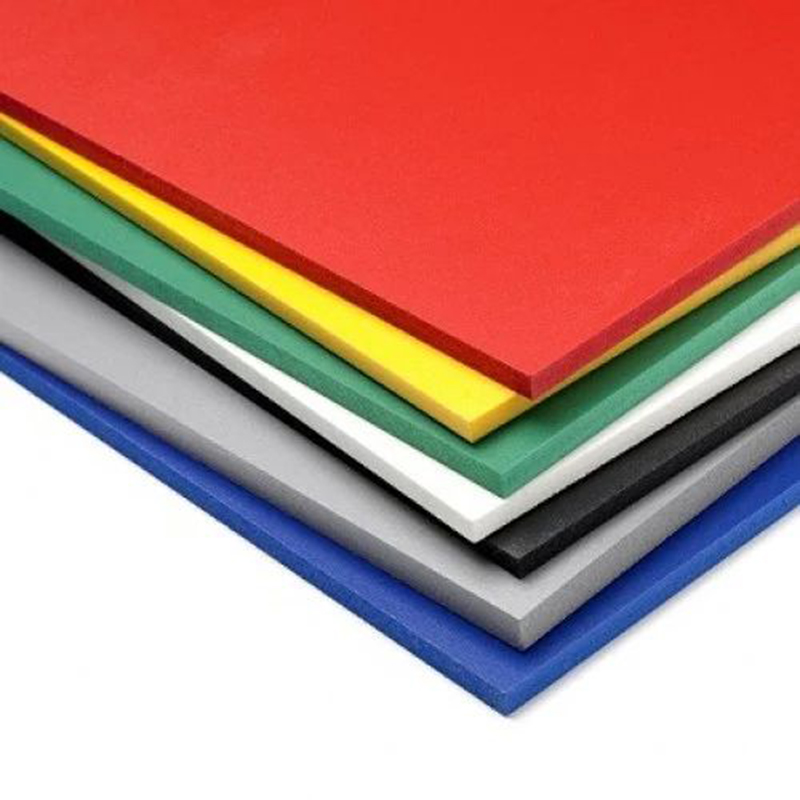
Eco-Friendly 360° Breathable PU Foam Diabetic Running Insole
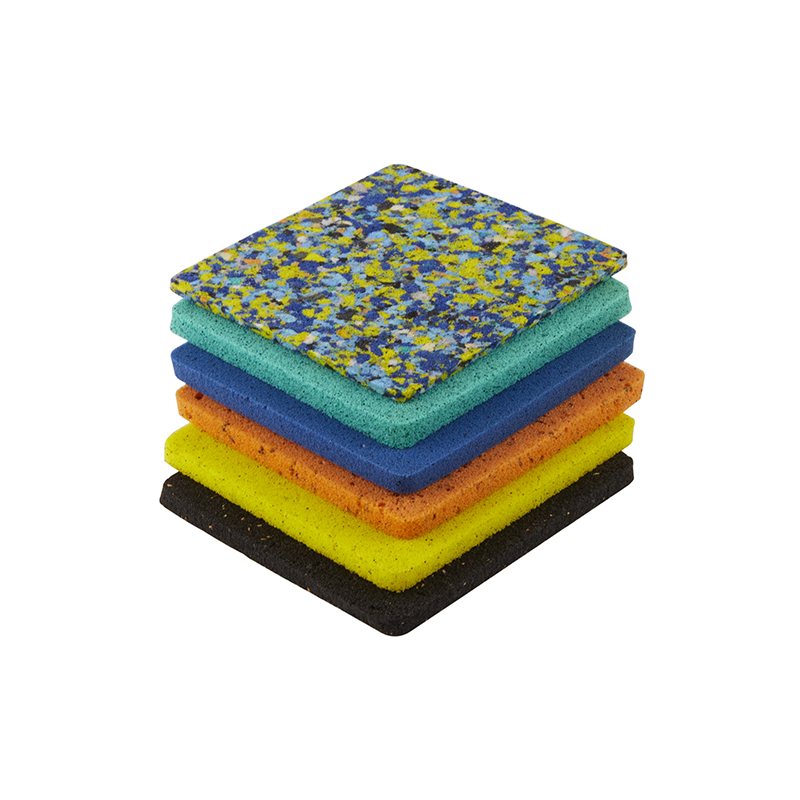
Polylite® GRS Sustainable Recycled Foam 525 Marathon Insole
The Intersection of Diabetes and Marathon Training
Long-distance running demands an extraordinary level of physical conditioning, mental resilience, and physiological adaptation. For athletes living with diabetes, this challenge is compounded by complex biomechanical and metabolic considerations. Running a marathon involves executing approximately 30,000 to 45,000 steps, with each foot strike exerting a force of three to four times the runner's body weight. For a diabetic runner, this repetitive stress presents a heightened risk profile due to potential complications such as peripheral neuropathy, peripheral arterial disease (PAD), and compromised microvascular circulation.
Peripheral neuropathy can diminish sensory feedback from the feet, meaning minor irritations, hot spots, or micro-traumas go unnoticed. Over 42.195 kilometers, a small pebble, a rough seam, or a localized pressure spike can quickly escalate from a minor blister into a severe diabetic foot ulcer. Consequently, the selection of footwear and, crucially, specialized diabetic insoles for marathon training is not merely a matter of comfort or performance enhancement; it is a critical preventative intervention.
Key Physiological Challenges:
Biomechanical Demands of Long-Distance Running for Diabetic Athletes
To understand the necessity of specialized diabetic insoles in long-distance running footwear, one must examine the specific biomechanical challenges faced by diabetic runners. The primary concern is the prevention of plantar ulcers, which typically develop at sites of high mechanical stress, particularly under the metatarsal heads (MTHs) and the heel.
During a long-distance run, the foot undergoes prolonged cyclic loading. In diabetic individuals, tissue changes can lead to stiffening of the plantar soft tissues, reducing their natural shock-absorbing capacity. Additionally, limited joint mobility, particularly in the first metatarsophalangeal joint, alters gait kinematics, leading to elevated peak plantar pressures and increased shear forces.
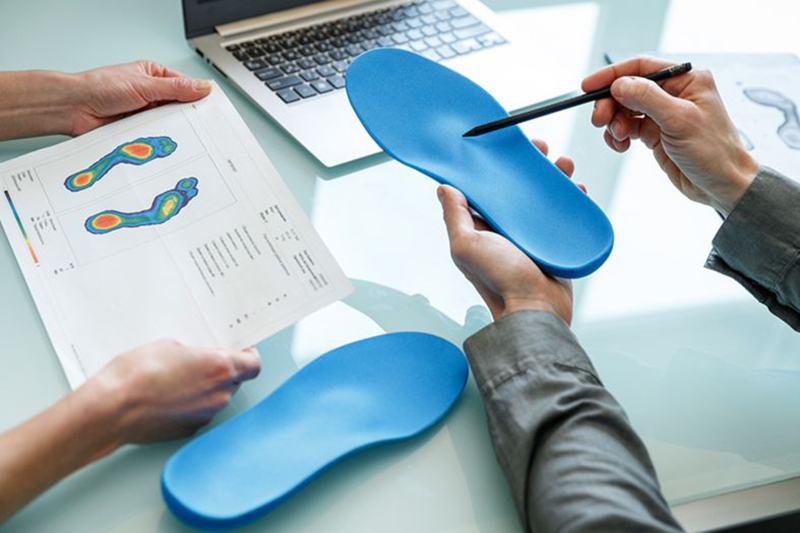
Shear force is the horizontal component of the stress applied to the skin and subcutaneous tissues during the gait cycle, specifically during the heel-strike and toe-off phases. While vertical pressure causes compression, shear stress causes tissue displacement and micro-tears within the deep tissue layers. In the presence of sensory loss, these micro-tears can lead to sterile inflammatory responses, autolysis, and eventually, ulceration. Specialized diabetic insoles are designed to mitigate these forces by redistributing vertical pressure over a larger surface area (offloading) and absorbing shear stresses through low-friction top covers and multi-density foam laminates.
We Are Around Everywhere You Need Us To Be!
Global Factory Network
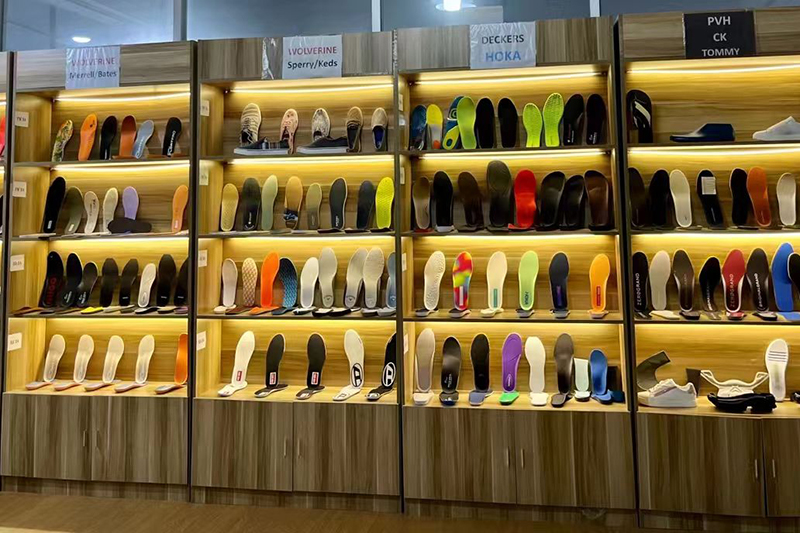
Foamwell is registered in Hong Kong with production facilities in China, Vietnam and Indonesia, specializing in the development and manufacturing of sustainable environmentally friendly PU Foam, Memory Foam, Patent Polylite Elastic Foam, Polymer Latex; Foamwell also focuses on the development and manufacturing of EVA,PU, LATEX,TPE, PORON, POLYLITE, Supercritical Foaming insoles, PU Orthotic insole, Customized insoles, Heightening insoles, High-tech insoles, and products for foot care.
Foamwell excels in innovating increases of comfort, shock absorption, breathability, high resilience, orthotic treatments, nanoscale deodorization, silver ion antibacterial, ESD, and Bio elements.

Industrial Landscape & Material Science Innovations in Diabetic Orthotics
The global orthotic insole market is experiencing a significant transformation, driven by an aging population, rising incidences of diabetes, and a growing global emphasis on active lifestyles. According to industry reports, the demand for specialized diabetic orthotics is expanding rapidly, with a shift toward high-performance, sports-compatible solutions.
Historically, diabetic insoles were thick, bulky, and designed primarily for therapeutic, low-activity footwear. However, the modern diabetic athlete demands low-profile, lightweight, and highly responsive insoles that fit into technical running shoes without compromising the shoe's stability or adding excessive weight.
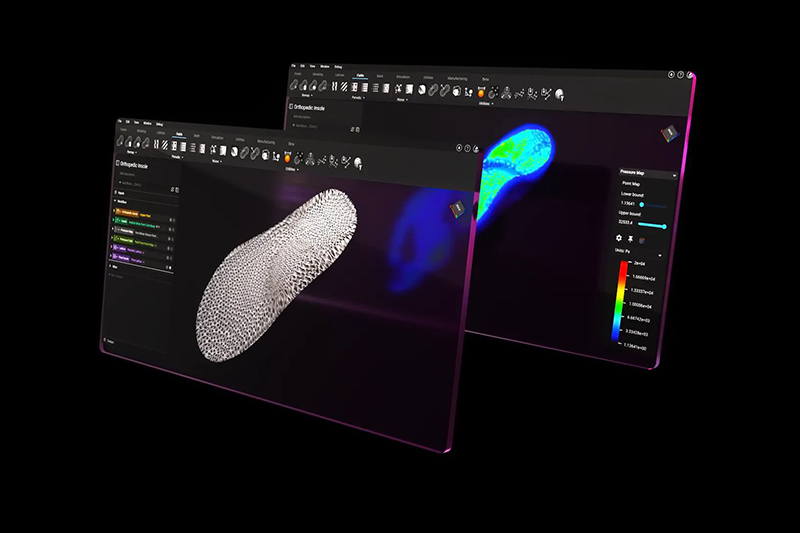
This demand has catalyzed a convergence between the medical orthotics industry and the high-performance sports footwear sector. Manufacturers are leveraging advanced computational design, 3D printing (additive manufacturing), and sensor-integrated smart technologies to create next-generation insoles. Smart insoles equipped with flexible pressure sensors can now monitor plantar pressure distribution in real-time during training runs, transmitting data to a smartphone or smartwatch to alert the runner of potential pressure spikes before tissue damage occurs. Furthermore, sustainability has become a key driver in the industry, with brands seeking eco-friendly, bio-based, and recycled foam formulations to meet consumer expectations and reduce carbon footprints.
Quality Control & In-House Testing Laboratory
Our vision is to customize and produce products for foot health with incomparable comfort and high performance for every customer.
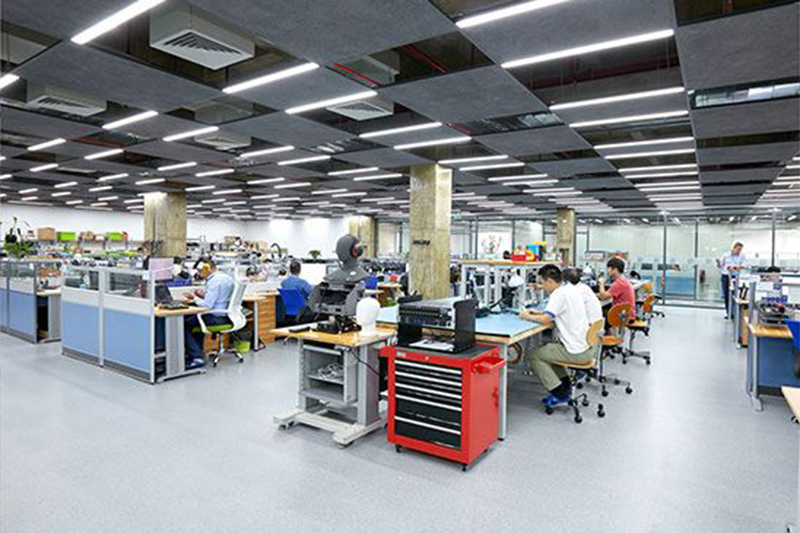
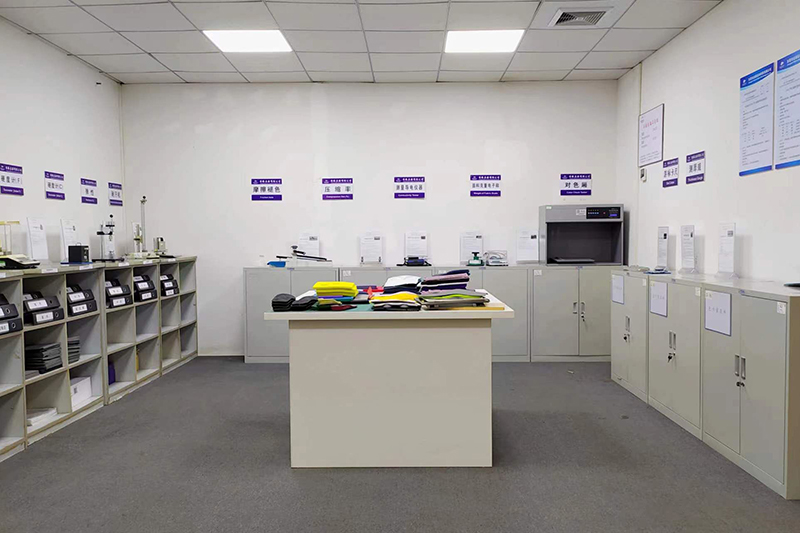
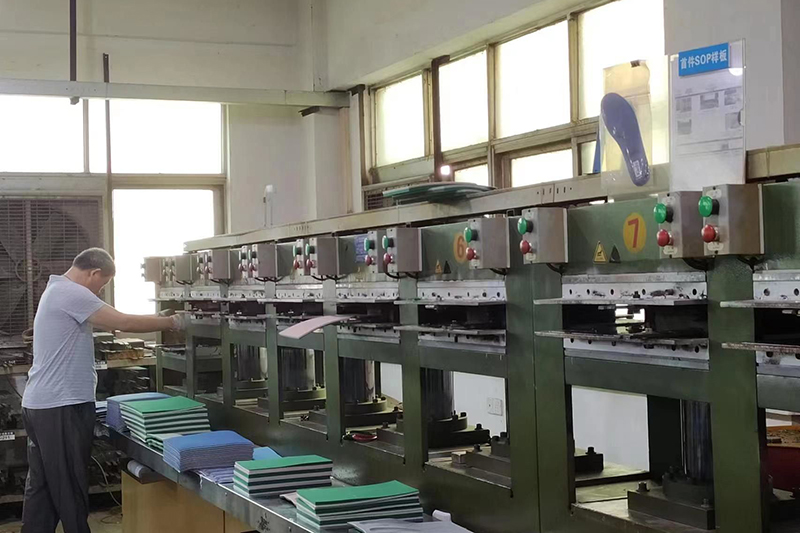
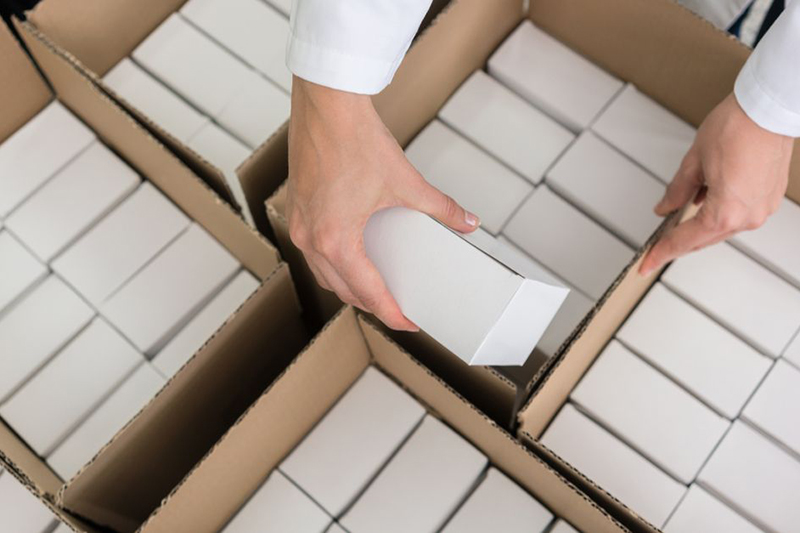
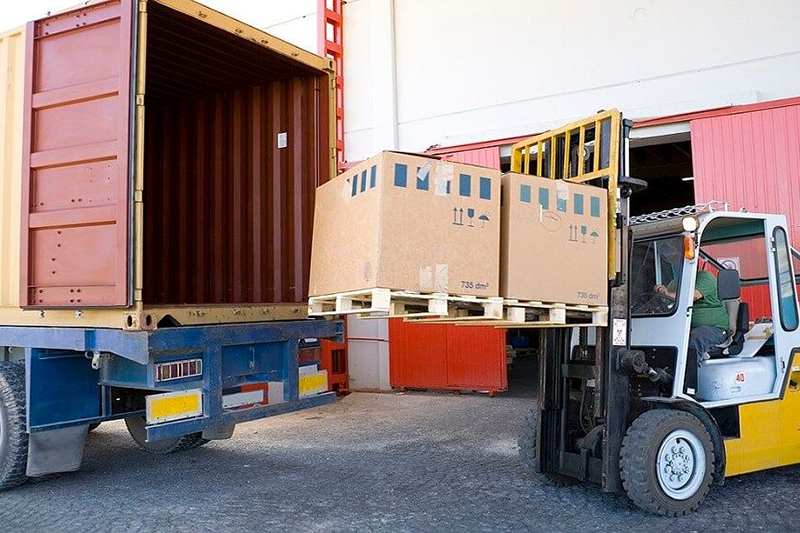
Foamwell in-house Testing Laboratory plays a key role in our company’s business. It is formed by a group of specialists to ensure the quality standard for each product from incoming material to ready-to-ship process, to provide customers with the very best product.

Material Science: The Foundation of Diabetic Running Insoles
The performance of a diabetic running insole is fundamentally determined by its material composition. Modern high-performance insoles utilize multi-layered, multi-density designs to balance the conflicting requirements of soft cushioning (for pressure redistribution) and structural support (for stability and energy return).
PU & Memory Foam
Open-cell PU foams are highly valued for their excellent breathability and long-term compression set resistance. Unlike traditional foams that collapse under repetitive loading, advanced PU foams maintain their cushioning properties over hundreds of kilometers, ensuring consistent shock absorption throughout a marathon.
Polylite® Elastic Foam
This patented material represents a major leap in elastic recovery and energy return. For marathon runners, energy efficiency is crucial. Polylite® provides the spring-like rebound necessary to reduce fatigue while maintaining a stable, supportive interface that prevents the foot from bottoming out.
TPE Gel & EVA
Thermoplastic Elastomer (TPE) gels excel in localized shock absorption and shear reduction. Placed strategically under the heel and metatarsal heads, TPE gel inserts absorb the high-velocity impact forces of running, protecting vulnerable bony prominences. High-durability EVA forms the supportive chassis.
Foamwell Advantages
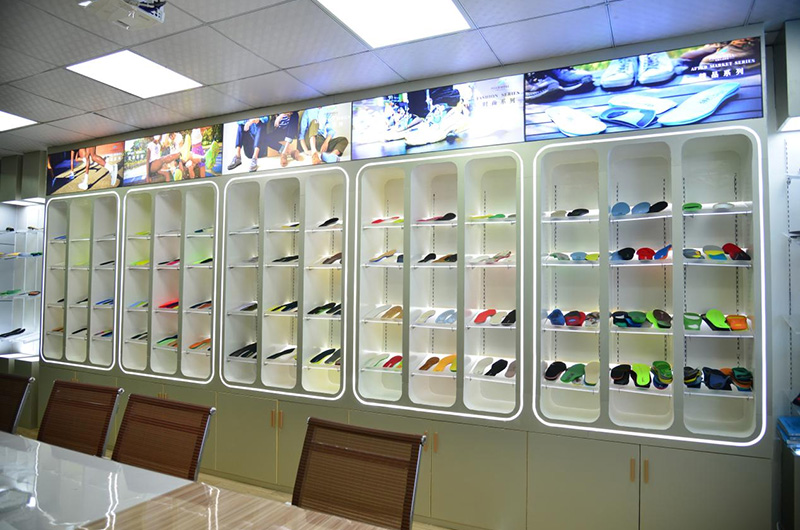
Our vision is to customize and produce products for foot health with incomparable comfort and high performance for every customer.
Experience
Over 15 years experiences.
Expertise
Expert in R&D and manufacturing of insoles.
Commitment
Committed to quality
Global Supplier
Pride to be the approved supplier for world's leading footwear and insole brands, constantly perfect the quality standard to ensure each product is with no claims.
Advanced Structural Design Features for Marathon Footwear
An effective diabetic running insole must incorporate specific structural design elements to ensure safety and enhance performance:
1. Arch Support
By conforming precisely to the runner's arch, the insole increases the weight-bearing surface area, effectively shifting pressure away from the high-risk metatarsal heads and heel.
2. Deep Heel Cup
A deep, rigid heel cup stabilizes the calcaneus, preventing excessive pronation or supination. This motion control reduces lateral shearing forces and keeps the foot aligned.
3. Metatarsal Pad
A subtle elevation behind the metatarsal heads helps to restore the transverse arch of the foot, opening up the joint spaces and reducing localized pressure on the ball of the foot.
4. Low-Friction Cover
The interface between the sock and the insole must minimize friction. Smooth, moisture-wicking fabrics reduce the risk of blister formation, which is the precursor to diabetic foot complications.
Why Choose Us
Our vision is to customize and produce products for foot health with incomparable comfort and high performance for every customer.
Time Effectiveness
3-5 days for design, 5-7 days for samples, 30-35 days for bulk order delivery.
Cost Effectiveness
With production facility in China, Vietnam, Indonesia for local delivery and service to minimize the cost.
Environmental Friendly
Process with recycled/bio-based material and energy-efficient production method to minimize carbon footprint.
Certificates & Patents
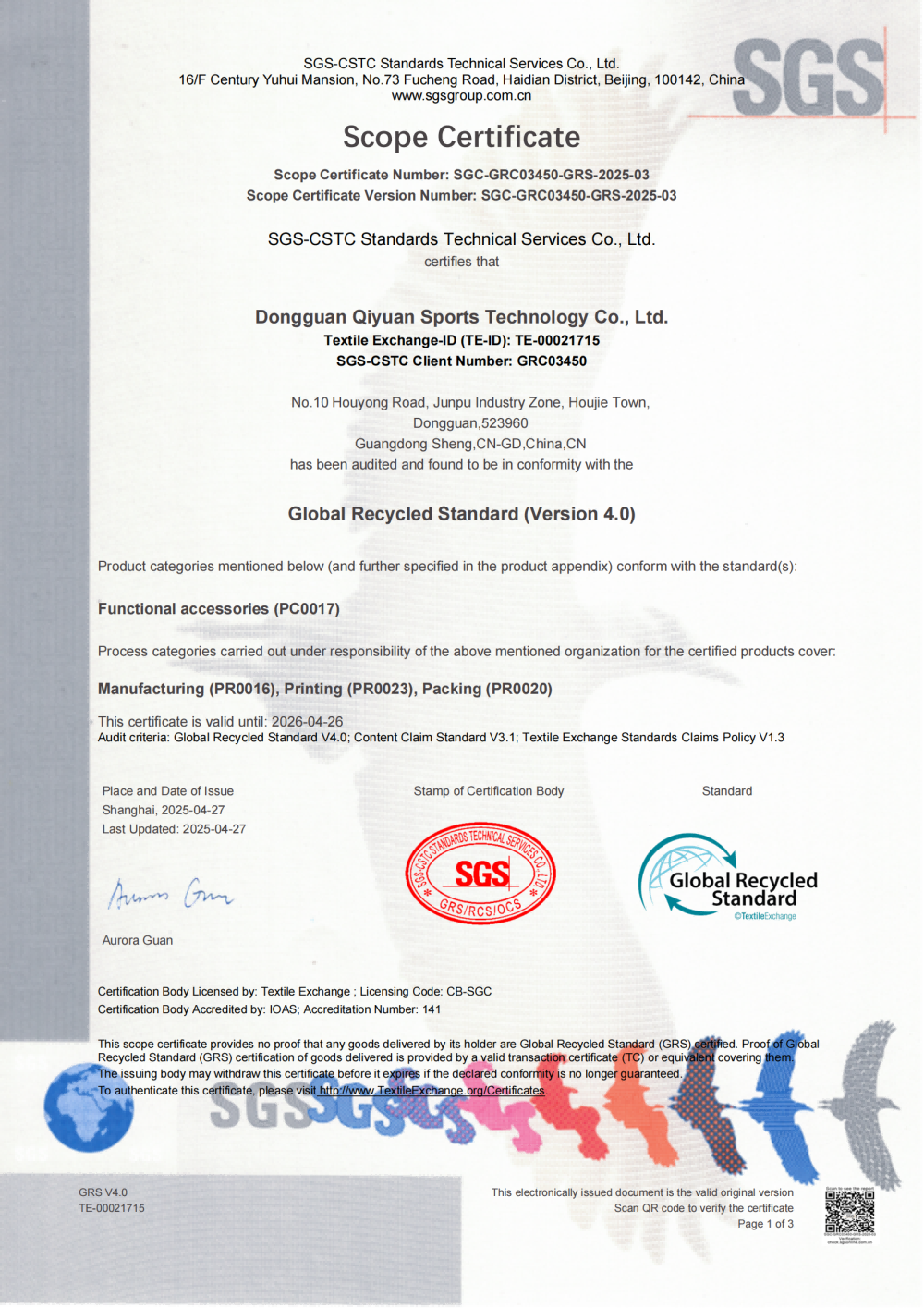
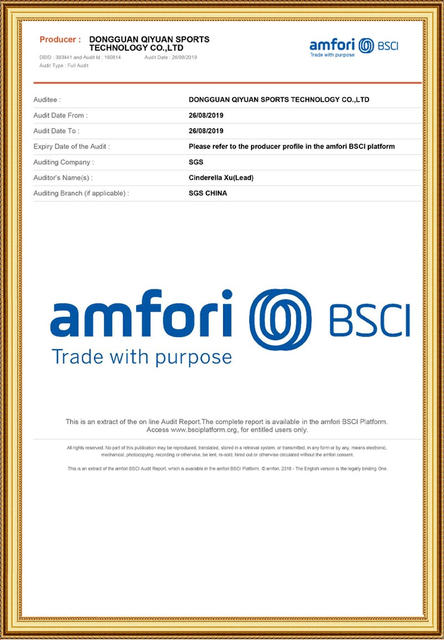
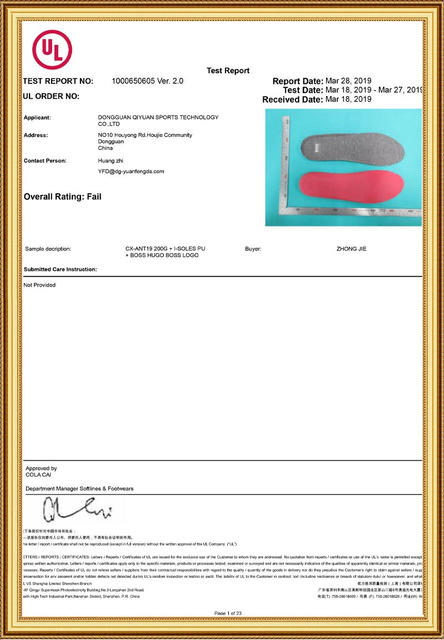
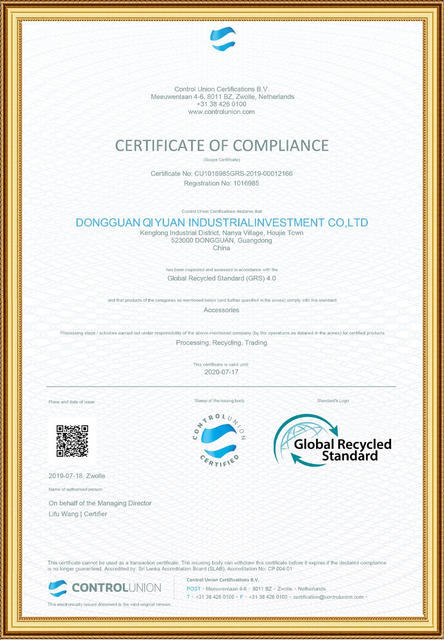
Foamwell has been approved the ISO Certificate, BSCI, GRS, and owns lots of patents for the insole invention and designs.
Future Outlook: The Intersection of AI, Customization, and Sustainability
The future of diabetic running insoles lies in the fusion of sustainability, artificial intelligence, and extreme personalization. As environmental concerns grow, the transition toward GRS (Global Recycled Standard) certified materials and bio-based foams will accelerate. Foamwell’s commitment to utilizing recycled/bio-based materials and energy-efficient production methods aligns perfectly with this trend, helping brands minimize their carbon footprint.
Moreover, AI-driven design algorithms will allow for the rapid creation of customized insoles based on dynamic gait analysis data. Runners will be able to perform a mobile scan of their feet, and AI will generate an optimized density map for 3D printing a custom insole tailored to their specific biomechanical needs and diabetic risk profile. Through continuous innovation, the next decade will see diabetic runners breaking new barriers, supported by footwear technology that guarantees safety, sustainability, and peak performance.
Full Product Portfolio for Specialized Footwear Solutions
Foamwell Kids Orthotic Insole for Active Youth Running
Foamwell Leather Comfort Durable EVA Marathon Insole
Eco-Friendly 360° Breathable PU Foam Diabetic Running Insole
Polylite® GRS Sustainable Recycled Foam 525 Marathon Insole
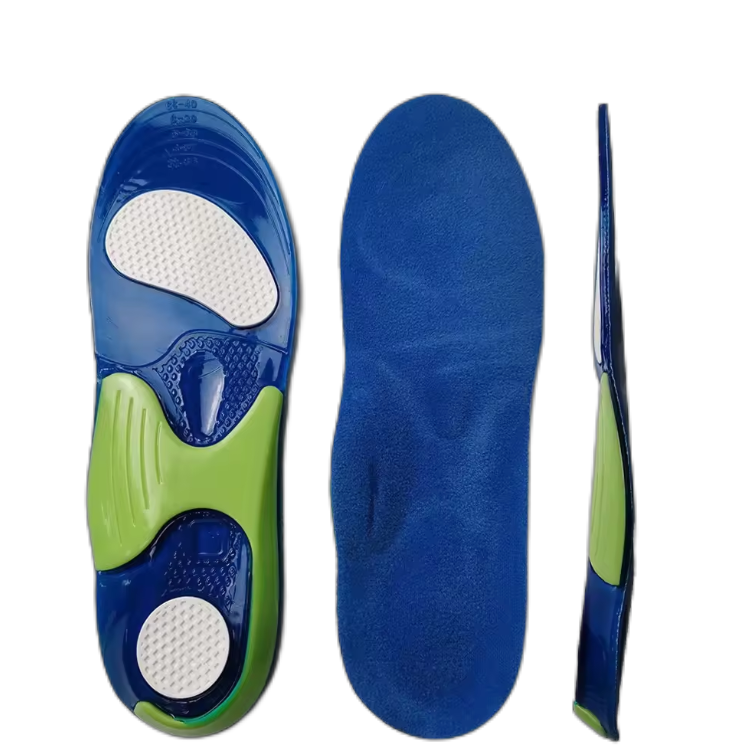
Sports Insole Gel Arch Support Insole for Diabetic Runners
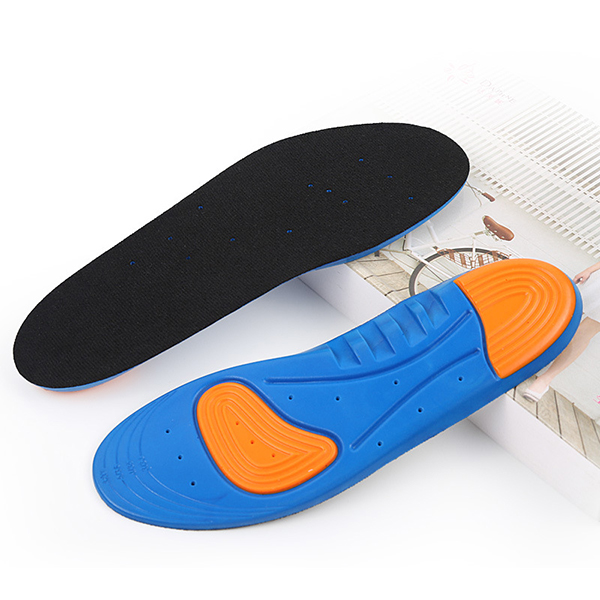
Sport Insoles Comfort Shock Absorption Running Insoles
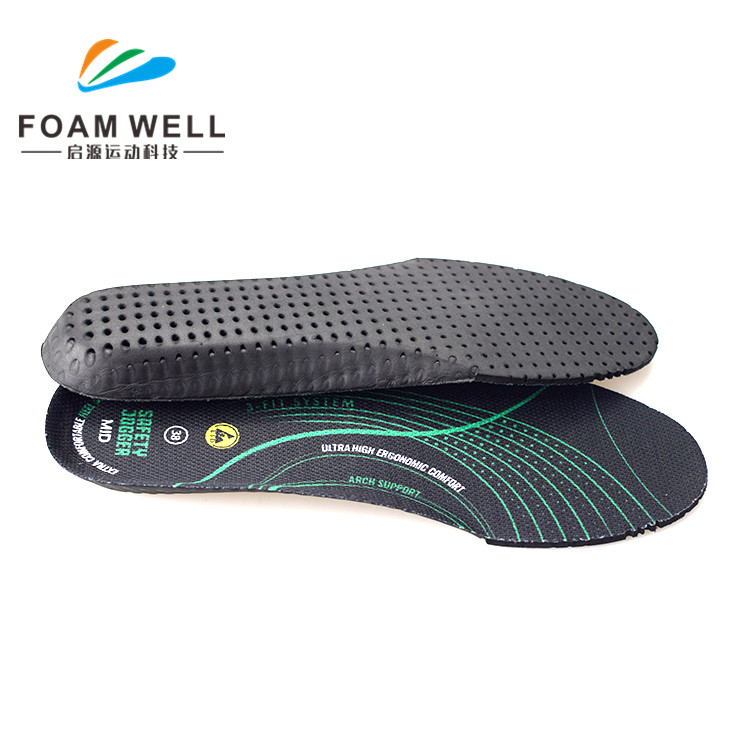
Foamwell EVA ESD Anti-Static Diabetic Running Insole