Insoles For Altra Shoes For Eco-Friendly Footwear Production Lines: Technical Integration & Market Trends
The global footwear industry is undergoing a profound transformation. Driven by stringent environmental regulations, shifting consumer values, and a collective push toward carbon neutrality, manufacturers are re-engineering every component of the shoe. Among these components, the insole plays a critical role in both comfort and performance. When designing specifically for niche architectures like Altra Shoes—famous for their FootShape™ toe boxes and Balanced Cushioning™ zero-drop platforms—standard insole solutions fall short. Designing and manufacturing high-performance, eco-friendly insoles for Altra-style shoes requires a deep understanding of biomechanics, sustainable material science, and advanced production line integration.
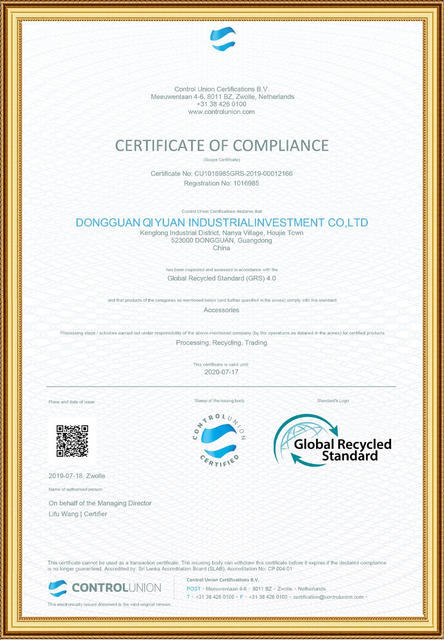
Industrial Insight: Modern footwear production lines are transitioning from linear, high-waste models to circular loops. Integrating GRS-certified recycled foams and supercritical foaming technologies into zero-drop shoe architectures represents the cutting edge of this transition.
1. The Biomechanical Demands of Altra Footwear Architecture
Altra Running shoes have carved out a significant market share by challenging traditional athletic shoe design. Their philosophy centers on two key design pillars:
- FootShape™ Toe Box: Unlike traditional tapered toe boxes, Altra shoes allow the toes to relax and spread out naturally, enabling the big toe to remain in a straight position for greater stability and power.
- Balanced Cushioning™ (Zero-Drop): The heel and forefoot are positioned at the equal distance from the ground, promoting low-impact form, proper alignment, and natural calf/achilles loading.
2. Commercial Landscape and Industrial Trends in Eco-Friendly Insoles
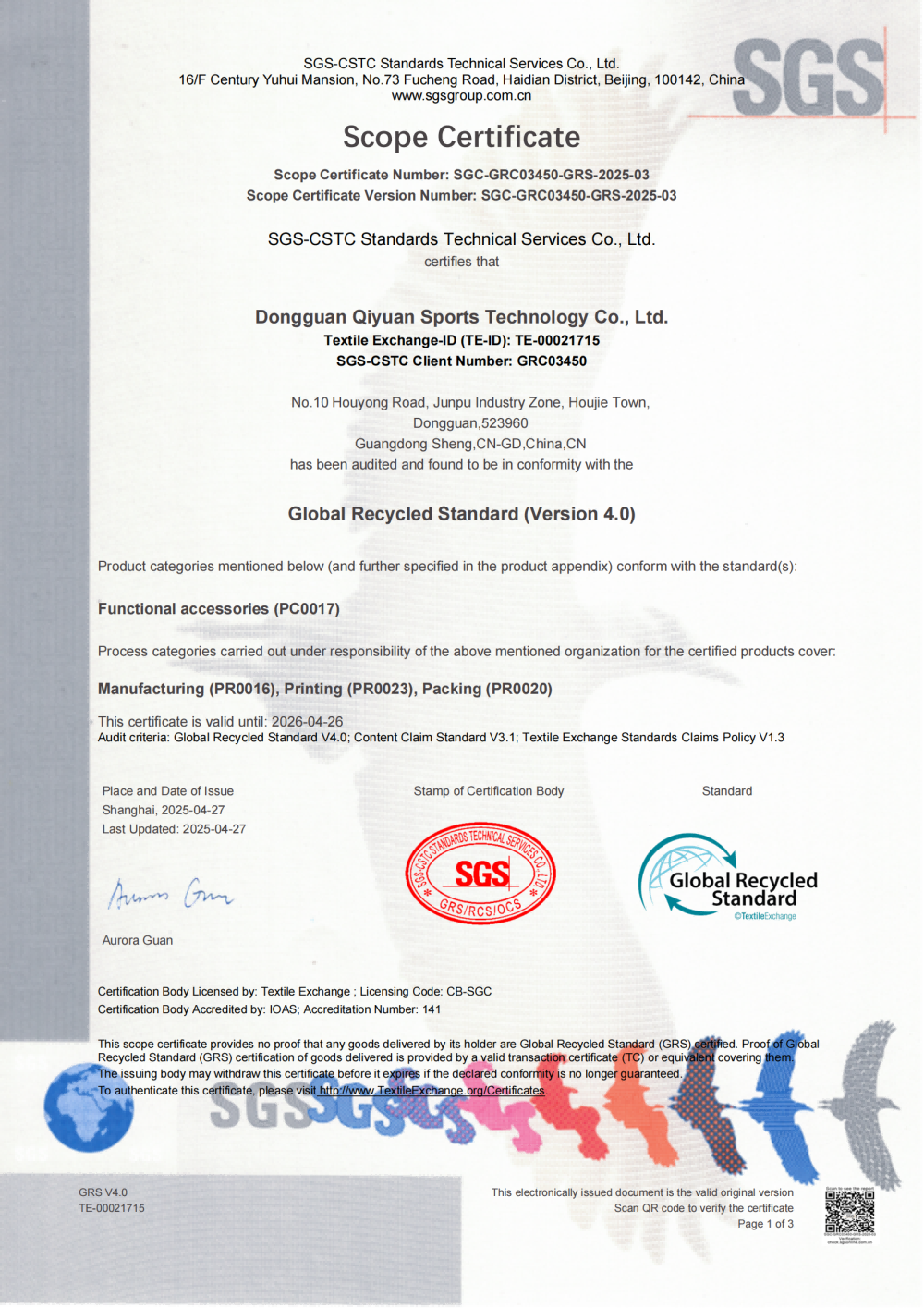
The commercial market for eco-friendly footwear is no longer a niche segment. According to recent market analysis, the global sustainable footwear market is projected to reach billions of dollars by 2030, growing at a compound annual growth rate (CAGR) of over 6%. Within this ecosystem, brands are searching for component suppliers who can deliver certified green materials without sacrificing physical performance. In response, industrial footwear production lines are increasingly adopting circular materials. This includes GRS (Global Recycled Standard) certified post-industrial PU foam, bio-based EVA, and recycled ocean plastics. The business case for implementing these materials is clear: it reduces scope 3 carbon emissions, ensures compliance with EU Green Claims Directives, and appeals to the environmentally conscious consumer base that naturally aligns with brands like Altra.
3. Deep Dive into Sustainable Material Technologies
To support high-output, eco-friendly production lines, manufacturers utilize a variety of advanced sustainable materials, each offering unique physical properties:
Supercritical Foaming Technology
Supercritical fluid foaming (typically using nitrogen or carbon dioxide) is a physical foaming process that eliminates chemical blowing agents. This clean technology results in an ultra-lightweight, highly resilient matrix with uniform cell structure. Supercritical EVA and TPU insoles offer exceptional energy return and durability, making them ideal for high-performance athletic footwear while significantly reducing hazardous chemical waste on the factory floor.
GRS Recycled PU Foam
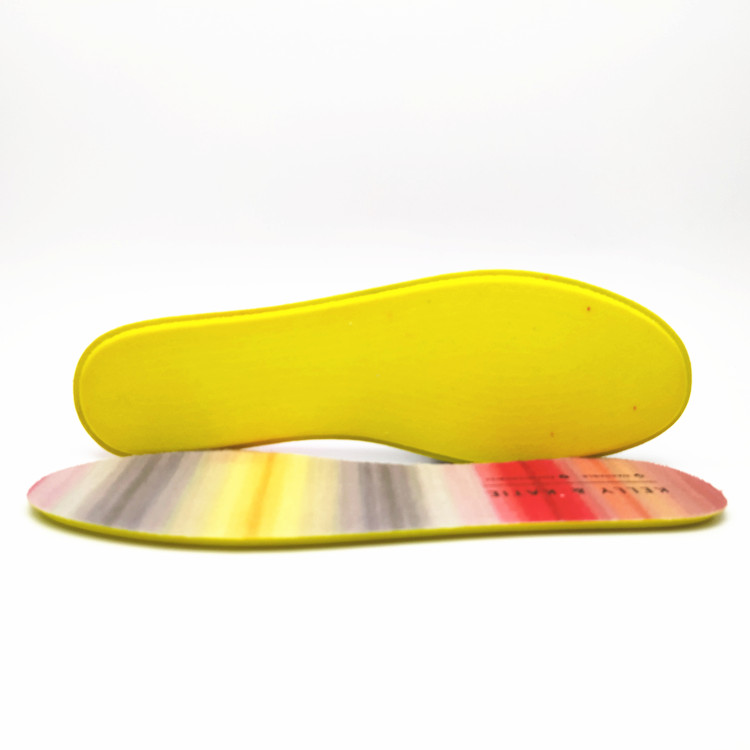
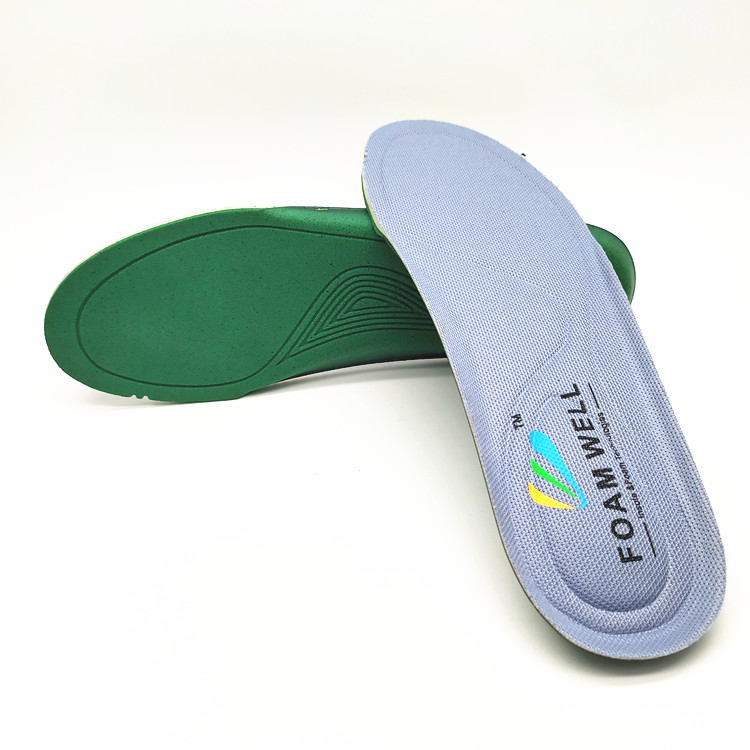

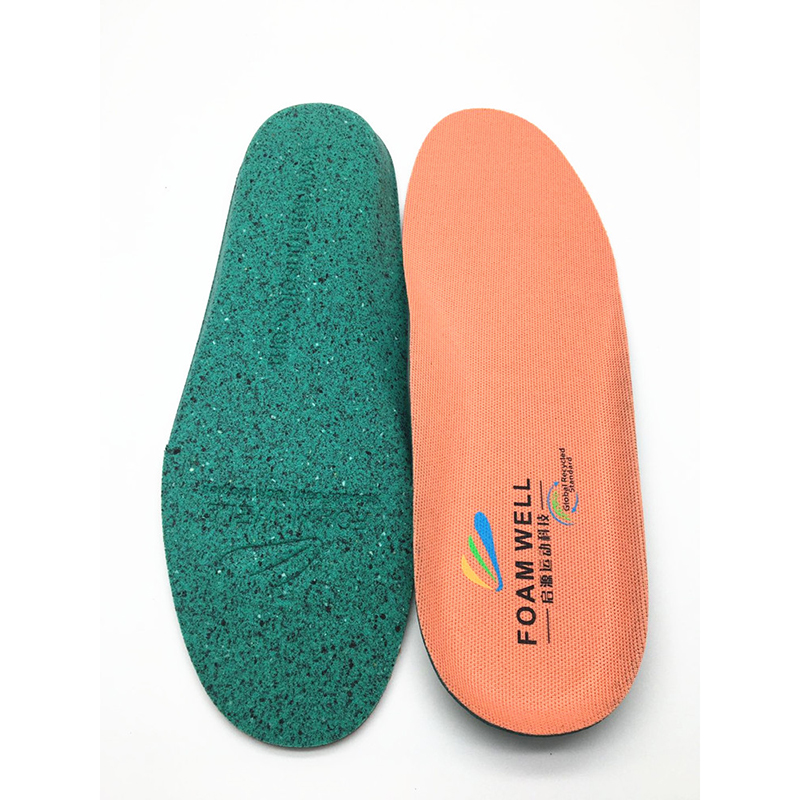
Polyurethane (PU) foam scrap from manufacturing processes historically ended up in landfills. Modern recycling lines now grind, bind, and re-foam this scrap. Foamwell's GRS 98% Recycled PU Foam Insole represents the pinnacle of this circular technology, offering premium cushioning, breathability, and moisture management while diverting massive volumes of waste back into the production cycle.
Bio-Based & Algae-Infused EVA
By blending traditional polymers with bio-derived alternatives, such as USDA-certified Bloom Algae, manufacturers can displace petroleum-based inputs. Algae harvesting also helps clean freshwater ecosystems, creating a double environmental benefit. These materials can be formulated to match the exact density and durometer required for zero-drop performance insoles.
4. Production Line Optimization and Quality Control Challenges
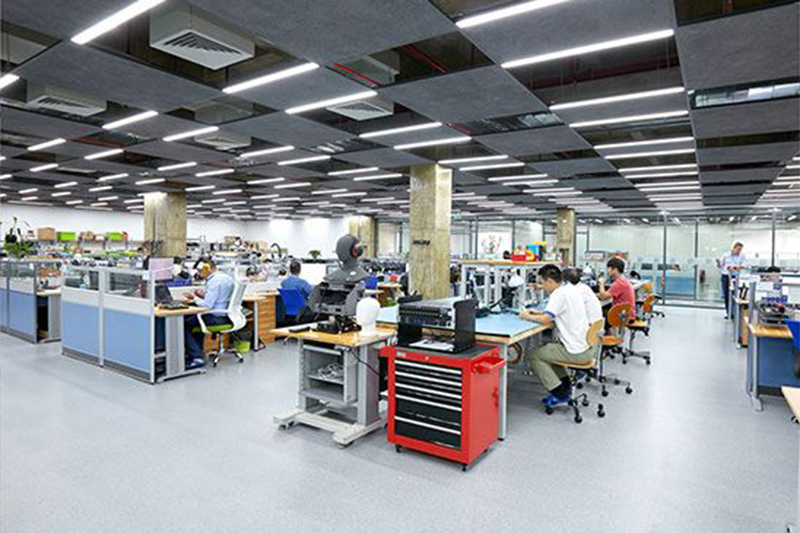
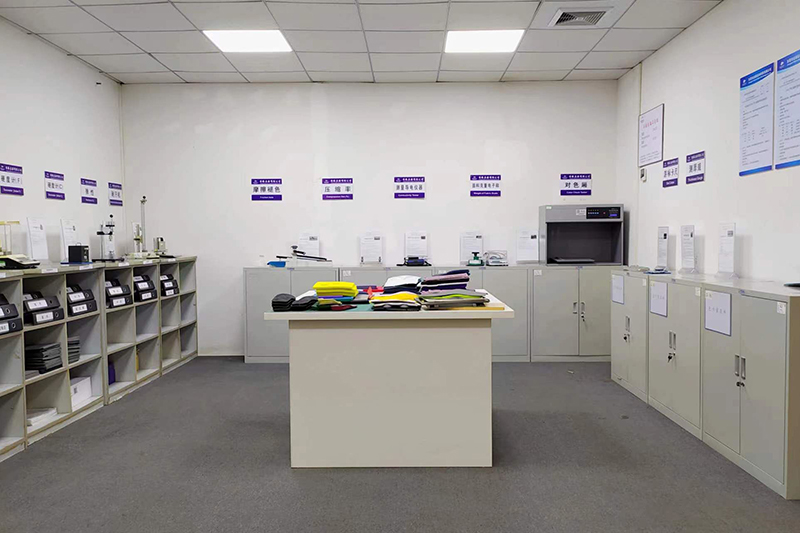
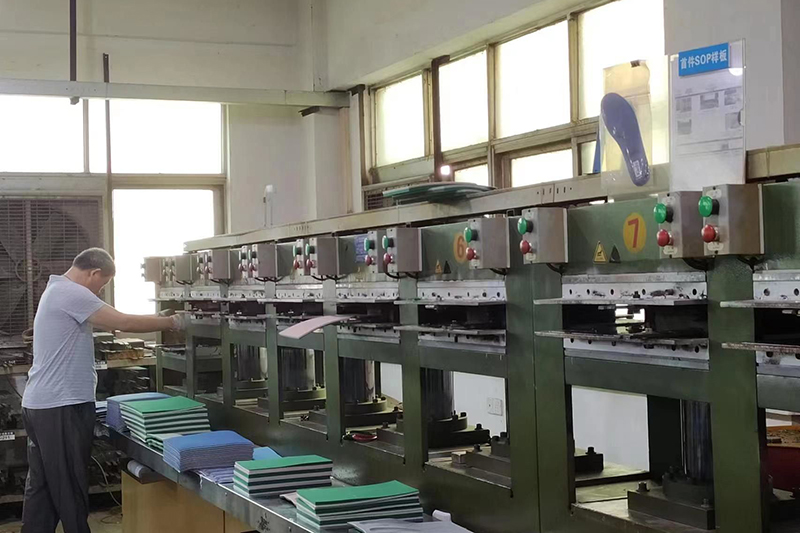
Integrating sustainable materials into high-speed footwear assembly lines introduces variables that require rigorous quality control (QC). Recycled foams can exhibit variability in density and tensile strength. Bio-based materials may react differently to temperature and pressure during the compression molding process. To maintain consistency, advanced production lines employ in-house testing laboratories to monitor incoming raw materials. Key parameters such as compression set, tear strength, flexing resistance, and nanoscale deodorization efficiency must be systematically verified. Ensuring that an insole maintains its zero-drop profile under repeated cyclic loading is critical for preventing biomechanical issues in the end-user.
5. The Strategic Advantage of Localized Global Manufacturing
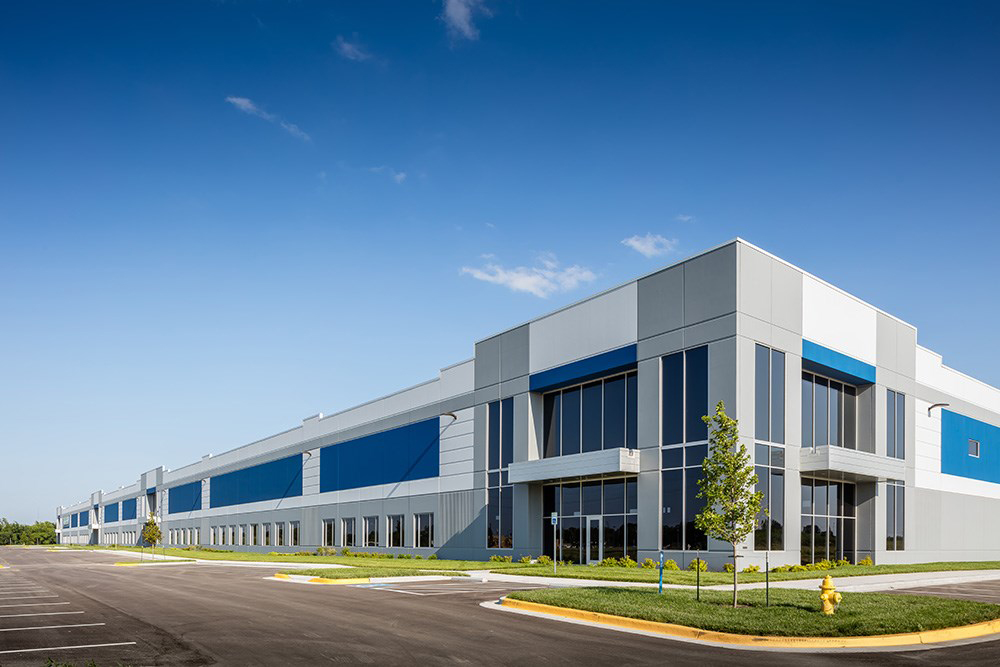
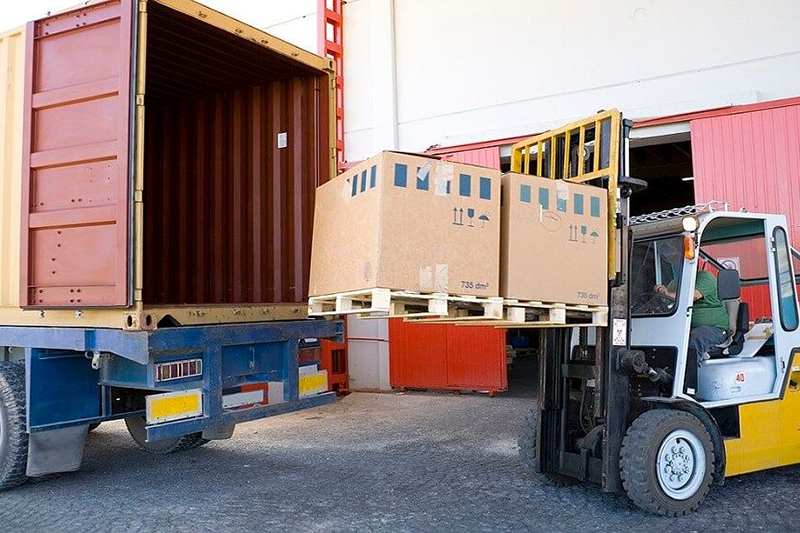
In addition to material choices, the geographical distribution of manufacturing facilities plays a vital role in reducing the overall carbon footprint of a product. Footwear assembly lines require seamless, just-in-time delivery of components. By establishing production facilities in key manufacturing hubs like China, Vietnam, and Indonesia, suppliers can minimize transcontinental shipping emissions, reduce lead times, and optimize supply chain resilience. This multi-facility strategy allows brands to scale production efficiently while maintaining strict environmental and labor standards across all regions.