Featured Minimalist Footbed Technologies
Discover high-performance insoles optimized for zero-drop minimalist shoes. Enhance comfort, control pronation, and reduce fatigue without altering your natural running gait.
The Evolution of Natural Running and Minimalist Footwear
Over the past two decades, the athletic footwear industry has witnessed a paradigm shift. The initial wave of maximalist cushioning has met strong scientific resistance from advocates of natural running biomechanics. Brands like Altra have pioneered this movement by introducing shoes built on zero-drop platforms (where the heel and forefoot are at the same height from the ground) and anatomical FootShape™ toe boxes. This design philosophy aims to mimic barefoot running while providing necessary protection against modern hard surfaces.
However, as runners transition from traditional high-drop running shoes to minimalist and zero-drop footwear, they often experience a biomechanical adjustment phase. Traditional running shoes artificially support the arch and elevate the heel, which frequently leads to weakened foot musculature, shortened Achilles tendons, and altered sensory feedback. When transitioning to Altra shoes or other minimalist footwear, the sudden change in gait can strain the plantar fascia, calves, and lower limbs if the foot is not properly supported during the adaptation phase. This is where specialized insoles for Altra shoes play a crucial commercial and physiological role.
Why Altra Shoes Require Specialized Insole Engineering
Altra shoes are fundamentally different from standard running shoes. Standard insoles, which are typically narrow, tapered at the toes, and often feature built-in heel lifts, completely contradict the design principles of Altra. Installing a standard aftermarket insole into an Altra shoe can ruin the zero-drop alignment, restrict the natural splay of the toes, and cause discomfort or blister formation due to mismatched shapes.
To maximize the benefits of Altra's wide toe box and zero-drop platform, an insole must be engineered with several distinct characteristics:
1. Wide Forefoot Geometry: The insole must have a flared forefoot that matches the FootShape™ design, allowing the metatarsals to spread naturally. This spreading action is key to natural shock absorption and stability during the toe-off phase of running.
2. True Zero-Drop Calibration: The thickness of the insole must be uniform from the heel to the forefoot (or designed to maintain a net-zero heel-to-toe drop). Any elevation of the heel shifts the body's center of gravity forward, negating the posture-correcting benefits of Altra shoes.
3. Flexible Dynamic Support: Instead of rigid plastic arch supports that lock the foot in a static position, insoles for minimalist footwear must offer dynamic support. They should cushion the foot while allowing the arch to naturally flex and recoil, strengthening the intrinsic muscles of the foot during natural running training.
Industrial & Commercial Landscape of Minimalist Footwear Accessories
The global market for orthotics and replacement insoles is expanding rapidly, driven by an aging population, rising sports participation, and increasing awareness of foot health. Within this market, the minimalist and natural running segment is one of the fastest-growing niches. Consumers are no longer satisfied with generic, one-size-fits-all insoles. They demand product-specific compatibility, eco-friendly materials, and advanced shock-absorption technologies.
From an industrial perspective, manufacturers are moving away from traditional petrochemical EVA foams toward advanced compounds like supercritical fluid-foamed elastomers, biodegradable open-cell PU, and recycled polymer blends. Foamwell, as a leading global manufacturer, is at the forefront of this shift, producing high-performance, environmentally friendly insoles that meet the strict requirements of minimalist runners. The demand for customized, high-resilience, and breathable insoles has led to strategic partnerships between footwear brands and specialized insole developers, ensuring that aftermarket footbeds enhance rather than hinder the shoe's engineered performance.
Advanced Material Science in Modern Minimalist Insoles
The performance of an insole is directly determined by its material composition. For minimalist footwear and natural running training, the material must offer a balance of shock absorption, energy return, durability, and lightweight performance. Several key materials have emerged as industry standards:
Polylite® Rebound Open-Cell PU Foam
Polylite® represents a major advancement in polyurethane foam technology. Unlike traditional closed-cell foams that trap heat and moisture, Polylite® features an open-cell structure that allows air to circulate freely around the foot. This structure prevents moisture buildup, reducing the risk of blisters and bacterial growth. Furthermore, Polylite® offers exceptional rebound properties, returning energy to the runner with every stride while maintaining its structural integrity over hundreds of miles.
Supercritical EVA (LEAP E60)
Supercritical foaming is a high-tech manufacturing process that uses gases (such as nitrogen or carbon dioxide) under extreme pressure to create foam. The resulting material, such as LEAP E60, contains micro-cells that are incredibly uniform and resilient. Supercritical EVA is significantly lighter than standard EVA, provides superior shock absorption, and boasts an exceptionally high energy return rate. This makes it ideal for competitive runners who want to minimize shoe weight while maximizing protection during long-distance training.
Carbon Fiber Integration

For runners seeking maximum propulsion and stability, carbon fiber insoles provide a rigid yet lightweight plate that assists in energy transfer. When integrated into minimalist shoes, carbon fiber plates can reduce energy loss in the metatarsophalangeal joints, helping runners maintain a faster pace over long distances. However, this must be carefully balanced to ensure it does not interfere with the natural flexibility of the foot.
Deep-Dive Application Scenarios: Enhancing the Running Experience
Insoles designed for Altra shoes and minimalist footwear are not limited to a single type of user. Their application spans various athletic and daily activities, each requiring specific biomechanical adjustments:
1. Transitioning Safely to Zero-Drop Footwear
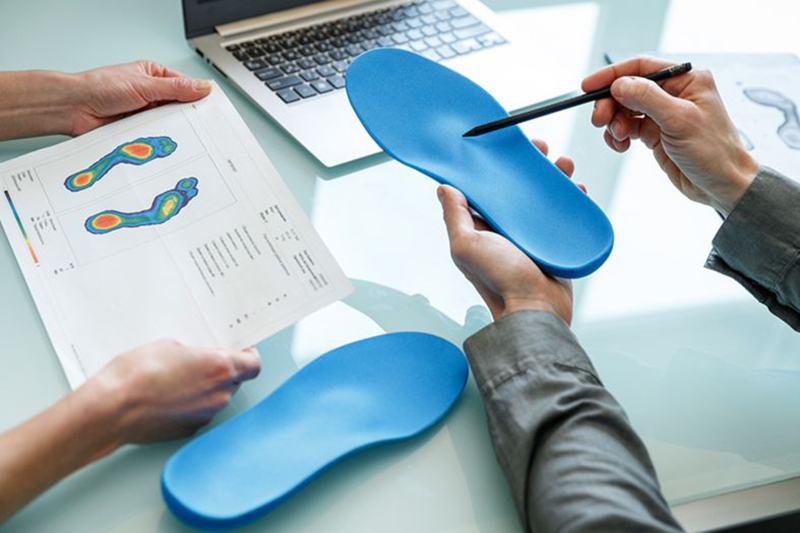
For runners accustomed to traditional shoes with a 10-12mm heel drop, switching directly to Altra shoes can cause calf tightness and Achilles tendonitis. A transitional orthotic insole with mild, flexible arch support can help ease this transition. The insole provides temporary relief to the plantar fascia and calf muscles, allowing the runner to gradually build the strength required for natural running training without suffering overuse injuries.
2. Ultra-Endurance and Trail Running
Trail running involves uneven terrain, rocks, and debris, which put immense stress on the feet. Altra's wide toe box is highly favored by trail runners because it allows the toes to splay for better balance. However, during ultramarathons, the muscles of the foot inevitably fatigue, leading to arch collapse and overpronation. An aftermarket insole made of high-resilience PU foam, like Polylite®, provides the necessary shock absorption and structural support to protect the foot over long distances, preventing acute injuries like stone bruises and stress fractures.
3. Daily Biomechanical Orthotic Support
Many individuals wear Altra shoes for daily walking or standing due to their comfort and wide fit. For people with flat feet (pes planus) or high arches (pes cavus), Altra's minimal built-in support may not be sufficient for all-day wear. An orthotic arch support insole designed specifically for wide-toe boxes can correct alignment issues, reducing knee, hip, and lower back pain, while still allowing the toes to remain in a natural, unconstrained position.
4. Industrial Safety and Anti-Static Environments
Minimalist footwear principles are also gaining ground in industrial work environments. Workers who spend 8-12 hours standing on concrete floors benefit greatly from wide toe-box shoes. However, industrial settings require specialized safety features, such as ESD (Electrostatic Discharge) protection. Integrating an ESD anti-static PU work insole into a wide-toe work shoe ensures safety compliance while providing the ergonomic benefits of minimalist footwear, reducing fatigue and long-term joint strain.
Future Trends: The Next Generation of Footbed Engineering
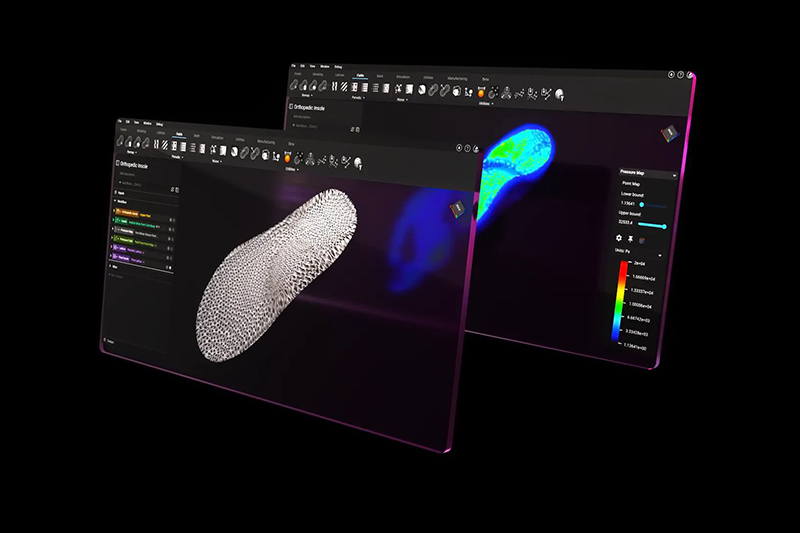
The future of insoles for minimalist footwear lies at the intersection of digital customization, biotechnology, and smart sensors. As 3D printing technology becomes more accessible, we will see a rise in custom-printed insoles designed from dynamic gait analysis data. These insoles will feature variable density zones, providing targeted support only where the runner needs it, while remaining completely flexible elsewhere to preserve the natural movement of the foot.
Sustainability is another major trend driving industry innovation. Brands are increasingly moving away from fossil-fuel-based plastics toward bio-based polyols derived from castor oil, algae, and recycled agricultural waste. These eco-friendly materials perform just as well as traditional foams but have a much lower carbon footprint, aligning with the values of environmentally conscious outdoor enthusiasts.
Finally, the integration of smart sensors into insoles will allow runners to track their gait metrics in real-time. By measuring parameters like foot strike pattern, pronation velocity, and contact time, runners can receive instant feedback on their form, helping them optimize their natural running training and prevent injuries before they occur.
We Are Around Everywhere You Need Us To Be!
Global Factory
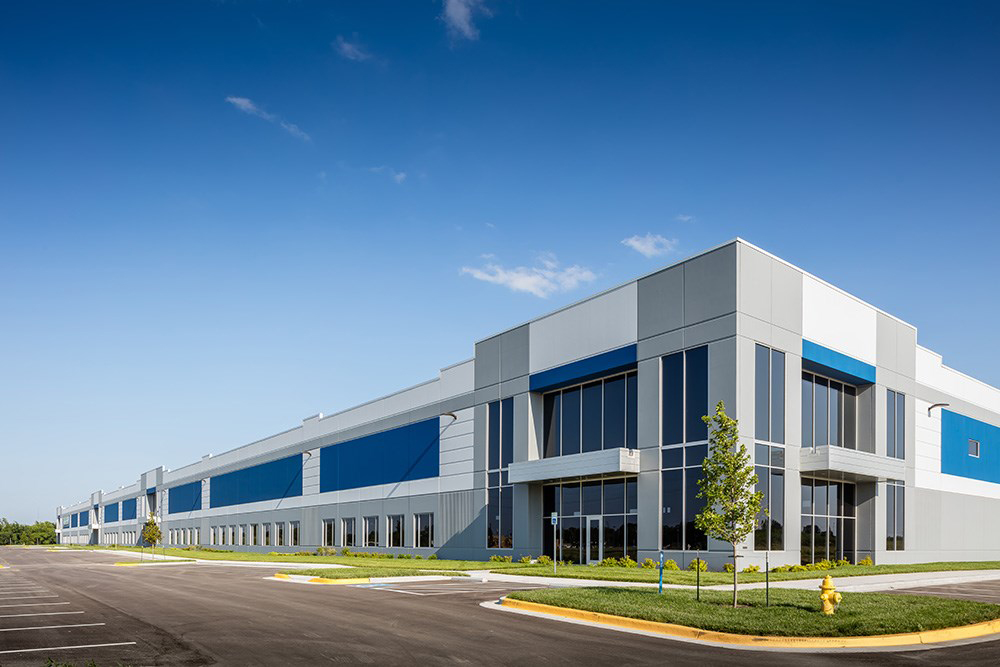
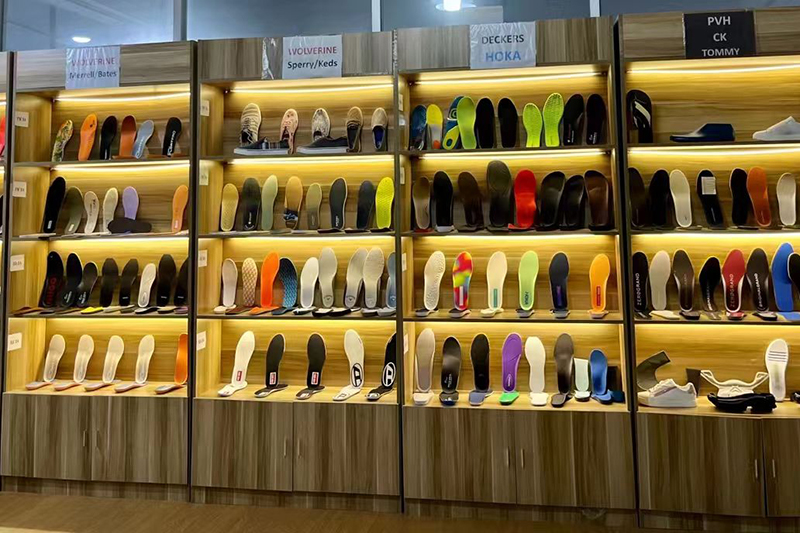
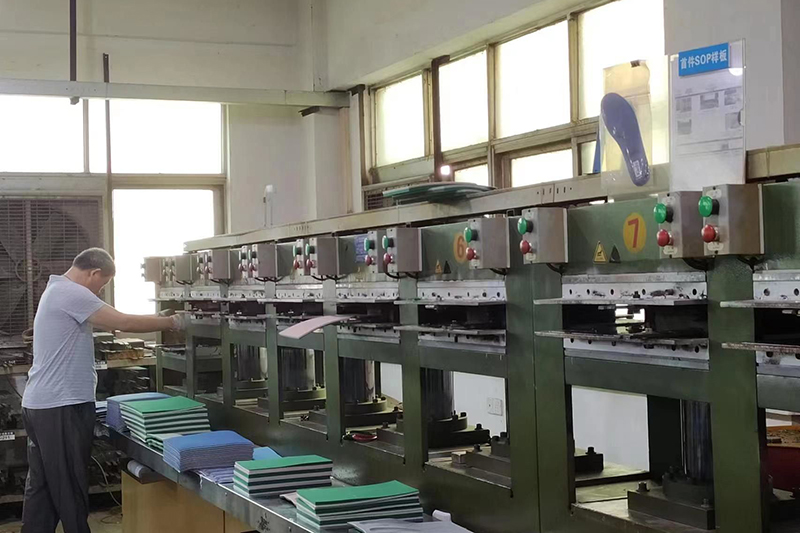
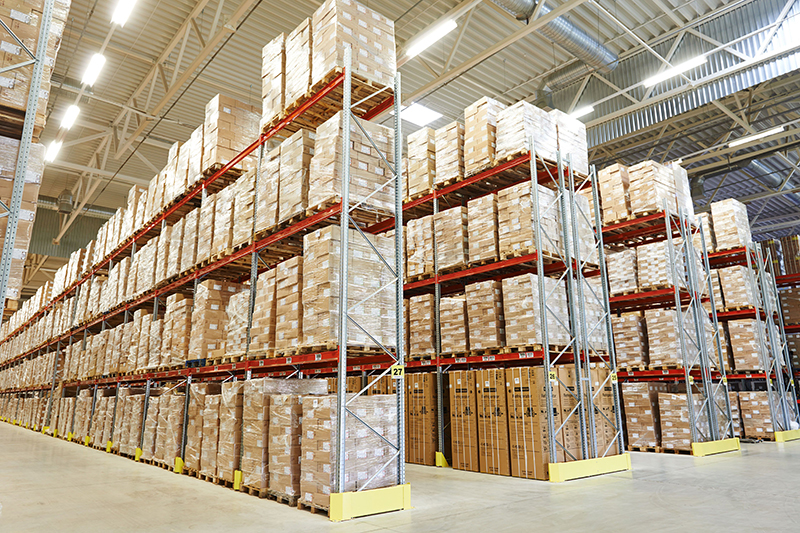
Foamwell is registered in Hong Kong with production facilities in China, Vietnam and Indonesia, specializing in the development and manufacturing of sustainable environmentally friendly PU Foam, Memory Foam, Patent Polylite Elastic Foam, Polymer Latex; Foamwell also focuses on the development and manufacturing of EVA, PU, LATEX, TPE, PORON, POLYLITE, Supercritical Foaming insoles, PU Orthotic insole, Customized insoles, Heightening insoles, High-tech insoles, and products for foot care.
Foamwell excels in innovating increases of comfort, shock absorption, breathability, high resilience, orthotic treatments, nanoscale deodorization, silver ion antibacterial, ESD, and Bio elements.
In-House Testing Laboratory
Quality Control
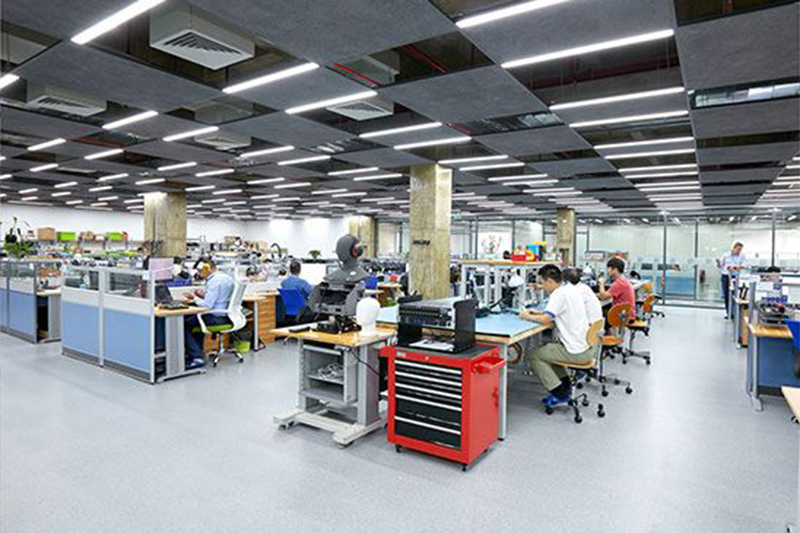
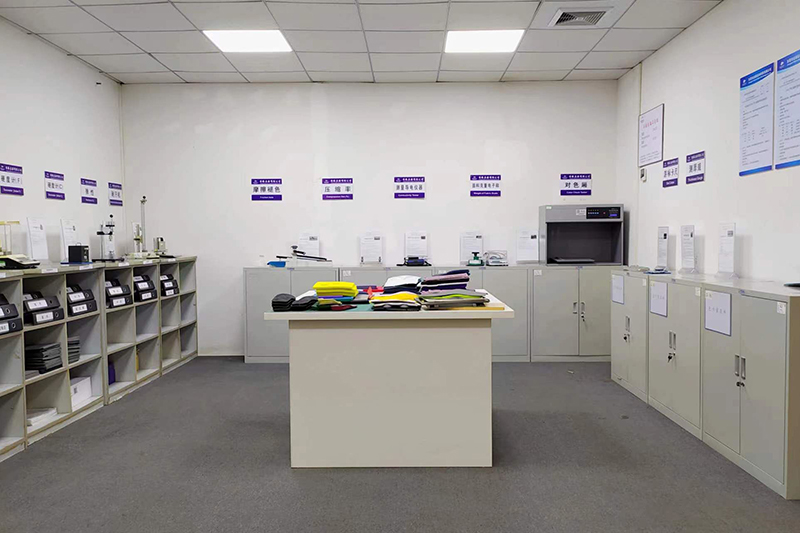
Our vision is to customize and produce products for foot health with incomparable comfort and high performance for every customer. Foamwell in-house Testing Laboratory plays a key role in our company's business. It is formed by a group of specialists to ensure the quality standard for each product from incoming material to ready-to-ship process, to provide customers with the very best product.
Why We Lead
Foamwell Advantages
Our vision is to customize and produce products for foot health with incomparable comfort and high performance for every customer.
A solid history of technical expertise and market leadership in footbed manufacturing.
Continuous innovation in materials science, biomechanics, and ergonomic design.
Rigorous quality control protocols at every stage of the manufacturing process.
Proud to be the trusted partner for the world's leading footwear brands, maintaining a zero-claim record.
Service Excellence
Why Choose Us
We deliver cost-effective, environmentally friendly, and timely solutions for footwear brands worldwide.
Time Effectiveness
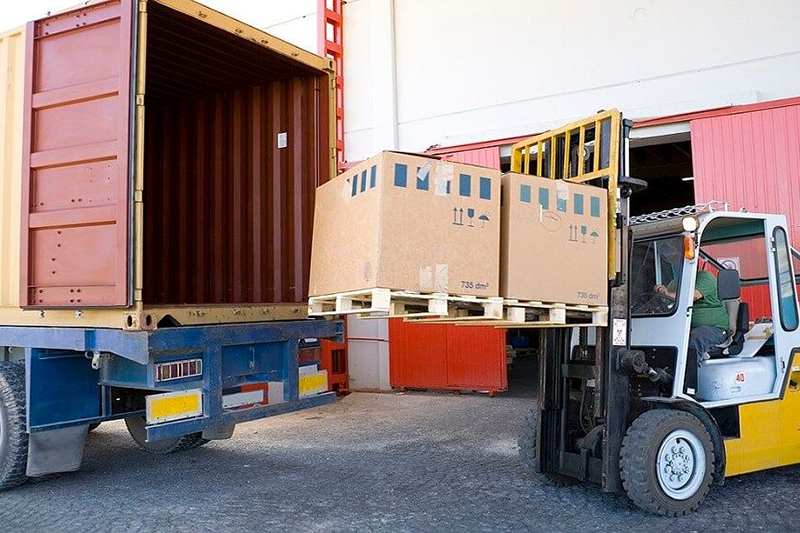
3-5 days for custom engineering design, 5-7 days for rapid sampling, and 30-35 days for bulk order delivery.
Cost Effectiveness
Production facilities in China, Vietnam, and Indonesia provide local delivery options to minimize logistics costs.
Environmental Friendly
Processed with recycled and bio-based materials, utilizing energy-efficient methods to minimize carbon footprint.
Global Compliance
Certificates
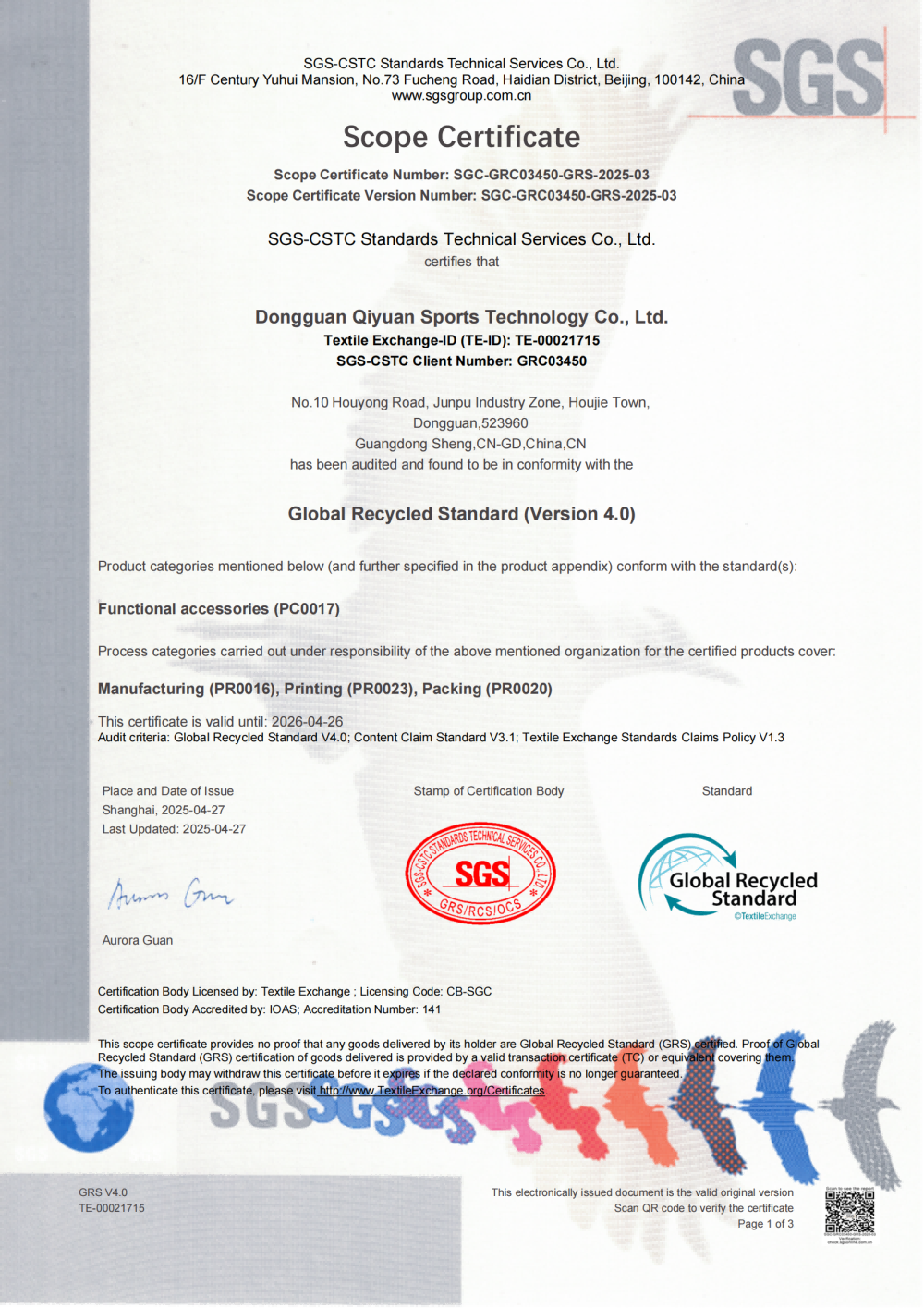
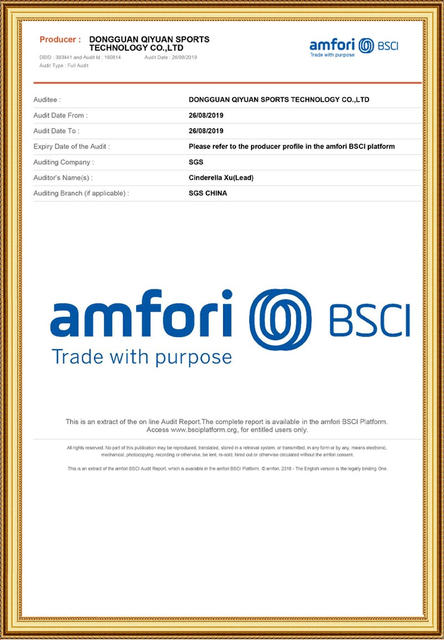
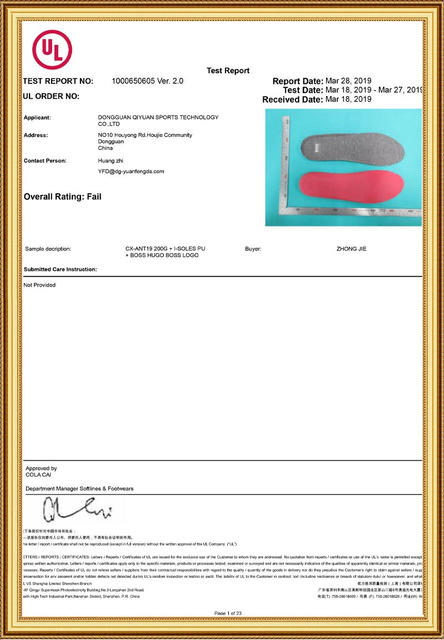
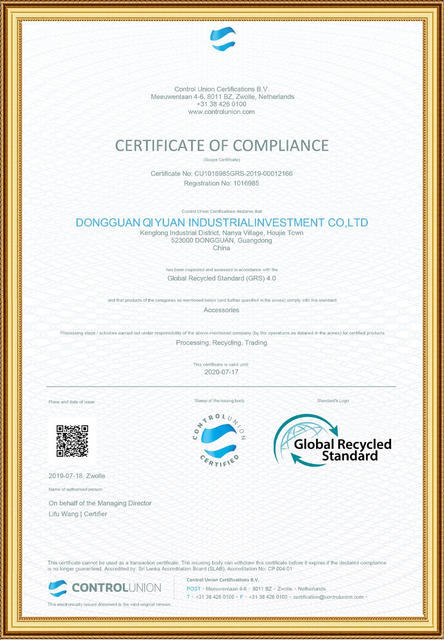
Foamwell has been approved the ISO Certificate, BSCI, GRS, and owns lots of patents for the insole invention and designs.
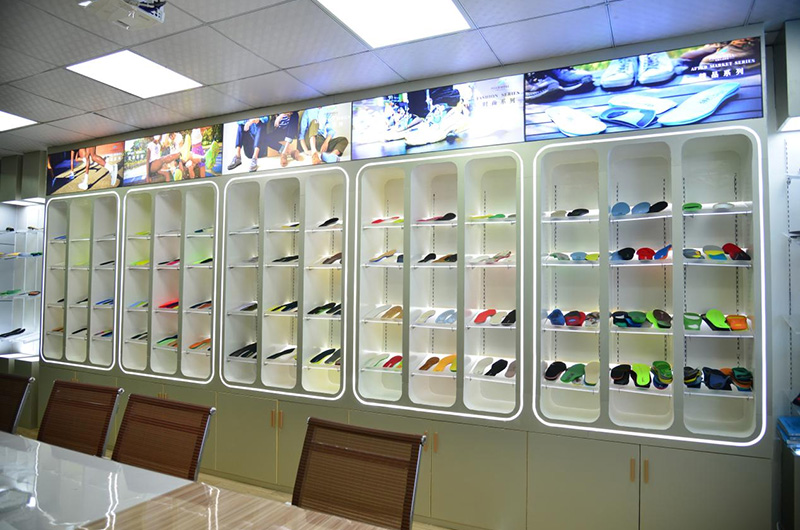
Our Complete Footwear Insole Collection
Explore our full range of technical insoles, designed for children, athletes, industrial workers, and everyday comfort.