Clinical-Grade Foot Care Solutions
Engineered specifically to support patients suffering from chronic foot ailments, post-operative rehabilitation, and metabolic conditions.
The Science of Low Compression Set in Medical Podiatry
In clinical patient foot-care and health management, the structural integrity of orthotic materials is not merely a matter of comfort—it is a critical therapeutic parameter. A compression set refers to the permanent deformation remaining in an elastomeric material after the compressive force is released. In standard consumer footwear, insoles quickly experience material fatigue, flattening out under cyclic body weight. For clinical patients, this degradation is dangerous. When an insole loses its loft, it fails to distribute plantar pressure, leading to localized stress concentration, shear force accumulation, and eventual tissue breakdown.
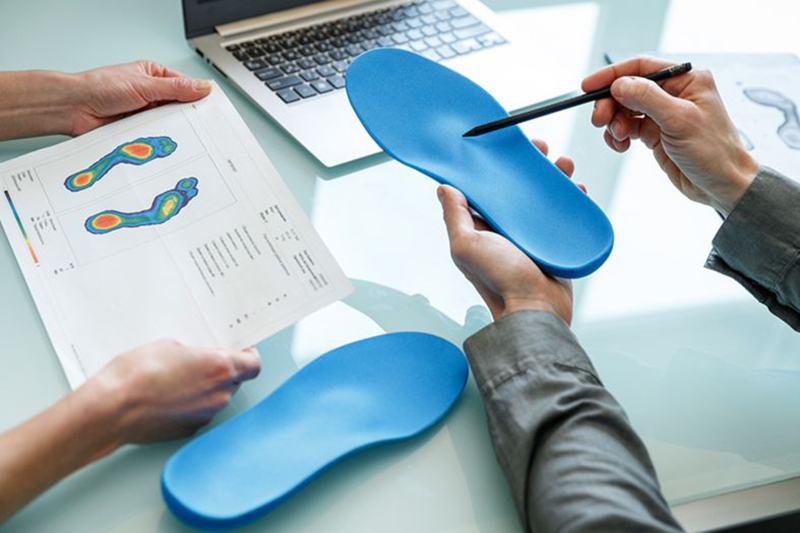
Low compression set insoles, engineered from advanced polyurethane (PU) and specialized ethylene-vinyl acetate (EVA) blends, maintain their dynamic cushioning and thickness even under long-term, high-frequency loading. This ensures that the custom-molded contour of the orthotic continues to support the medial longitudinal arch, stabilize the calcaneus, and offload pressure from the metatarsal heads. By preventing the material from bottoming out, clinicians can guarantee consistent, predictable therapeutic outcomes over months of continuous wear.
"A low compression set rating (typically under 5% under standard ASTM D395 testing) guarantees that the orthotic device retains its shock-absorbing geometry, safeguarding patients against pressure ulcers, joint strain, and gait abnormalities."
Commercial and Industrial Status of Clinical Insoles
The global orthotics and clinical insoles market is undergoing a significant paradigm shift. Historically, podiatrists relied on rigid, hand-carved cork or thermoplastic orthoses. While these offered structural alignment, they lacked the shock attenuation and micro-climate management required by patients with sensitive skin or compromised vascularity. Today, the demand for high-performance elastomeric insoles is soaring, driven by a rising global prevalence of diabetes, obesity, and age-related musculoskeletal disorders.
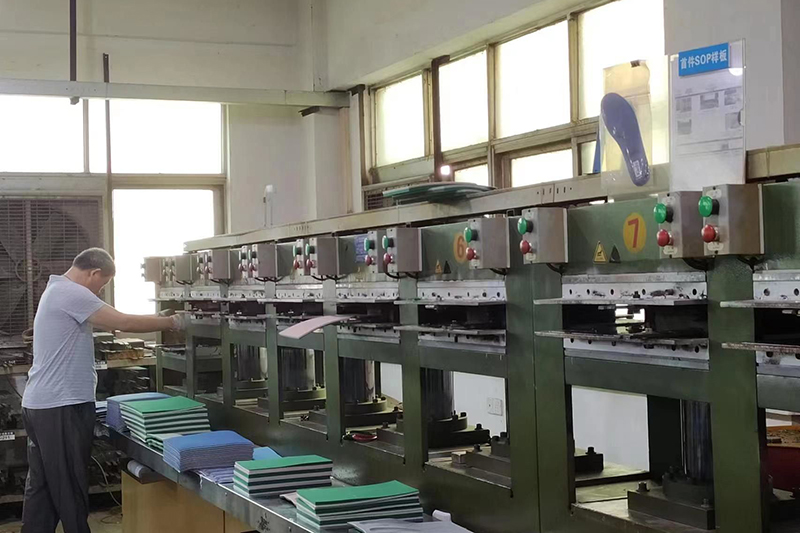
Industrially, manufacturers are moving away from monolithic foam sheets toward multi-density, functionally graded structures. Modern production lines incorporate advanced CAD/CAM milling and 3D printing alongside traditional compression molding. This allows for the integration of low compression set PU foams, memory foams, and supercritical foaming agents into a single orthotic system. Commercial healthcare buyers—ranging from rehabilitation hospitals to specialized orthotic clinics—increasingly mandate rigorous material certifications, requiring suppliers to demonstrate long-term durability, biocompatibility, and antimicrobial properties.
Key Industry Trends Driving Development
- Supercritical Foaming Technology: Using nitrogen or carbon dioxide in a supercritical state to foam polymers creates highly uniform micro-cellular structures. This minimizes cell wall collapse, resulting in exceptionally low compression set values and ultra-lightweight profiles.
- Bio-Based and Eco-Friendly Materials: The healthcare sector is actively reducing its carbon footprint. The integration of bio-based polyols and algae-harvested EVA allows manufacturers to deliver clinical-grade orthotics that align with hospital environmental initiatives.
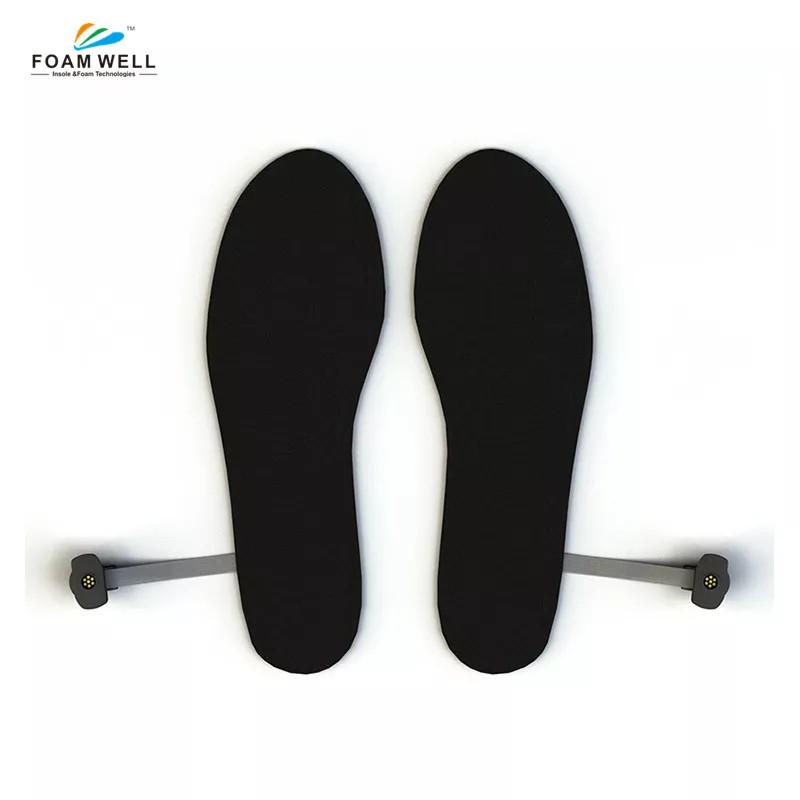
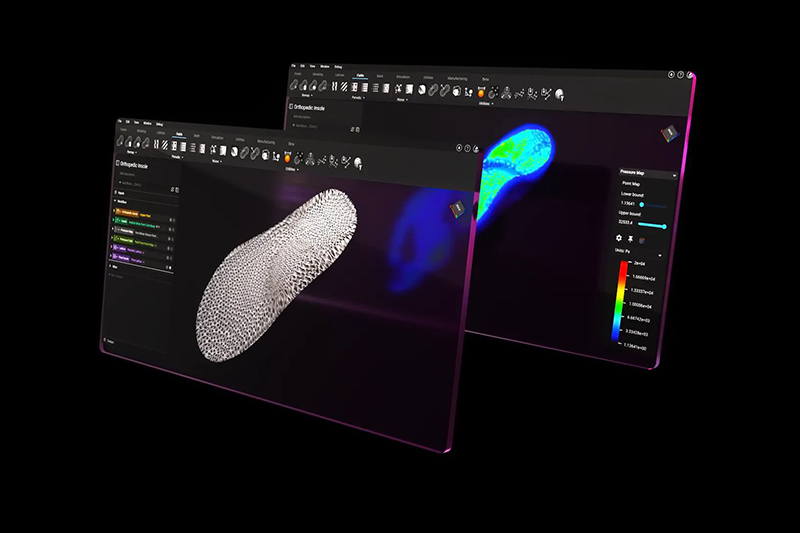
- Smart Sensor Integration: Embedding ultra-thin pressure sensors and conductive pathways into low compression set substrates enables real-time gait analysis and pressure hotspot detection, converting static insoles into active health monitoring systems.
- Antimicrobial and Sanitized Formulations: Incorporating silver ion technology and nanoscale deodorization directly into the foam matrix prevents bacterial colonization, a vital feature for diabetic patients prone to infections.
Deep Application Scenarios in Patient Care
1. Diabetic Foot Ulcer (DFU) Prevention and Management
For patients diagnosed with diabetic peripheral neuropathy, the loss of protective sensation means they cannot feel micro-traumas or localized pressure spikes. Standard insoles deform permanently under the metatarsal heads, creating high-shear zones that lead to subcutaneous bleeding and ulceration. Low compression set insoles provide a continuous, reliable offloading mechanism. By maintaining their elastomeric memory, they ensure that plantar pressure is evenly distributed across the entire foot surface, reducing the risk of costly and life-threatening amputations.
2. Post-Surgical Rehabilitation and Joint Realignment
Following corrective surgeries for conditions like hallux valgus, flatfoot reconstruction, or joint arthroplasty, the patient's gait pattern undergoes temporary instability. The foot requires stable, repeatable orthotic feedback to guide the skeletal structure back to its optimal alignment. An insole that collapses unevenly can induce secondary joint strain or compromise surgical outcomes. Low compression set materials ensure that the post-operative support remains structurally constant, facilitating a safer and more predictable rehabilitation phase.
3. Geriatric Fat Pad Atrophy and Chronic Pain Relief
As the human body ages, the natural adipose tissue under the calcaneus and metatarsal heads thins out—a condition known as fat pad atrophy. Without this natural shock absorber, elderly patients experience severe pain during ambulation, leading to sedentary lifestyles and subsequent systemic health decline. Low compression set insoles act as a synthetic fat pad, providing durable, non-bottoming cushioning that mimics the mechanical response of healthy human tissue, restoring mobility and improving quality of life.
4. Occupational Footwear for Healthcare and Industrial Workers
Health management extends beyond active patients to preventative care for high-risk workers. Medical professionals, factory laborers, and retail staff spend long hours standing on hard surfaces, leading to cumulative musculoskeletal fatigue, plantar fasciitis, and lower back strain. Implementing low compression set insoles in occupational footwear mitigates fatigue by absorbing repetitive impacts and maintaining structural arch support throughout long shifts, preventing chronic occupational injuries.
Material Innovation: The Foamwell Advantage
At the intersection of material science and clinical efficacy lies the proprietary technology developed by Foamwell. By combining sustainable manufacturing practices with advanced polymer engineering, Foamwell produces insoles that satisfy the strict demands of clinical environments. Whether utilizing memory foam, patented Polylite elastic foam, or supercritical ETPU, the core focus remains on achieving an optimal balance between high resilience, breathability, and low compression set.
We Are Around Everywhere You Need Us To Be!
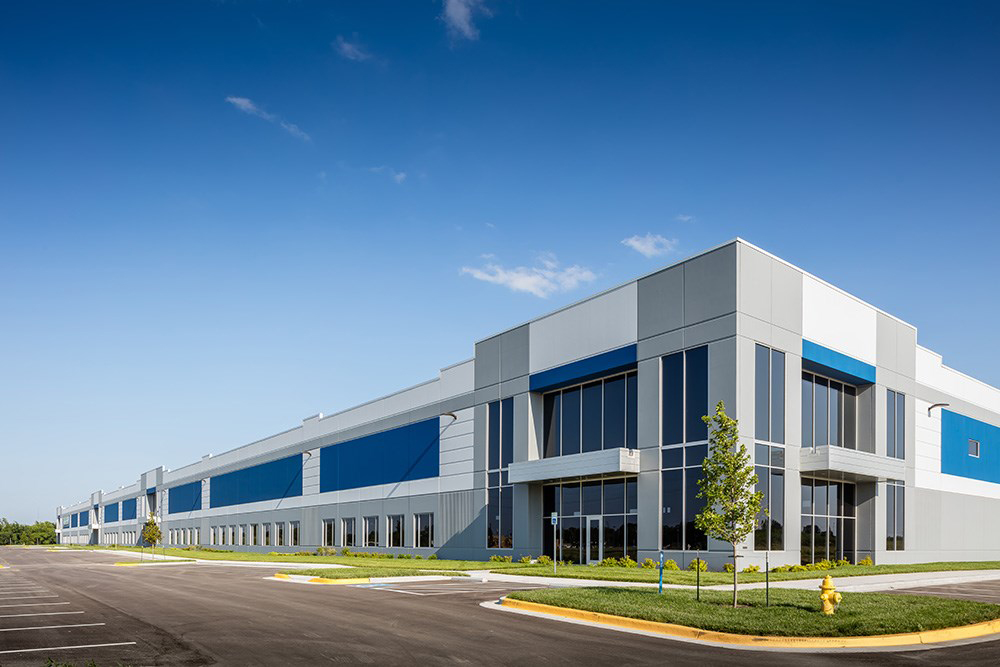
Global Factory
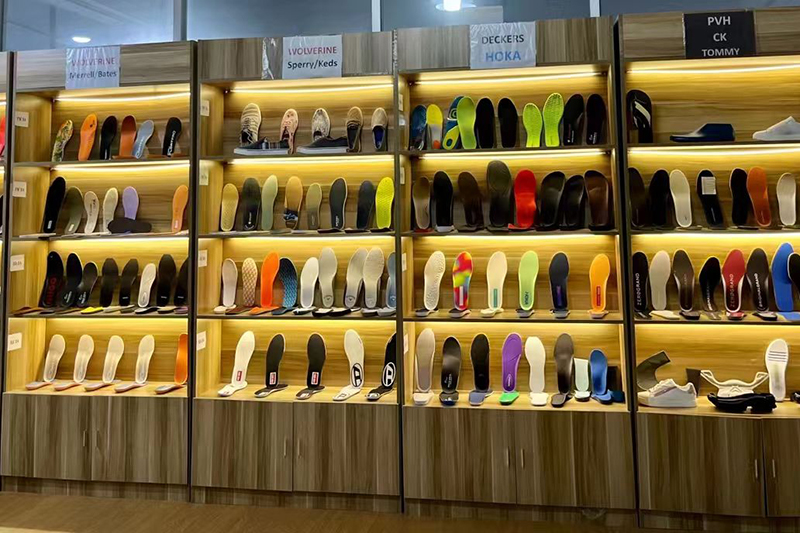
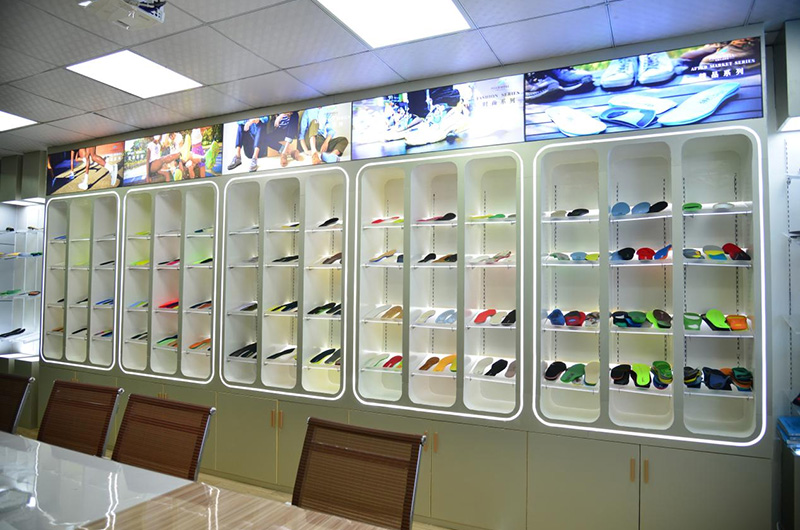
Foamwell is registered in Hong Kong with production facilities in China, Vietnam and Indonesia, specializing in the development and manufacturing of sustainable environmentally friendly PU Foam, Memory Foam, Patent Polylite Elastic Foam, Polymer Latex; Foamwell also focuses on the development and manufacturing of EVA,PU, LATEX,TPE, PORON, POLYLITE, Supercritical Foaming insoles, PU Orthotic insole, Customized insoles, Heightening insoles, High-tech insoles, and products for foot care. Foamwell excels in innovating increases of comfort, shock absorption. breathability, high resilience,orthotic treatments, nanoscasle deodorization, silver ion antibacterial,ESD, Bio elements;
Quality Control
Our vision is to customize and produce products for foot health with incomparable comfort and high performance for every customer.
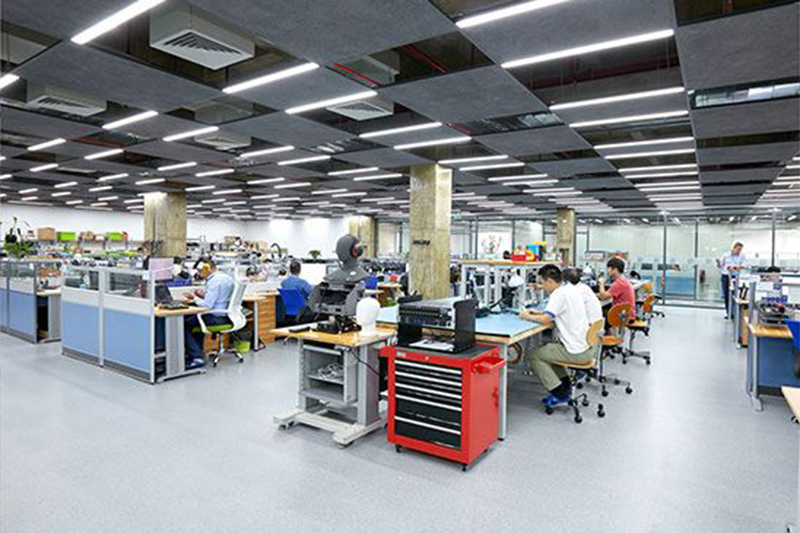
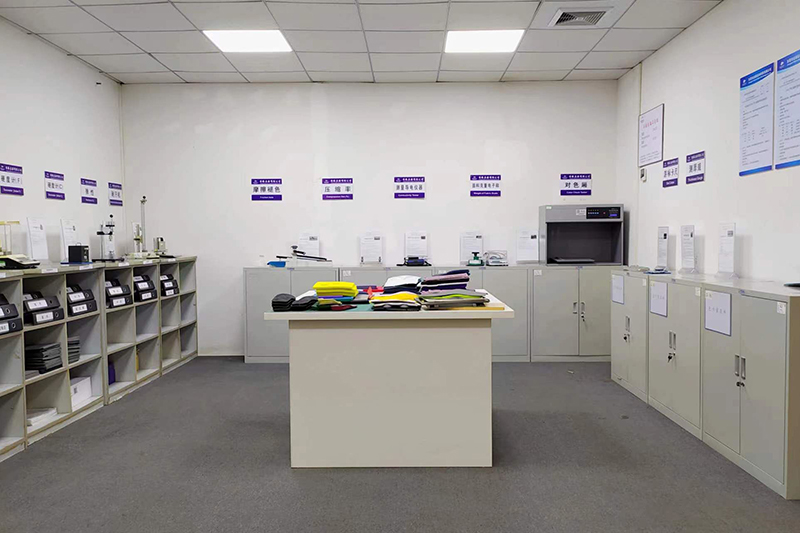
Foamwell in-house Testing Laboratory plays a key role in our company’s business, It is formed by a group of specialists to ensure the quality standard for each product from incoming material to ready-to-ship process, to provide customers with the very best product.



Foamwell Advantages
Our vision is to customize and produce products for foot health with incomparable comfort and high performance for every customer.
Experience
Over 15 years experiences.
Expertise
Expert in R&D and manufacturing of insoles.
Commitment
Committed to quality.
Global Trust
Pride to be the approved supplier for world’s leading footwear and insole brands, constantly perfect the quality standard to ensure each product is with no claims.
Why Choose Us
Our vision is to customize and produce products for foot health with incomparable comfort and high performance for every customer.
Time Effectiveness
3-5 days for design, 5-7 days for samples, 30-35 days for bulk order delivery.
Cost Effectiveness
With production facility in China, Vietnam, Indonesia for local delivery and service to minimize the cost.
Environmental Friendly
Process with recycled/bio-based material and energy-efficient production method to minimize carbon footprint.
Certificates
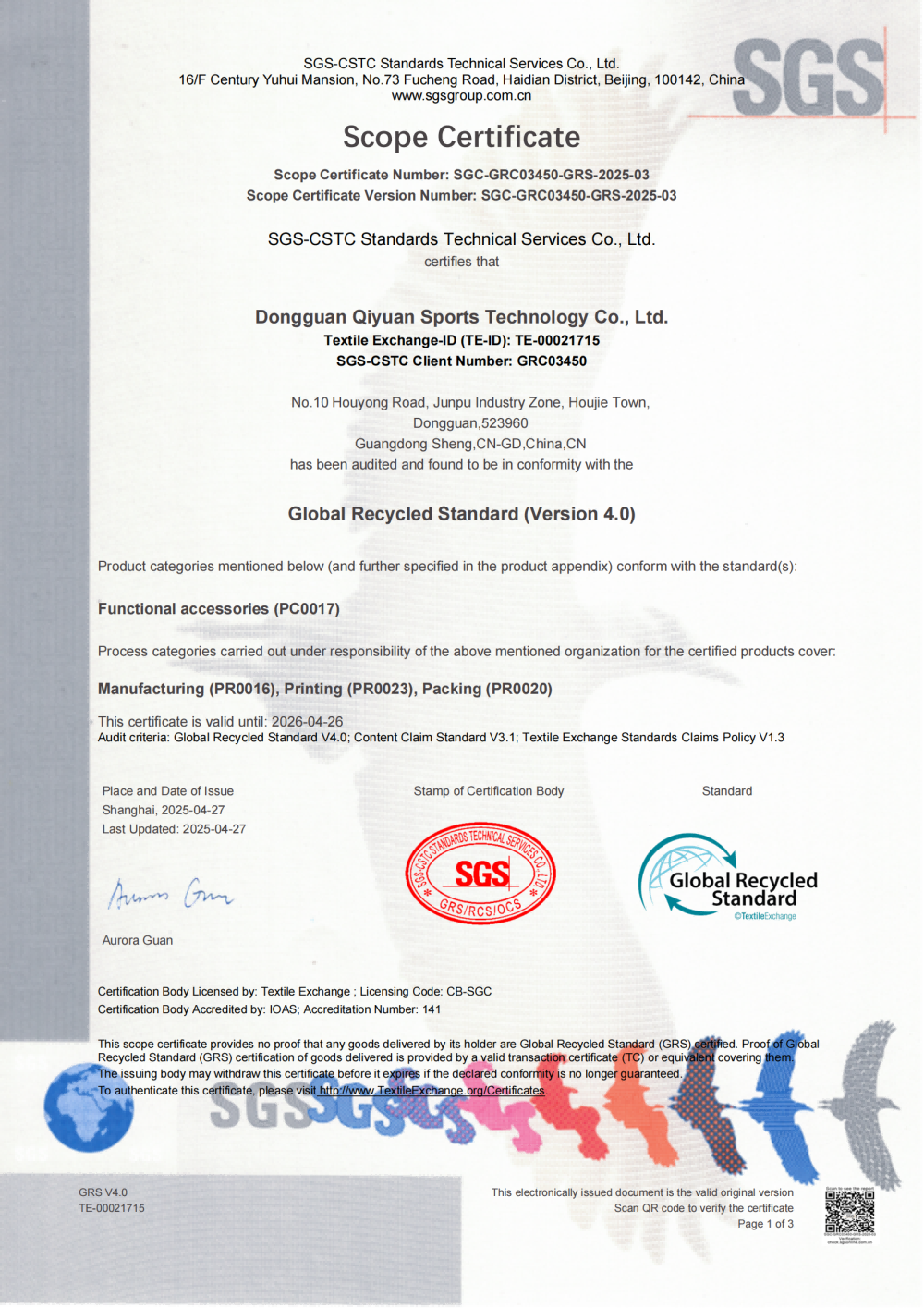
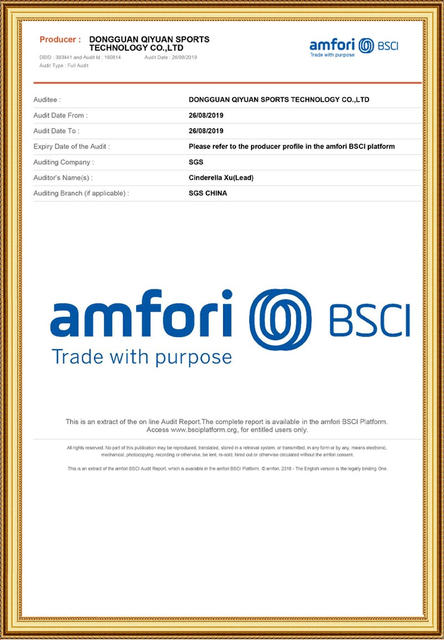
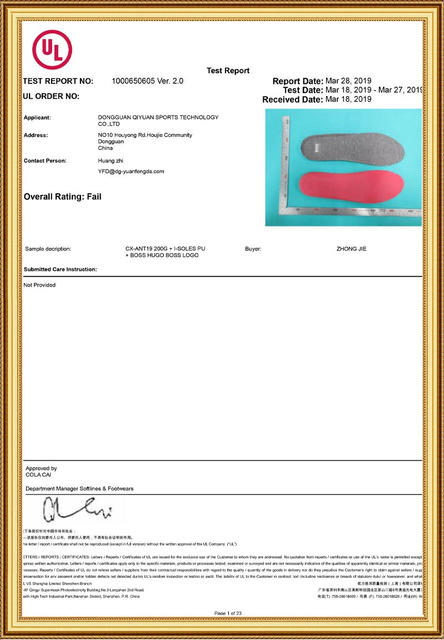
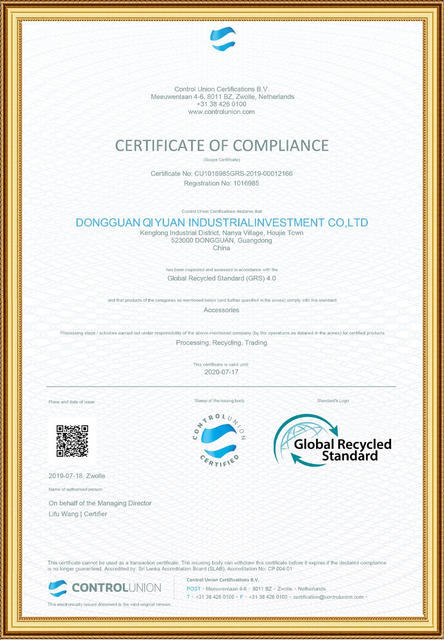
Foamwell has been approved the ISO Certificate, BSCI, GRS, and owns lots of patents for the insole invention and designs.
Explore Our Complete Medical & Clinical Range
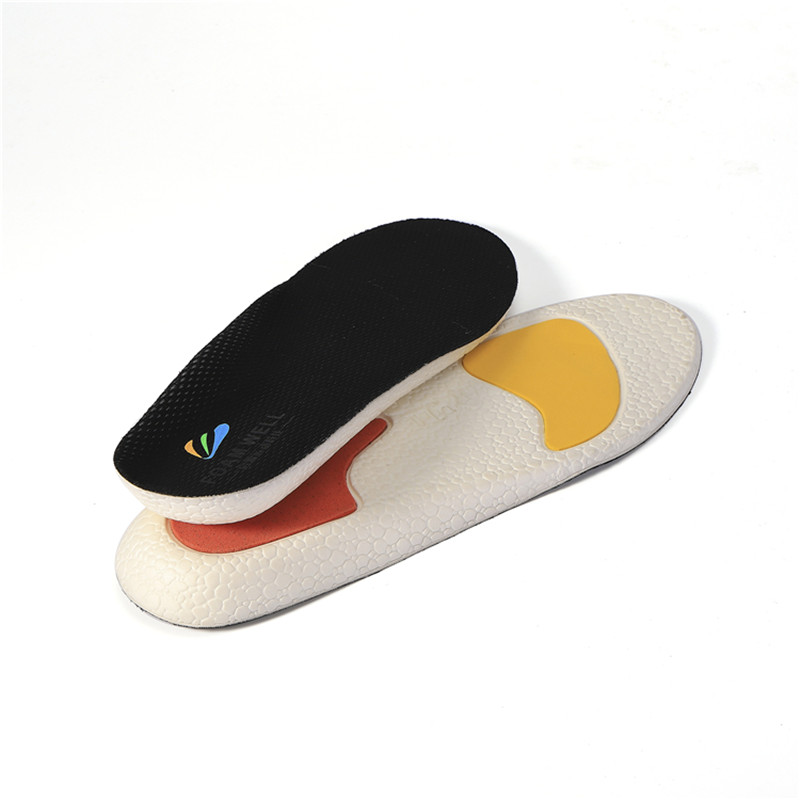
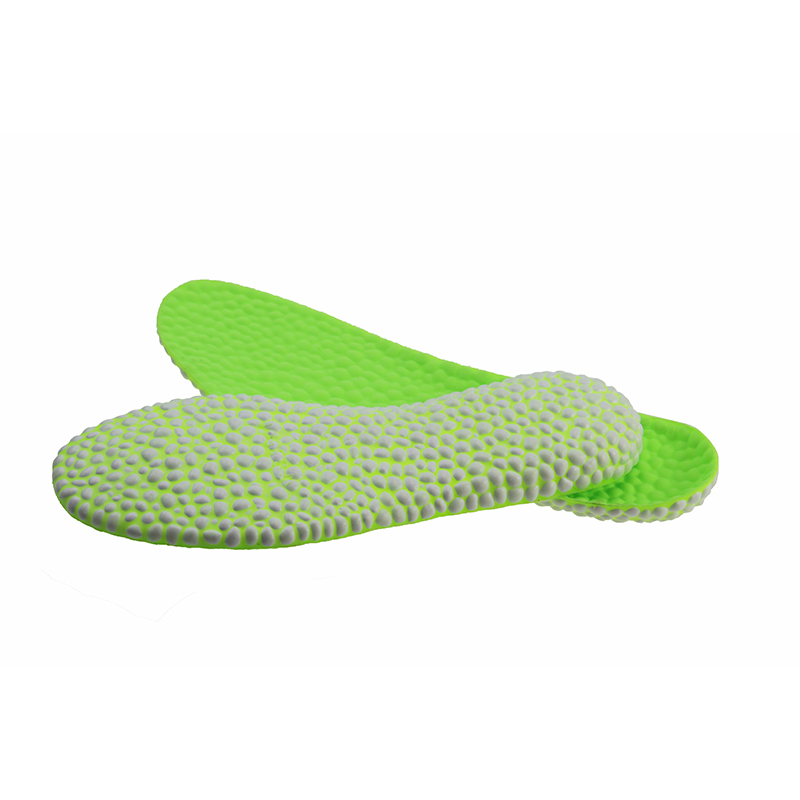
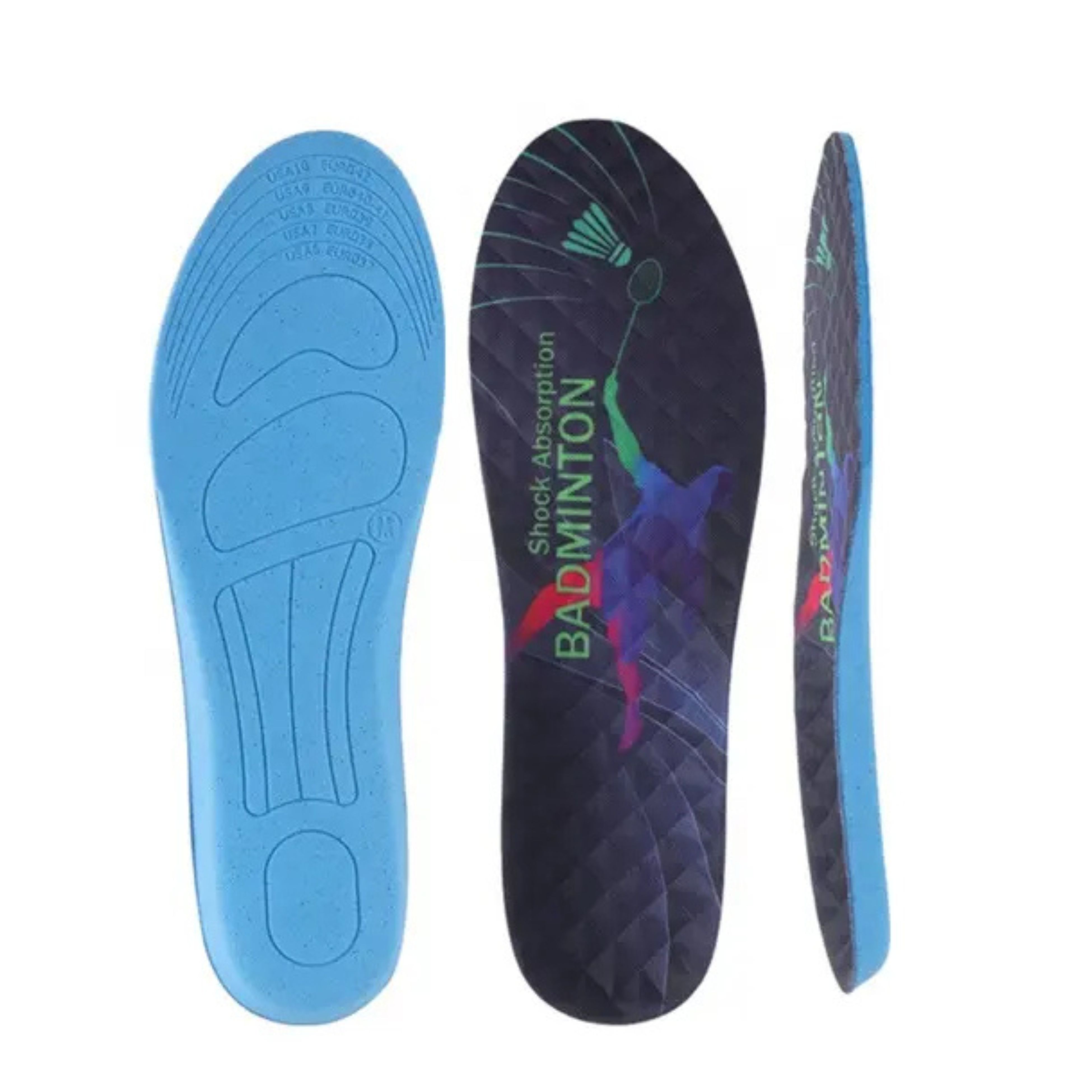
A comprehensive selection of advanced insoles designed for therapeutic recovery, pressure distribution, and long-term joint health.