
Featured Cleanroom-Compatible Solutions
Specially selected insoles optimized for electrostatic dissipation, fatigue relief, and cleanroom particulate compliance.
The Critical Role of ESD Control in Modern Microelectronics
In the high-stakes arena of electronics manufacturing, particularly within semiconductor fabrication and surface-mount technology (SMT) cleanrooms, electrostatic discharge (ESD) represents one of the most persistent and costly threats. A single electrostatic event, often imperceptible to human senses, can instantly destroy sensitive micro-components or induce latent defects that compromise product reliability weeks after delivery. Consequently, strict ESD compliance is enforced across cleanroom assembly floors globally.
While conductive flooring and specialized footwear are standard protocols, the critical interface of the shoe insole is frequently overlooked. Modern cleanroom shoe insoles must serve a dual purpose: ensuring a continuous, low-resistance electrical pathway to dissipate static charge safely to the ground, and providing structural, ergonomic support for workers who spend long hours standing on unforgiving epoxy or vinyl surfaces. Foamwell’s specialized ESD polyurethane (PU) insoles are designed to bridge this gap, combining reliable antistatic characteristics with advanced shock absorption.
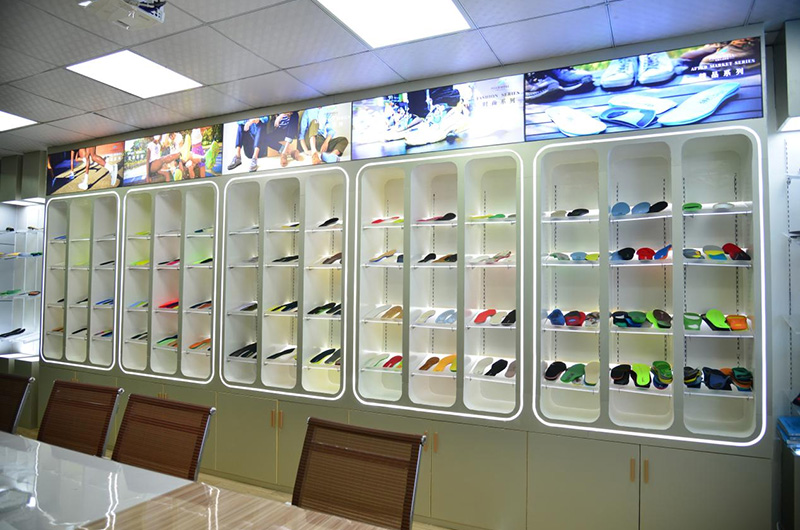
Ergonomic Challenges of Hard Assembly Floors
Cleanroom environments are engineered for cleanability and particulate control, which dictates the use of hard, non-porous flooring materials like conductive vinyl tiles, epoxy coatings, or raised metal panels. These surfaces offer zero compliance or cushioning. Operators and technicians on assembly lines frequently stand or walk on these rigid surfaces for 8 to 12-hour shifts. This prolonged standing without adequate underfoot cushioning leads to significant physical fatigue, lower back pain, plantar fasciitis, and joint strain.
Physical fatigue directly correlates with a decline in worker concentration and manual dexterity, which in turn increases assembly errors and compromises product yield. By integrating orthotic arch support, shock-absorbing heel cups, and specialized dual-density PU foams, cleanroom insoles act as a crucial ergonomic intervention. They distribute body weight evenly across the foot, absorb impact forces, and reduce muscle fatigue, thereby maintaining worker productivity and reducing absenteeism due to musculoskeletal disorders.
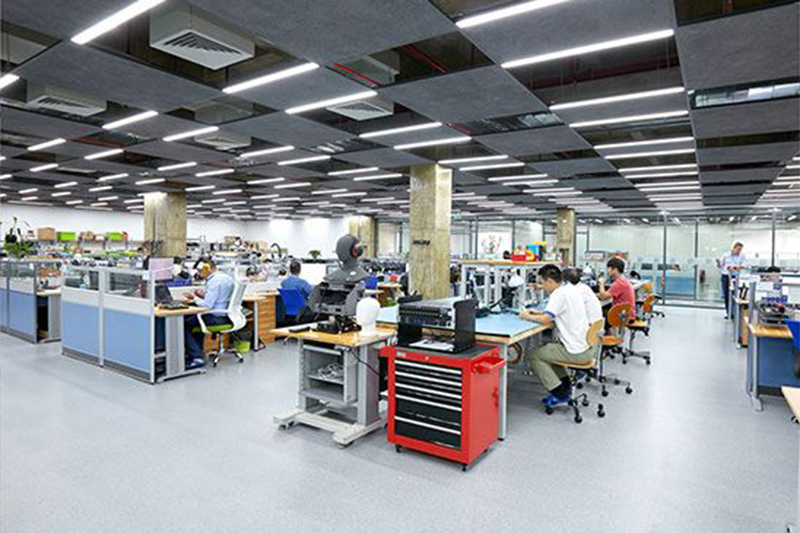
Material Integrity: Anti-static Properties & Cleanroom Compatibility
Standard consumer insoles are entirely unsuitable for cleanroom environments. They frequently shed micro-particles, outgas volatile organic compounds (VOCs) that can contaminate silicon wafers, and fail to provide stable electrical conductivity. Cleanroom-compatible insoles require precise material engineering. Foamwell utilizes high-density, breathable, open-cell polyurethane foam integrated with conductive carbon fibers or antistatic compounds to achieve a stable resistance range of 1.0 x 10^5 to 1.0 x 10^9 ohms, complying fully with ANSI/ESD S20.20 standards.
Additionally, these materials must exhibit exceptional durability. The mechanical stress of constant walking can rapidly degrade the conductive network in low-quality insoles. Foamwell’s proprietary formulations ensure that the antistatic properties remain stable throughout the lifetime of the insole, even under heavy compression. The open-cell structure also promotes airflow and moisture management, reducing sweat accumulation within cleanroom boots, which is a major contributor to bacterial growth and user discomfort.
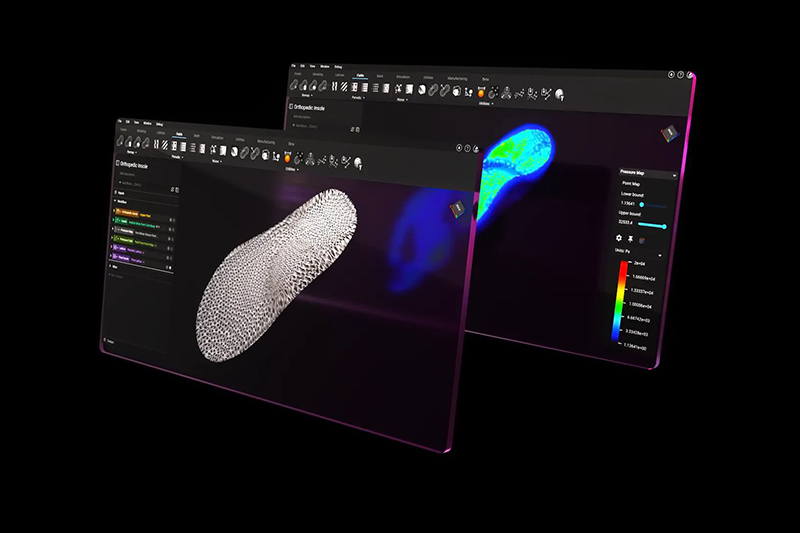
Industrial Trends: Automation, ESD Control, and Sustainability
As the electronics industry transitions toward Industry 4.0, cleanrooms are becoming increasingly automated. However, human operators remain essential for complex assembly, quality inspection, and machine maintenance. With electronic components becoming smaller and more sensitive (e.g., sub-5nm semiconductor nodes), the tolerance for ESD events is virtually zero. This has driven the demand for more reliable and comprehensive personal grounding systems, including advanced ESD insoles.
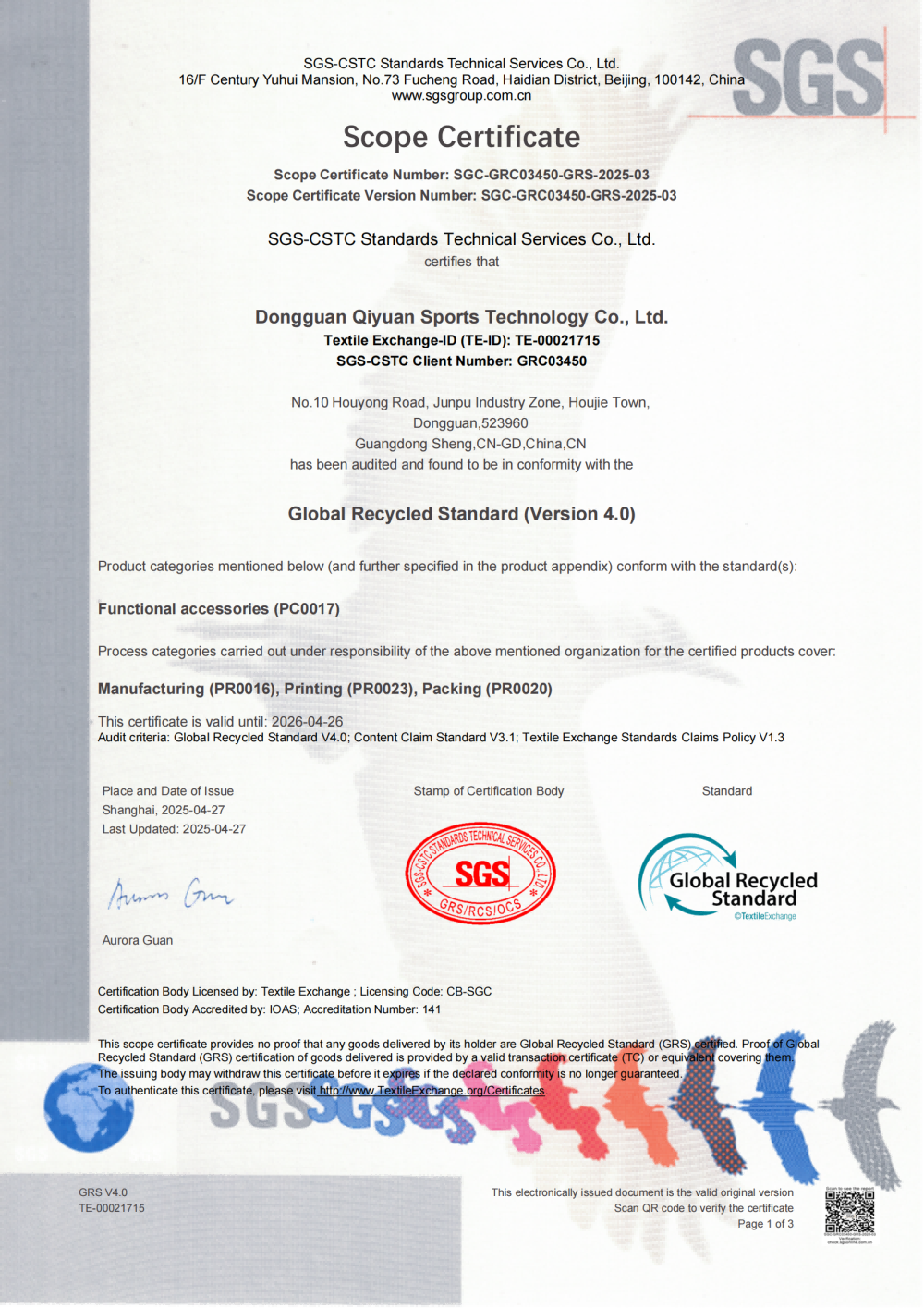
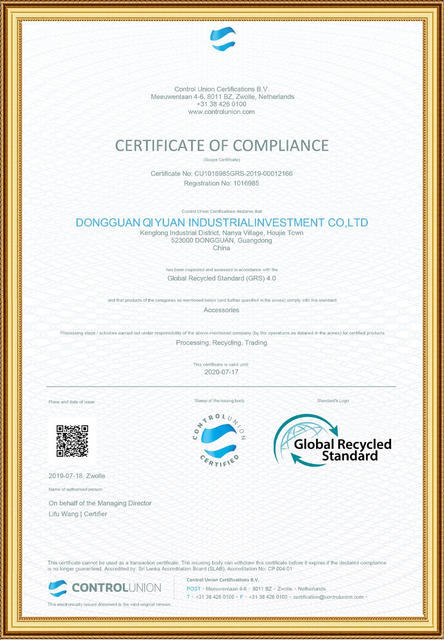
Simultaneously, global electronics brands are prioritizing environmental sustainability across their supply chains. Cleanroom consumables and safety gear are no exception. There is a growing trend toward using recycled and bio-based materials in protective equipment. Foamwell is leading this shift by developing GRS-certified recycled PU foams and bio-based elastomers that deliver the same high-performance ESD and cushioning properties as virgin petroleum-based polymers, helping manufacturers minimize their carbon footprint without sacrificing safety or performance.
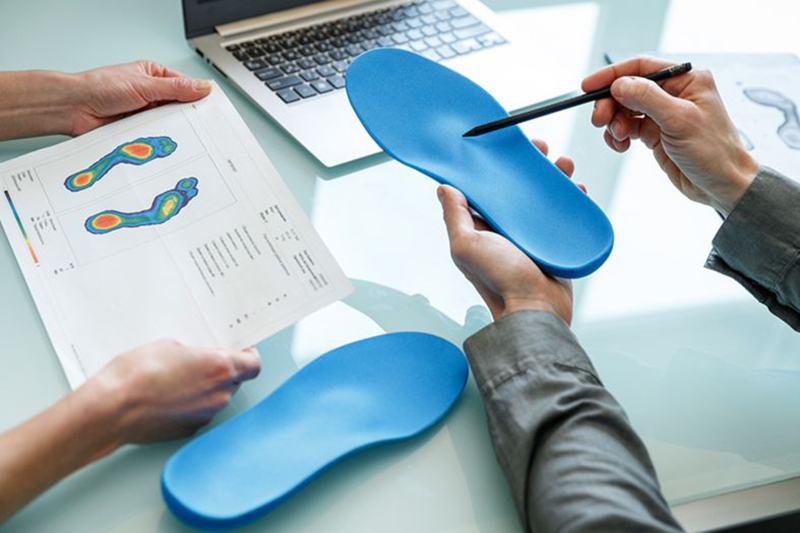
We Are Around Everywhere You Need Us To Be!
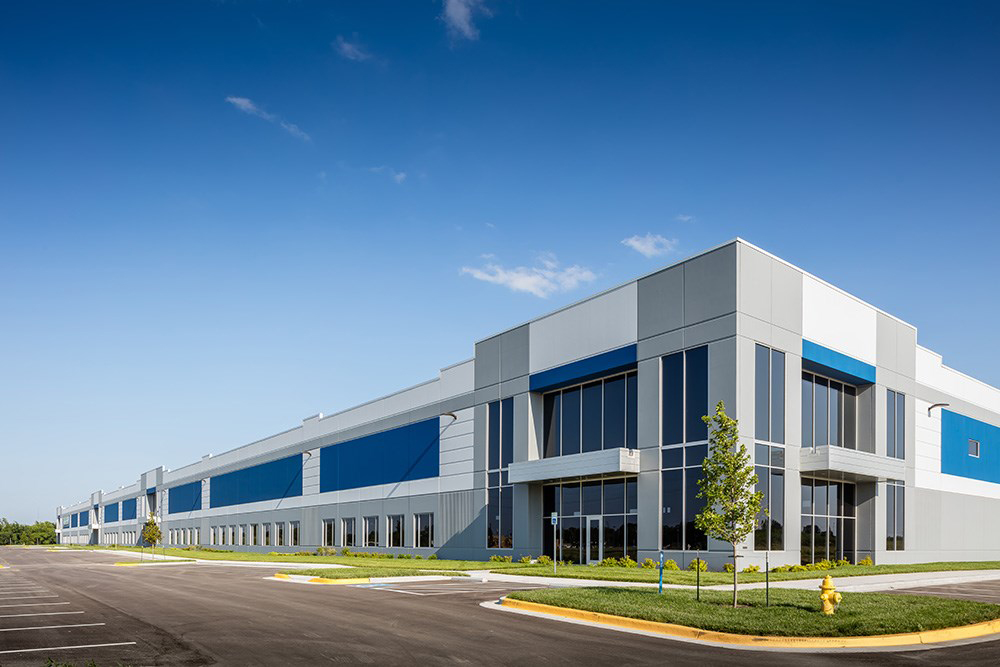
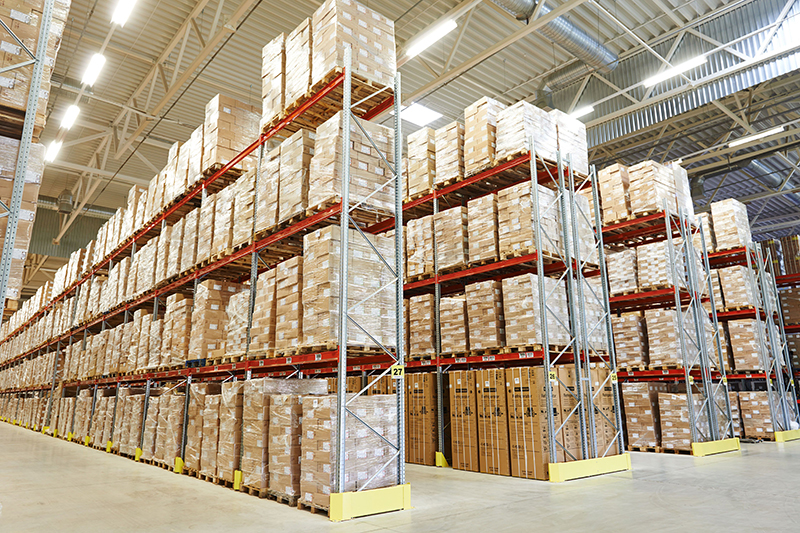
Global Factory: Foamwell is registered in Hong Kong with production facilities in China, Vietnam and Indonesia, specializing in the development and manufacturing of sustainable environmentally friendly PU Foam, Memory Foam, Patent Polylite Elastic Foam, Polymer Latex; Foamwell also focuses on the development and manufacturing of EVA, PU, LATEX, TPE, PORON, POLYLITE, Supercritical Foaming insoles, PU Orthotic insole, Customized insoles, Heightening insoles, High-tech insoles, and products for foot care. Foamwell excels in innovating increases of comfort, shock absorption, breathability, high resilience, orthotic treatments, nanoscale deodorization, silver ion antibacterial, ESD, and Bio elements.
Quality Control
Our vision is to customize and produce products for foot health with incomparable comfort and high performance for every customer.
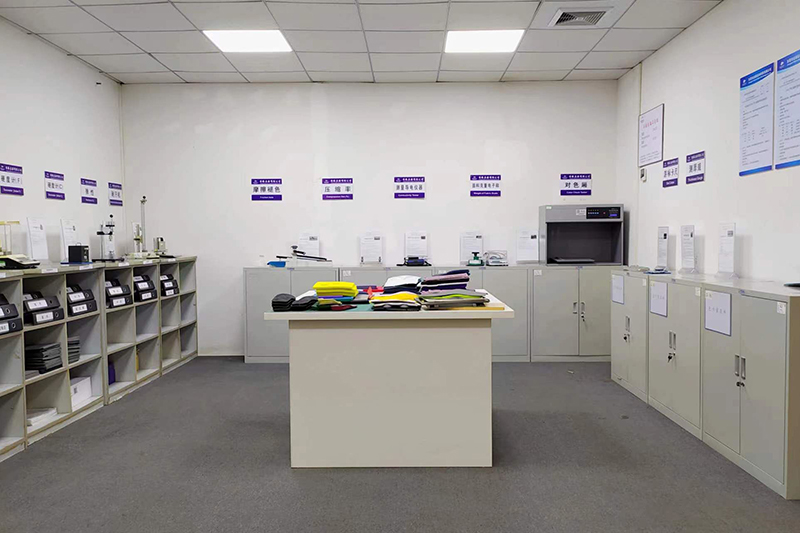
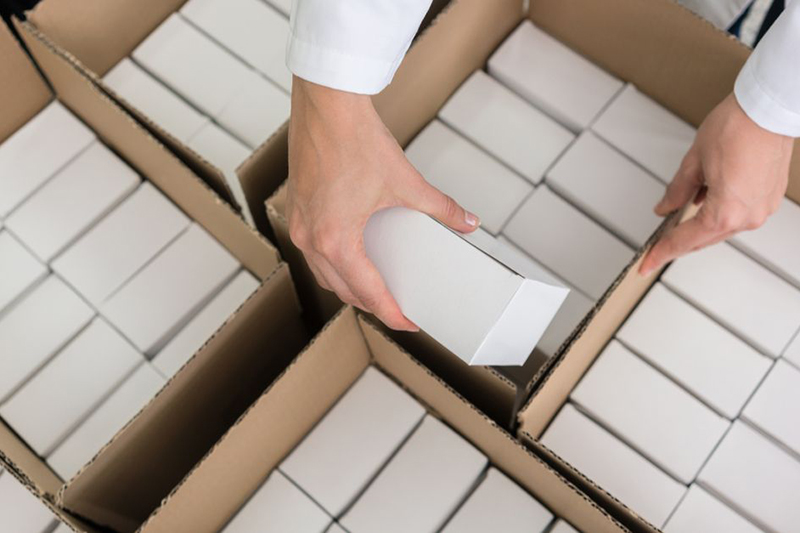
Foamwell in-house Testing Laboratory plays a key role in our company’s business. It is formed by a group of specialists to ensure the quality standard for each product from incoming material to ready-to-ship process, to provide customers with the very best product.
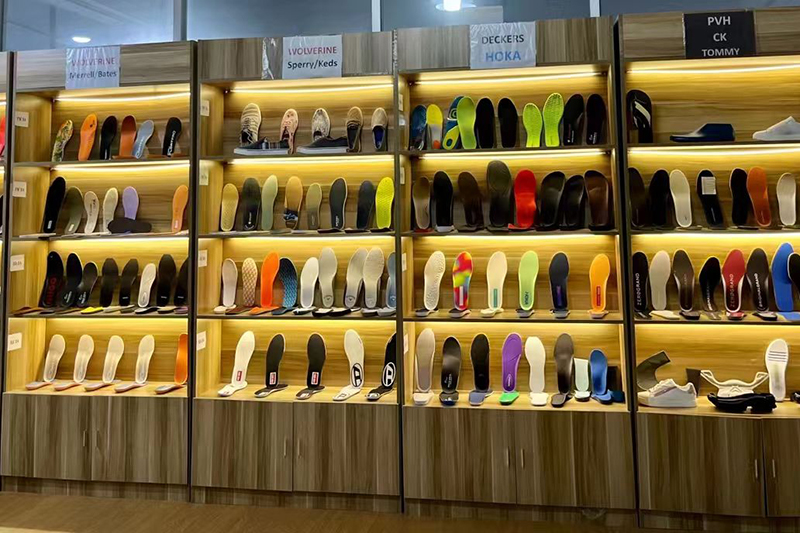
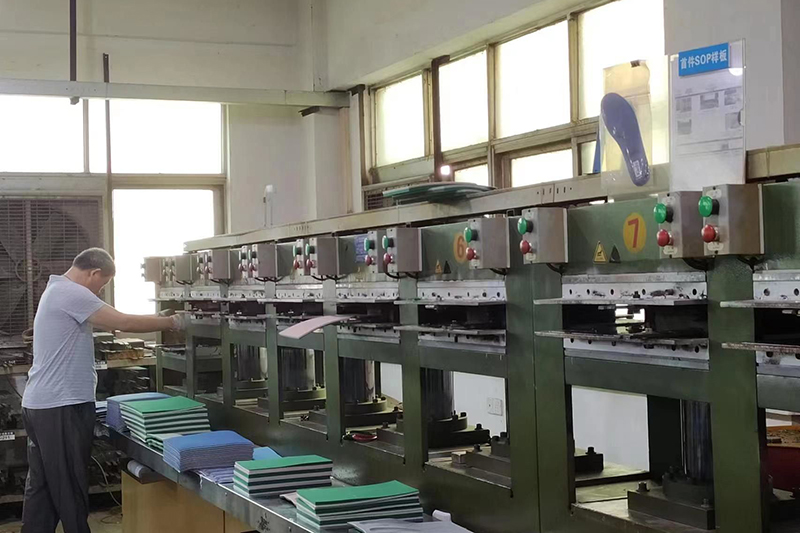
Foamwell Advantages
Our vision is to customize and produce products for foot health with incomparable comfort and high performance for every customer.
Why Choose Us
Our vision is to customize and produce products for foot health with incomparable comfort and high performance for every customer.
Time Effectiveness
3-5 days for design, 5-7 days for samples, 30-35 days for bulk order delivery.
Cost Effectiveness
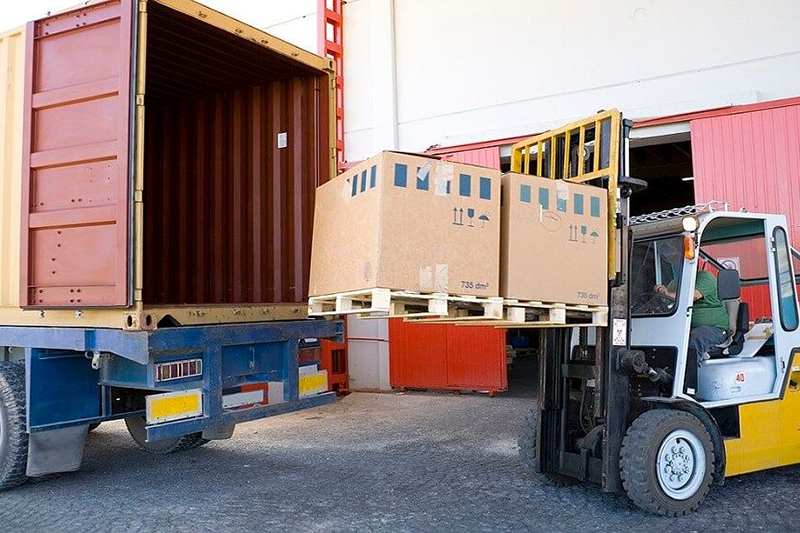
With production facility in China, Vietnam, Indonesia for local delivery and service to minimize the cost.
Environmental Friendly
Process with recycled/bio-based material and energy-efficient production method to minimize carbon footprint.
Targeted Cleanroom & Electronic Assembly Scenarios
Our ESD insoles are engineered for specific, high-standard industrial environments where safety and comfort cannot be compromised.
1. Semiconductor Fabrication Cleanrooms (ISO Class 3-5)
In front-end wafer fabrication facilities, the control of airborne molecular contamination (AMC) and electrostatic charge is critical. Even minute levels of outgassing from safety gear can ruin silicon substrates. Foamwell's specialized ESD insoles utilize low-outgassing, medical-grade polyurethane that has been vacuum-tested to ensure zero chemical shedding. The precise electrical conductivity ensures that operators moving between lithography, etching, and deposition tools do not generate triboelectric charges that could attract dust particles or cause ESD events near exposed wafers.
2. Surface Mount Technology (SMT) & PCB Assembly Lines
SMT assembly lines involve high-speed pick-and-place machinery, reflow ovens, and manual rework stations. Workers at these stations stand for long periods on conductive ESD mats. Foamwell's dual-density insoles provide targeted arch support and heel cushioning, reducing the physical fatigue associated with standing in fixed positions. The reliable grounding path through the insole to ESD footwear prevents static buildup when workers handle sensitive microcontrollers, RF modules, and high-density memory chips.
3. Flat Panel Display (OLED/LCD) Assembly Floors
Large-format display manufacturing requires large cleanrooms where operators walk extensive distances along the production line to monitor automated systems. This constant walking generates significant friction, increasing the risk of static accumulation. Our breathable, high-resilience ESD insoles are designed for dynamic use, offering constant static dissipation during movement. The moisture-wicking technology prevents sweat buildup, maintaining a stable resistance profile even during long shifts.
4. Aerospace & Defense Electronics Cleanrooms
Aerospace electronics demand the highest levels of reliability, as component failure is not an option. Cleanrooms assembling satellite payloads, guidance systems, and military avionics operate under strict quality and safety certifications. Foamwell's insoles provide certified ESD protection that complies with defense-grade safety requirements, ensuring that technicians assembling high-value, mission-critical electronics do not cause latent ESD damage that could manifest during flight operations.
Certificates
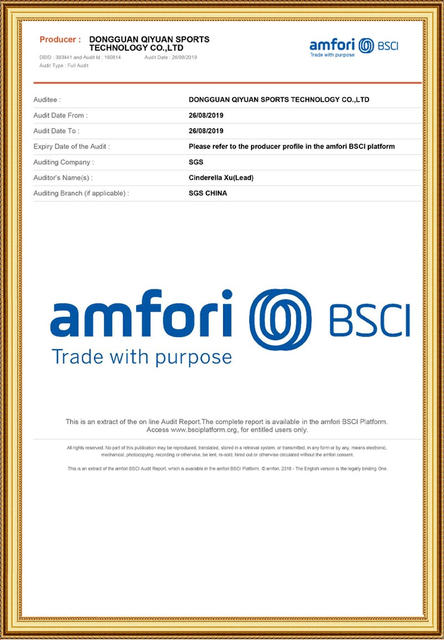
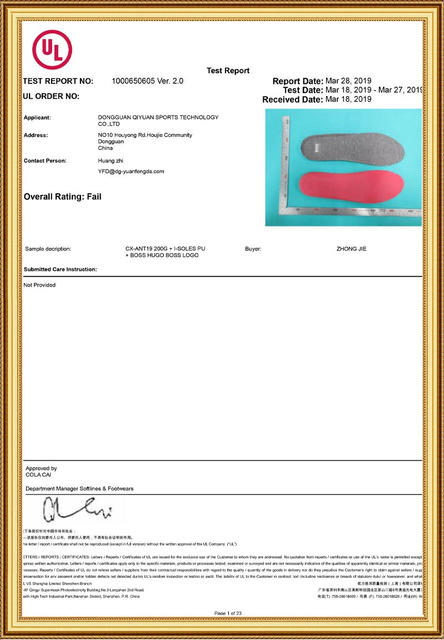
Foamwell has been approved the ISO Certificate, BSCI, GRS, and owns lots of patents for the insole invention and designs.
Our Complete Insole Product Line
Explore our full range of high-performance, comfortable, and specialized orthotic insoles designed for industrial and commercial use.
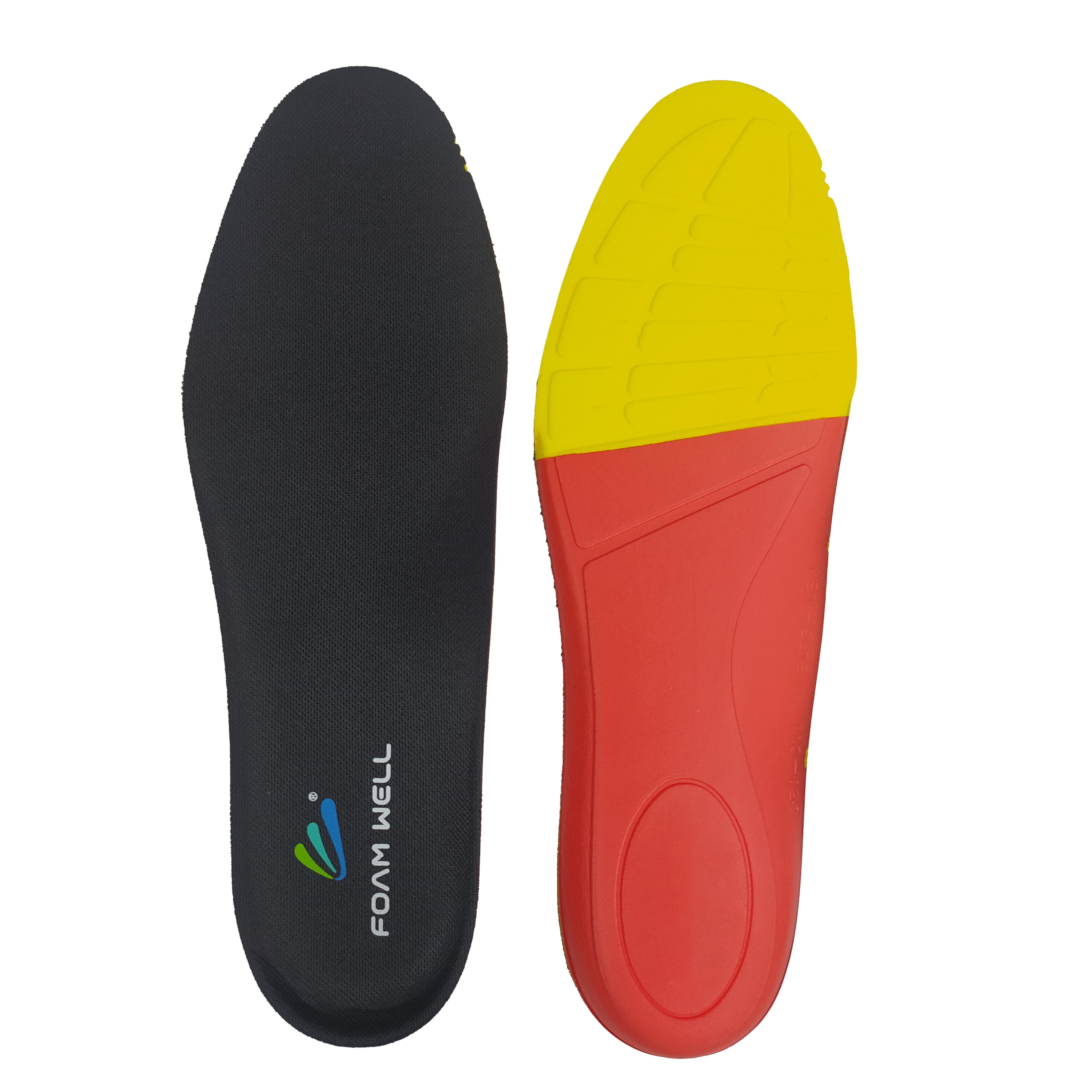 Dual-Density Breathable PU Insole with Peak Foam R50 Heel Cup
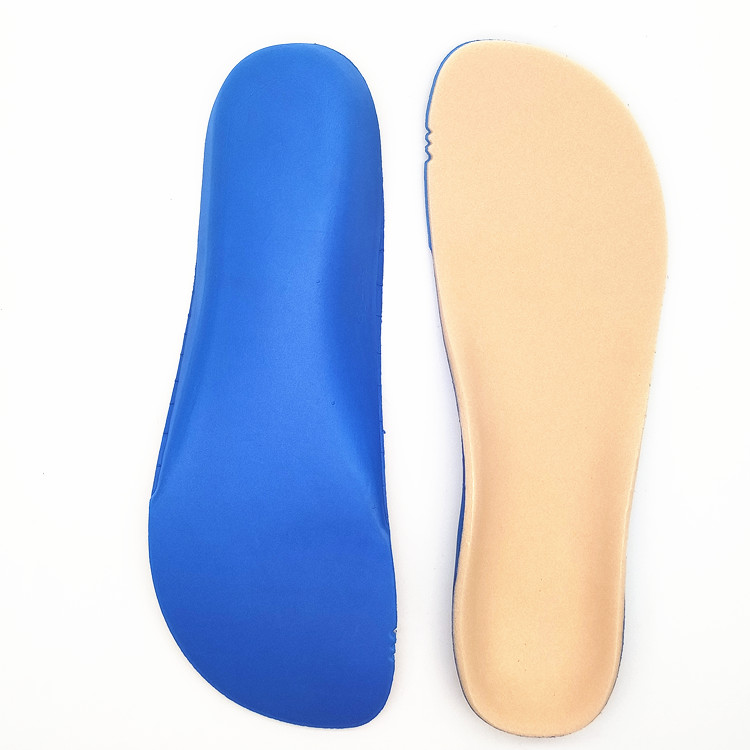 Foamwell Zote Foam Diabetic Medical Insole
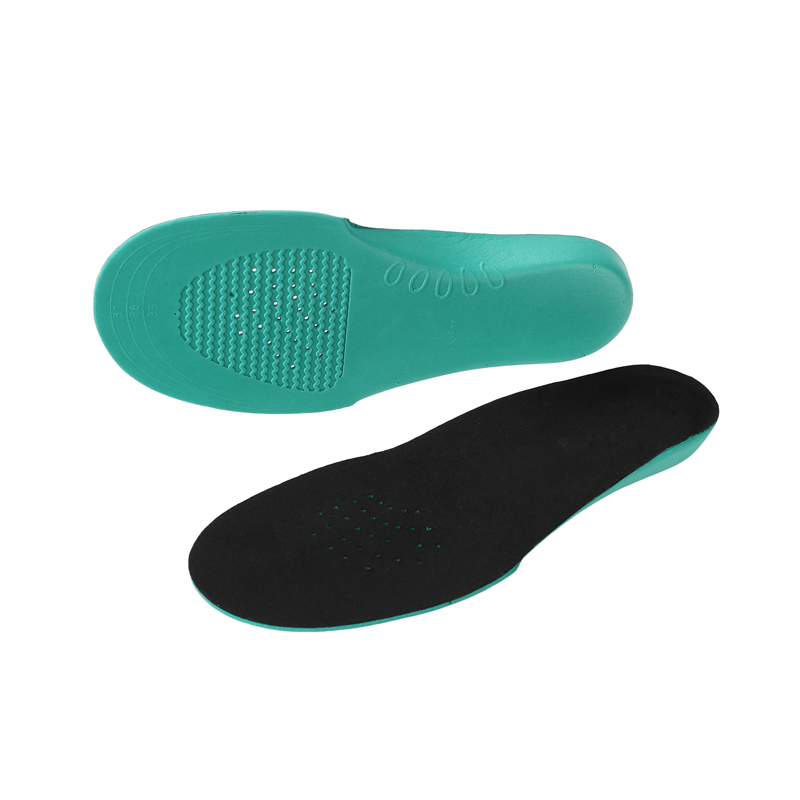 Foamwell Kids Orthotic lnsole
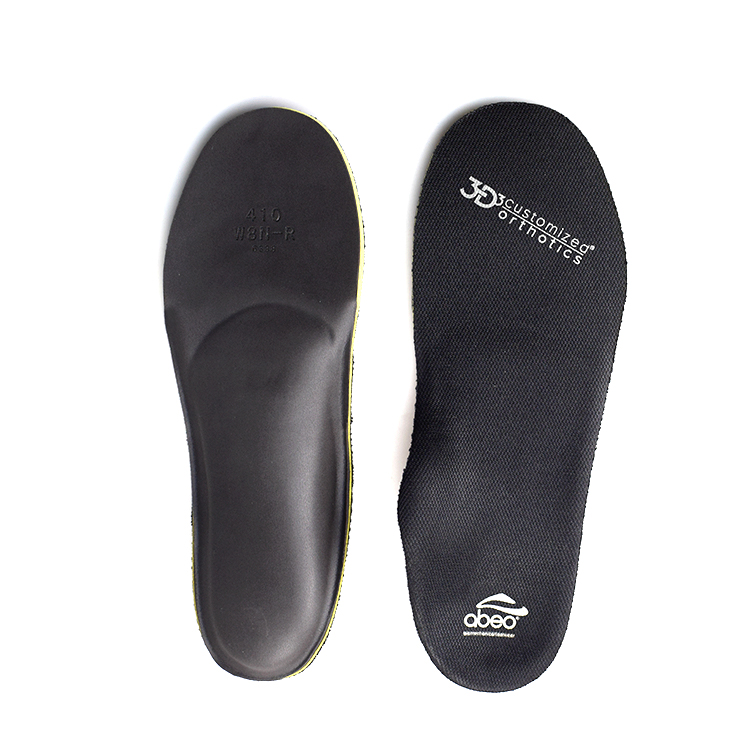 Foamwell Premiun Cork Arch Support Orthotic Insole
 ESD Insole Antistatic PU Insole
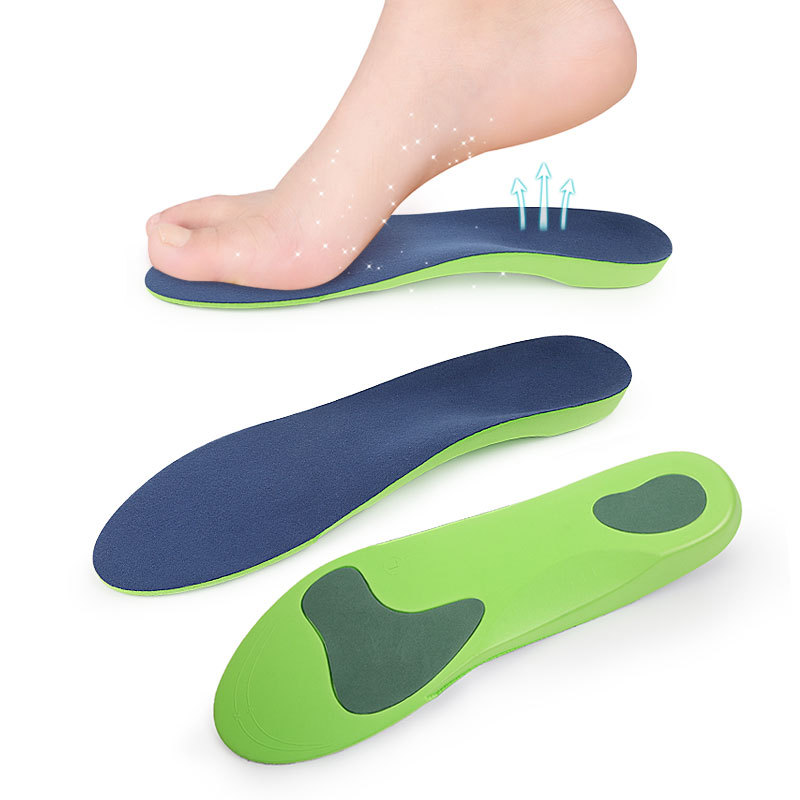 Comfort Orthotic Arch Support Insoles
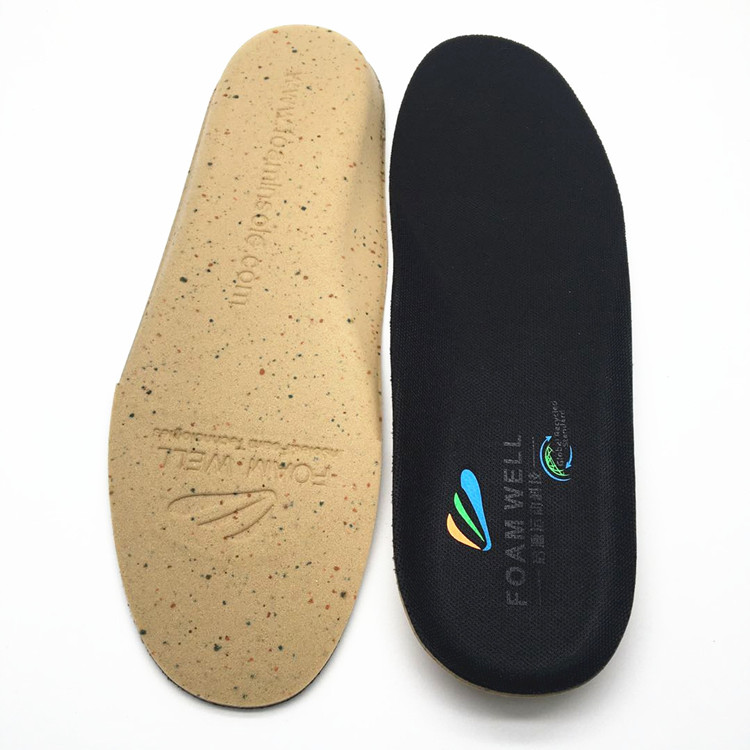 Foamwell GRS 50% Recycled PU Foam Comfort Breathable Insole
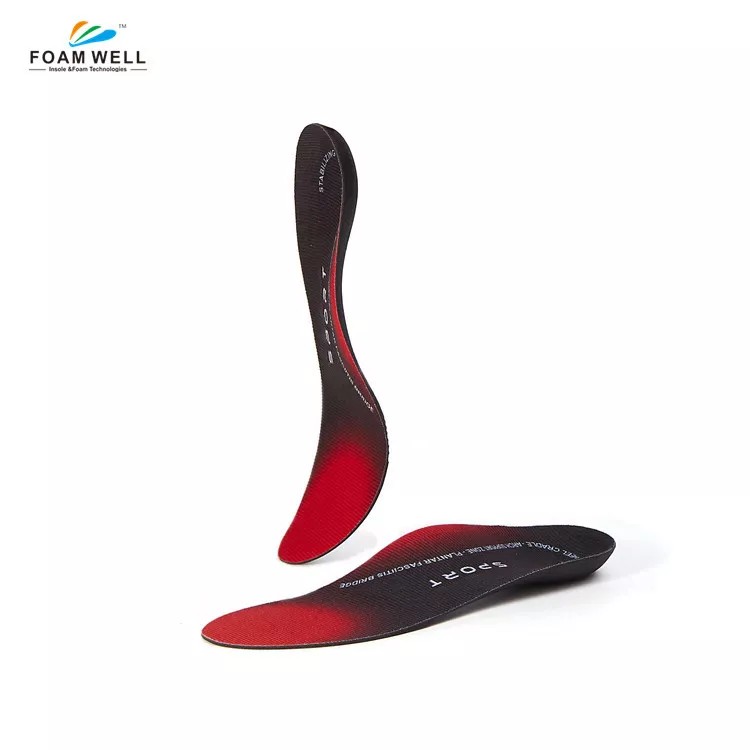 Arch Support Orthotic Insole