Innovative Thermal Solutions
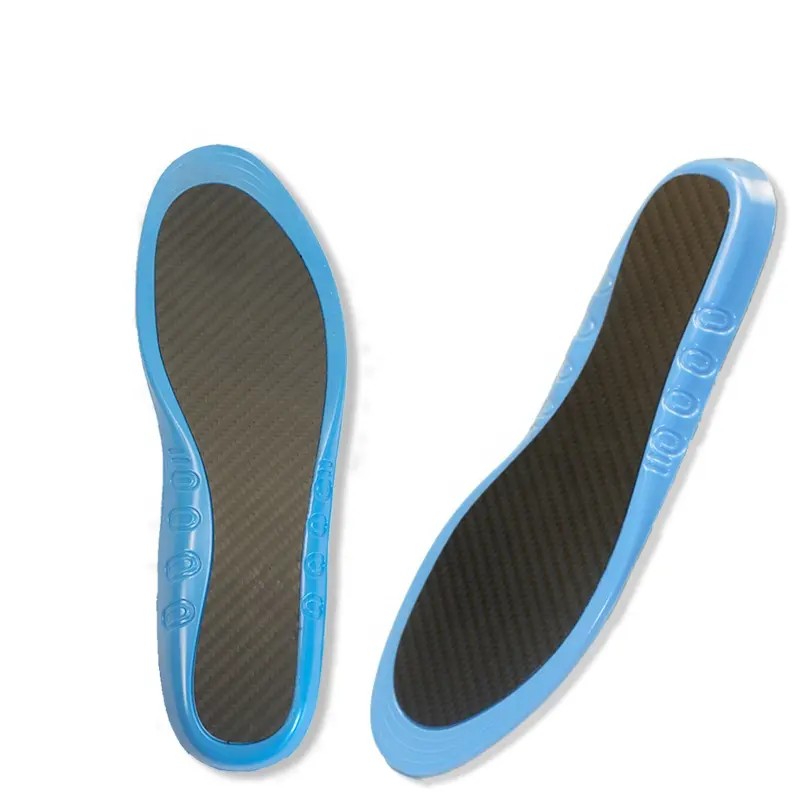
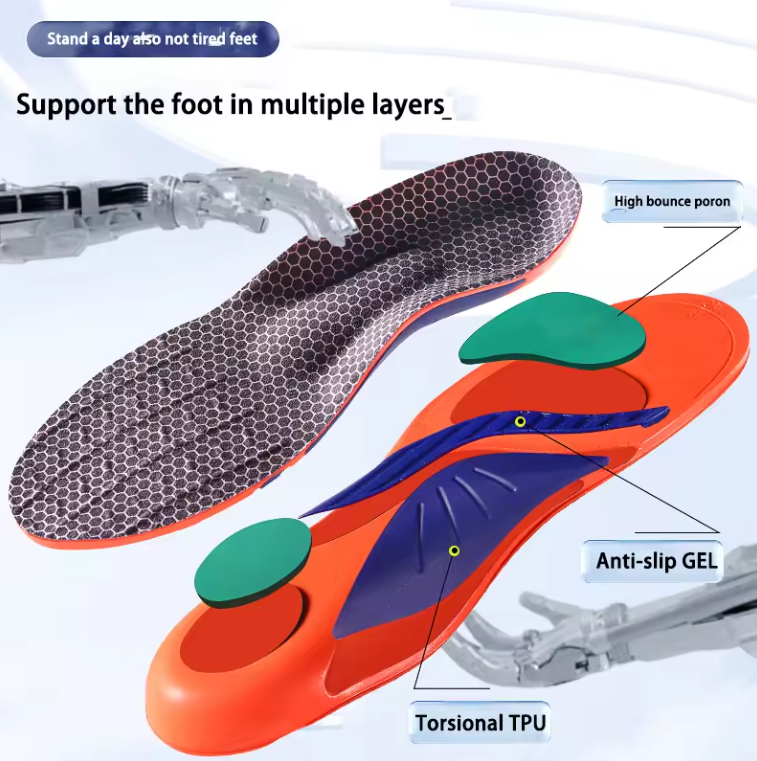

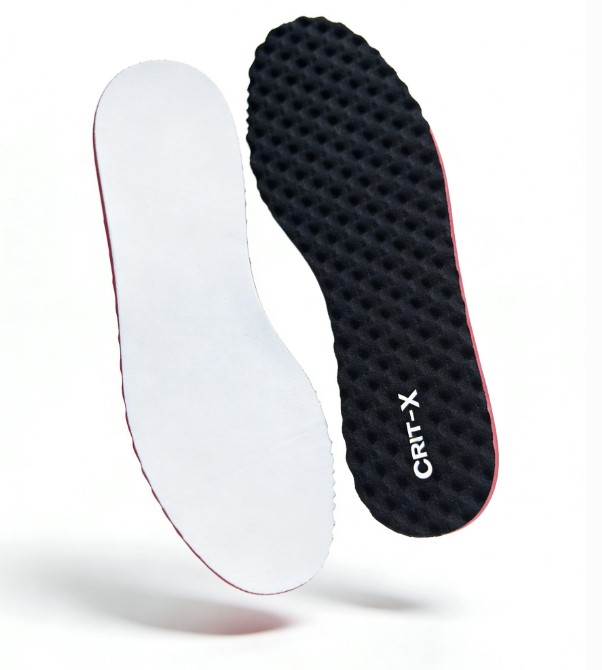
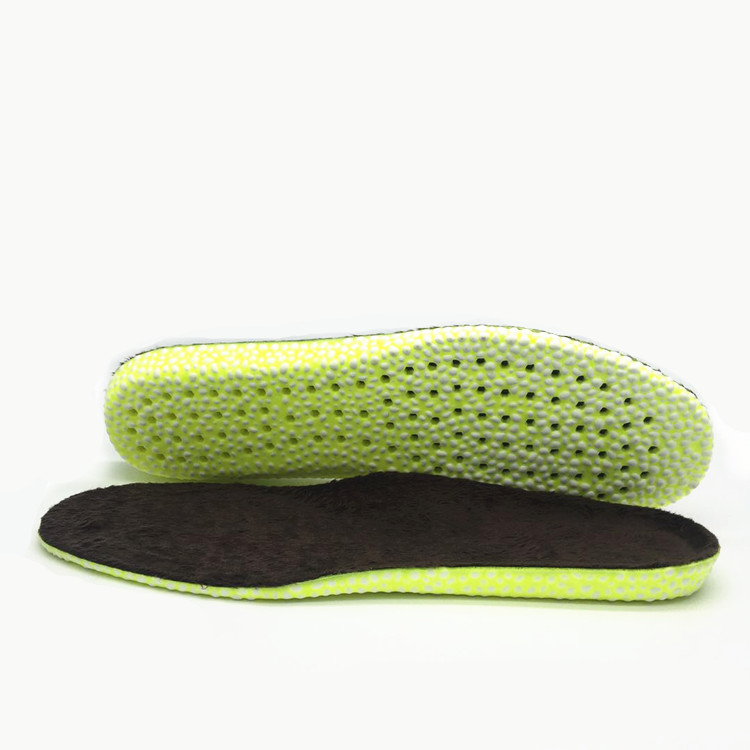
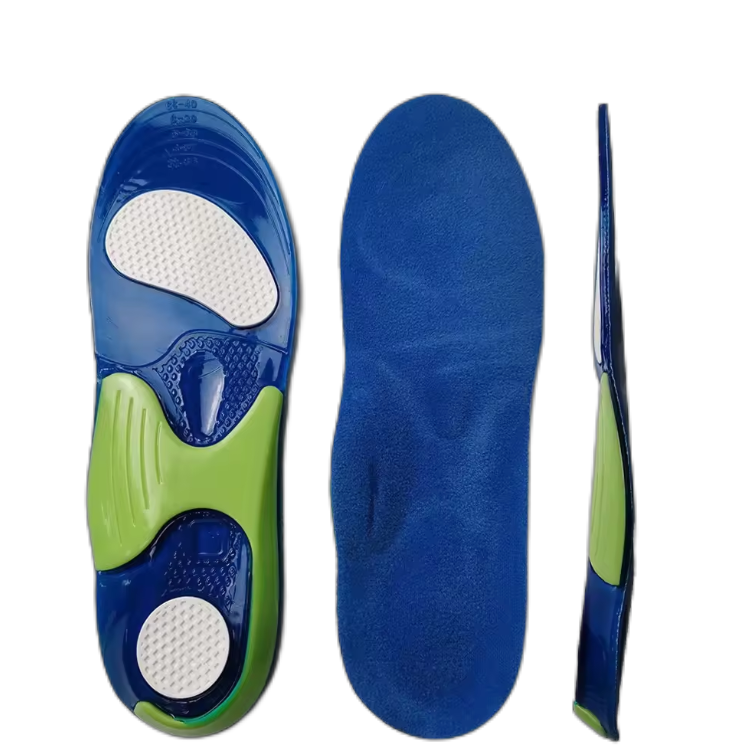
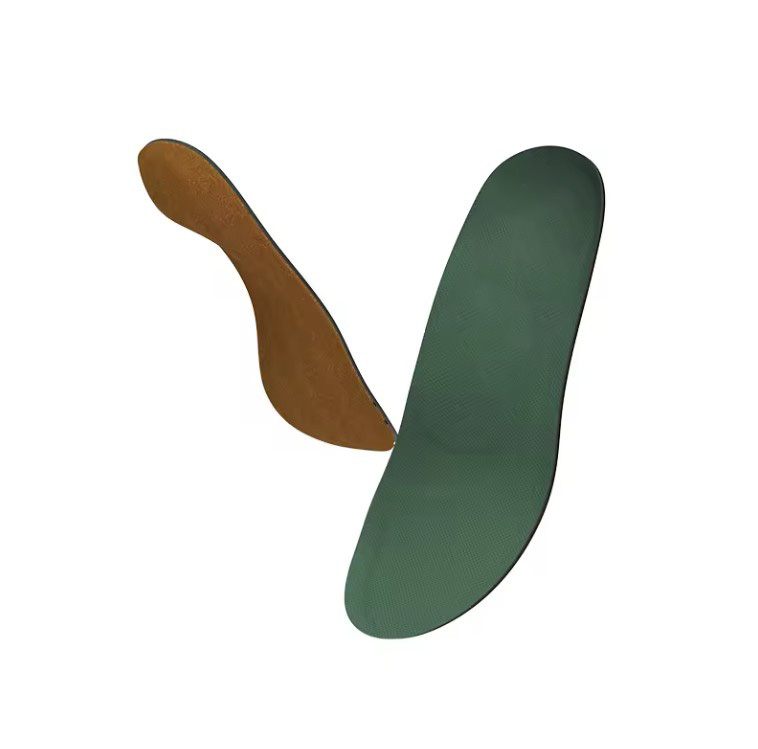
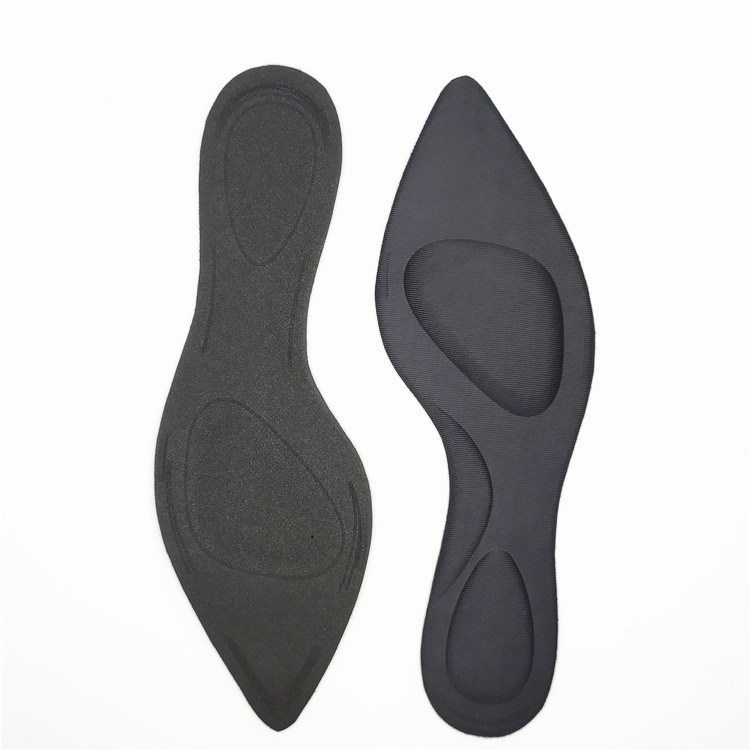
Explore our primary range of insoles engineered for high-altitude insulation and superior structural performance in extreme freezing conditions.
We Are Around Everywhere You Need Us To Be!
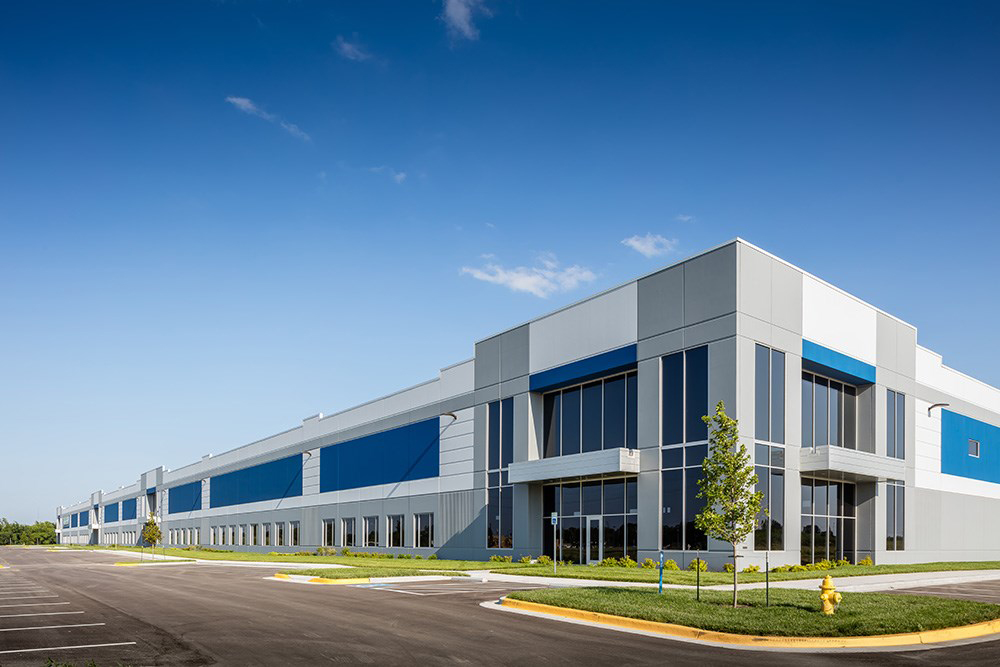
Global Factory & Supply Chain
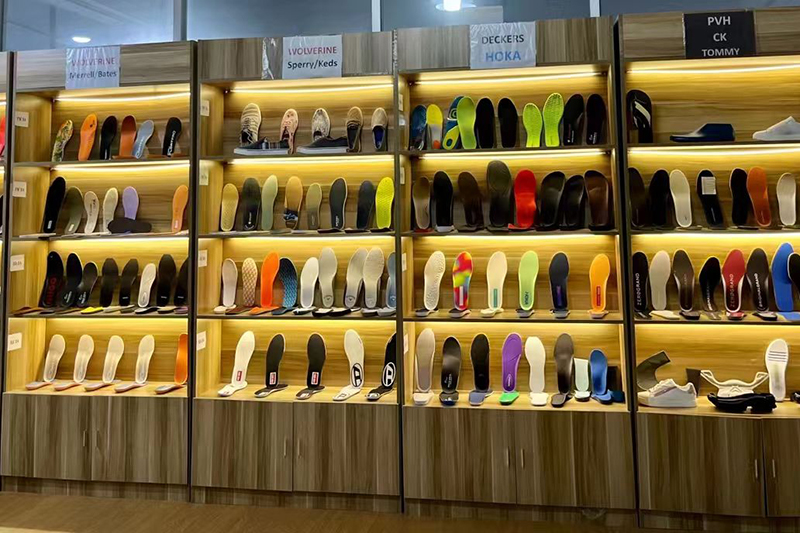
Foamwell is registered in Hong Kong with production facilities in China, Vietnam and Indonesia, specializing in the development and manufacturing of sustainable environmentally friendly PU Foam, Memory Foam, Patent Polylite Elastic Foam, Polymer Latex; Foamwell also focuses on the development and manufacturing of EVA, PU, LATEX, TPE, PORON, POLYLITE, Supercritical Foaming insoles, PU Orthotic insole, Customized insoles, Heightening insoles, High-tech insoles, and products for foot care.
Foamwell excels in innovating increases of comfort, shock absorption, breathability, high resilience, orthotic treatments, nanoscale deodorization, silver ion antibacterial, ESD, and Bio elements.
Industrial Status: Sustainable Insole Manufacturing for Extreme Environments
The global outdoor footwear industry is undergoing a structural transition. Historically, technical mountaineering boots designed for sub-zero alpine conditions relied heavily on petroleum-derived, dense synthetic rubbers and traditional Ethylene-Vinyl Acetate (EVA) to provide insulation and structural rigidity. However, modern environmental mandates, carbon neutrality initiatives, and consumer demand for eco-friendly products have forced a major shift. Today, the role of a sustainable insole manufacturer extends far beyond basic cushioning; it requires combining advanced thermal engineering with eco-friendly polymer chemistry.
In extreme cold-weather mountaineering (altitudes exceeding 5,000 meters and temperatures dropping below -40°C), the insole is the primary thermal barrier between the mountaineer’s foot and the frozen ground. Traditional materials lose their elasticity, become brittle, and conduct cold rapidly. As an industry leader, Foamwell addresses these challenges by developing bio-based polyurethane (PU) foams, supercritical physical foaming structures, and recycled polymer lattices. These materials maintain structural integrity and thermal resistance in the most hostile environments on Earth, setting a new standard for high-performance sustainable footwear.
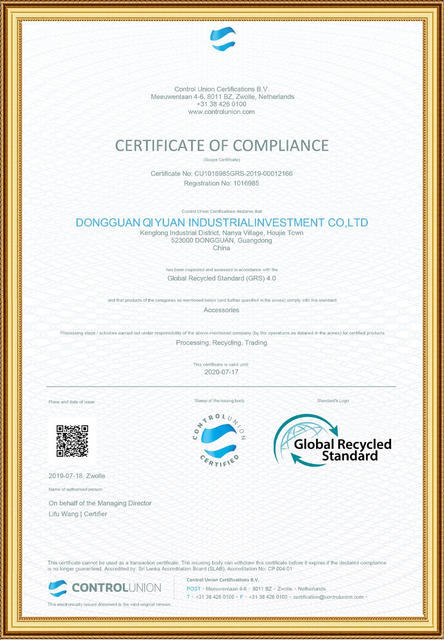
Furthermore, industrial regulations such as the Global Recycled Standard (GRS) and the European Union’s strict chemical guidelines (REACH) are reshaping supply chains. Manufacturers must prove that their materials are sustainably sourced, energy-efficiently processed, and free from hazardous chemicals. This regulatory pressure has driven major mountaineering brands to seek certified OEM/ODM partners capable of delivering high-performance, eco-friendly insoles that meet both extreme safety standards and strict environmental requirements.
Critical Challenges in Extreme Cold-Weather Mountaineering Boots
Designing insoles for extreme cold-weather mountaineering boots presents unique material science challenges. Standard athletic insoles fail immediately in alpine environments due to several factors:
- Thermal Conduction: Cold transfers rapidly from crampons and boot outsoles. Insoles must act as a barrier, utilizing trapped air pockets (like supercritical micro-cells) to prevent heat loss.
- Sub-Zero Brittleness (Glass Transition Temperature): Standard polymers harden and lose shock-absorbing properties in extreme cold. Foamwell's custom formulations remain flexible at temperatures as low as -50°C.
- Moisture Accumulation & Freezing: Perspiration from the foot can freeze inside the boot, leading to frostbite. High breathability and moisture-wicking properties are essential to keep the foot dry.
- High-Impact Compression Set: Carrying heavy loads over rough terrain compresses insoles. Under extreme cold, compressed foam often fails to rebound, causing discomfort and reduced insulation.
To overcome these obstacles, sustainable insoles must combine low thermal conductivity with high resilience. By pairing eco-friendly foams with structural stabilizers like carbon fiber plates, manufacturers can create insoles that support the foot, prevent heat loss, and withstand the physical demands of high-altitude climbing.
Development Trends: The Future of Eco-Friendly Alpine Footwear
The future of extreme cold-weather mountaineering insoles lies in material innovation and eco-friendly manufacturing. Several key trends are shaping the industry:
1. Supercritical Fluid Foaming Technology: Traditional chemical blowing agents release volatile organic compounds (VOCs) and greenhouse gases. Supercritical foaming uses inert gases like nitrogen ($N_2$) or carbon dioxide ($CO_2$) to create a microcellular structure. This process is cleaner and produces a lighter, more resilient, and highly insulating foam ideal for extreme cold.
2. Bio-Based and Plant-Derived Polymers: Manufacturers are replacing petroleum-based raw materials with renewable resources, such as castor oil, corn starch, and natural latex. Foamwell's Polylite elastic foam utilizes these bio-based ingredients to reduce carbon footprint without compromising the physical properties required for technical mountain boots.
3. Circular Economy & Recycled Materials: Integrating post-industrial and post-consumer recycled plastics (such as ocean-bound PET) into the insole fabric and structural supports is becoming standard practice. Under GRS certification, these materials are tracked throughout the supply chain, ensuring transparency for eco-conscious brands and consumers.
4. Hybrid Thermal Barriers: Combining sustainable foams with advanced insulating materials like aerogels or reflective foil layers is a growing trend. These hybrid systems reflect radiant heat back to the foot while blocking cold from the sole, maximizing warmth without adding bulk.
In-Depth Application Scenarios in Polar and Alpine Environments
Sustainable, extreme cold-weather insoles are designed for diverse, high-stakes application scenarios, each demanding specific performance characteristics:
High-Altitude Mountaineering
For climbs above 8,000 meters, insoles must offer maximum thermal protection. Carbon fiber stabilizers prevent torsional twist on steep ice slopes, while supercritical EVA layers provide critical insulation against frozen terrain.
Polar Exploration & Trekking
Long-distance polar expeditions require exceptional moisture management. Open-cell, bio-based PU foams wick sweat away from the skin, preventing moisture from freezing and keeping feet dry and warm over weeks of trekking.
Tactical Winter Operations
Military and rescue operations in sub-zero climates require durable, shock-absorbing insoles. PORON-infused, eco-friendly foams protect joints during high-impact activities while maintaining insulation under heavy gear loads.
By tailoring the density, thickness, and material composition of each layer, Foamwell designs custom insoles for these demanding scenarios. This ensures that whether a climber is ascending a frozen waterfall or a researcher is traversing polar ice caps, their footwear delivers optimal warmth, stability, and comfort.
Foamwell's Sustainable Manufacturing Capabilities
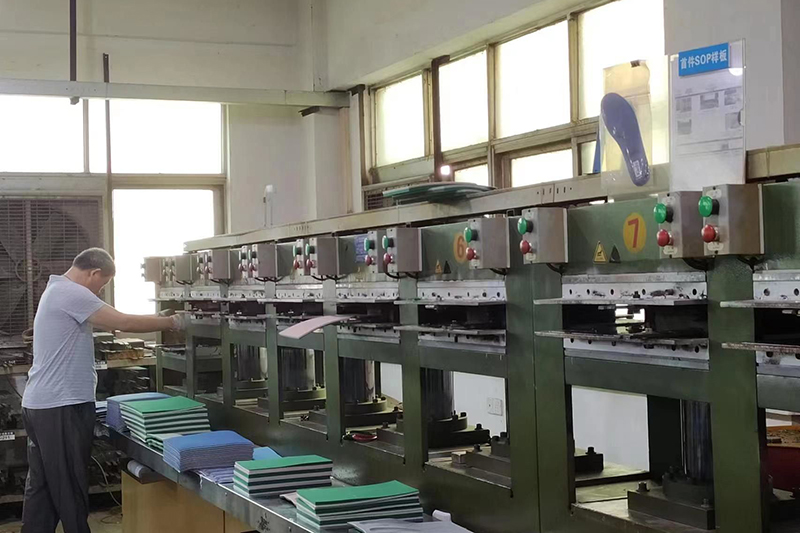
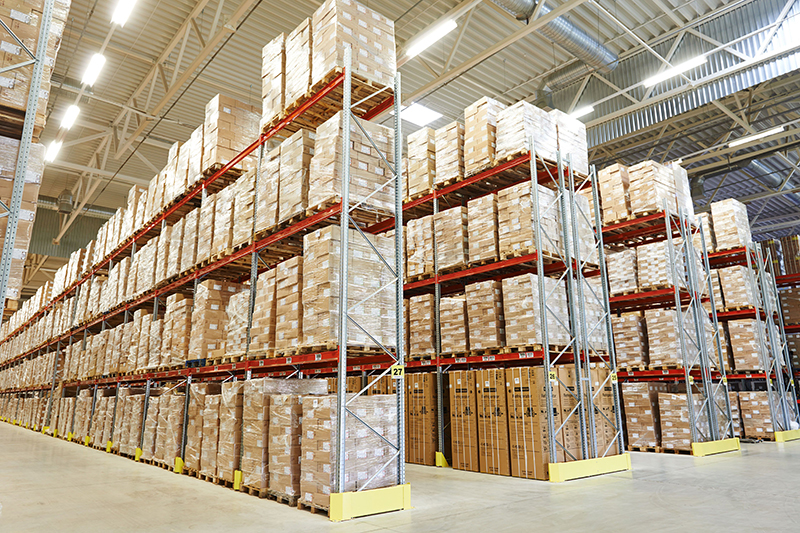
As a leading sustainable insole manufacturer, Foamwell operates advanced production facilities across China, Vietnam, and Indonesia. This multi-country presence allows us to optimize supply chains, reduce logistics-related carbon emissions, and offer competitive pricing. Our in-house research and development laboratories focus on creating high-performance, eco-friendly materials that meet the rigorous demands of technical outdoor brands.
We specialize in custom formulations, including bio-based PU foam, recycled EVA, and patented Polylite elastic foam. Our manufacturing processes prioritize energy efficiency, waste reduction, and clean technology. By maintaining strict quality control and holding key international certifications, we ensure that every insole we produce meets the highest standards of performance, durability, and environmental responsibility.
Quality Control
Our vision is to customize and produce products for foot health with incomparable comfort and high performance for every customer.
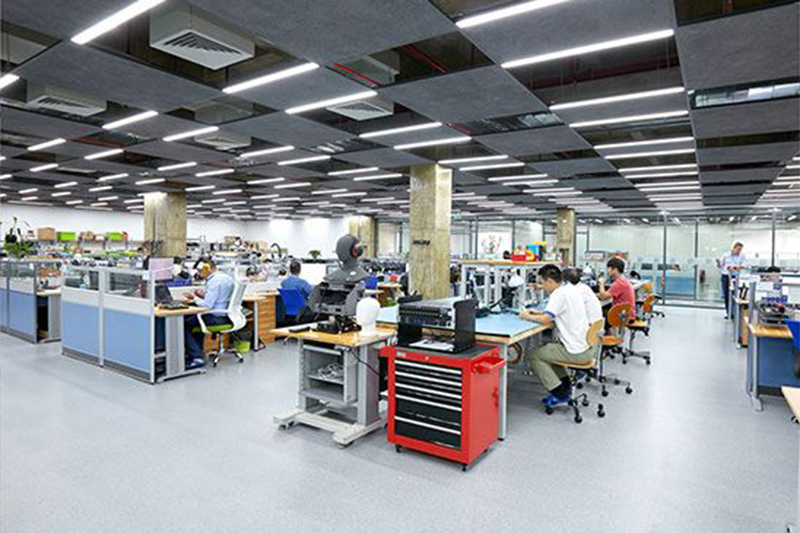
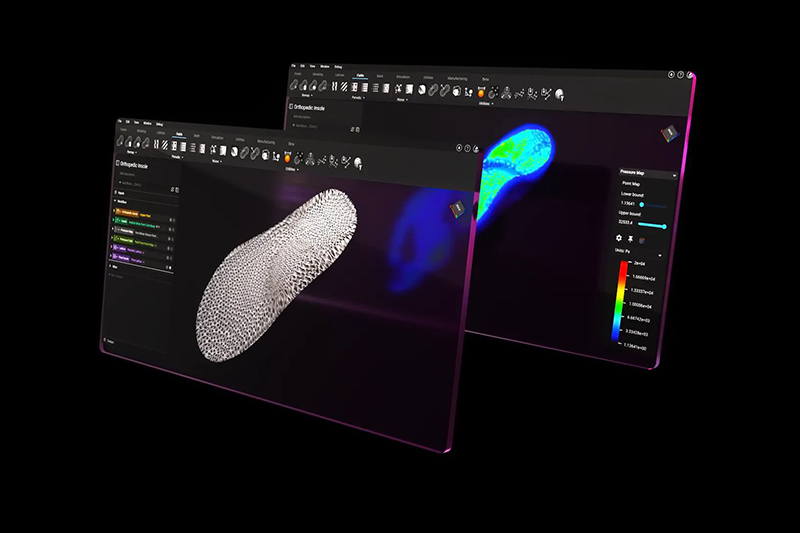
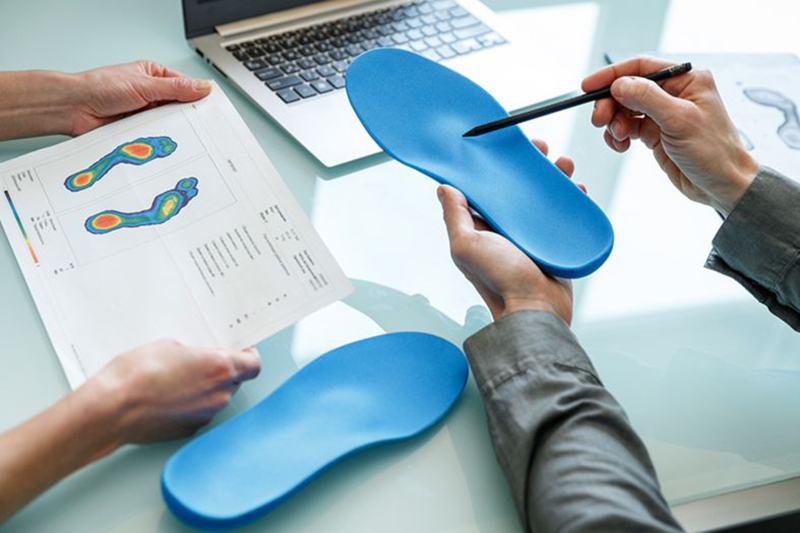
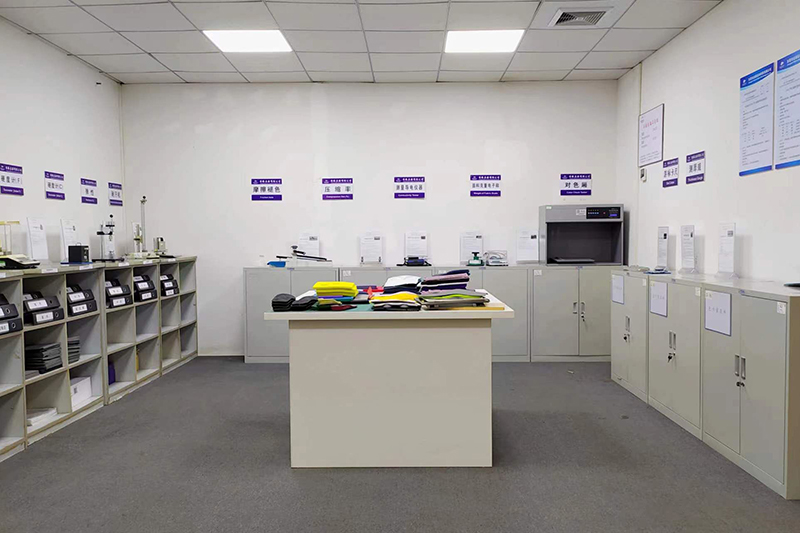
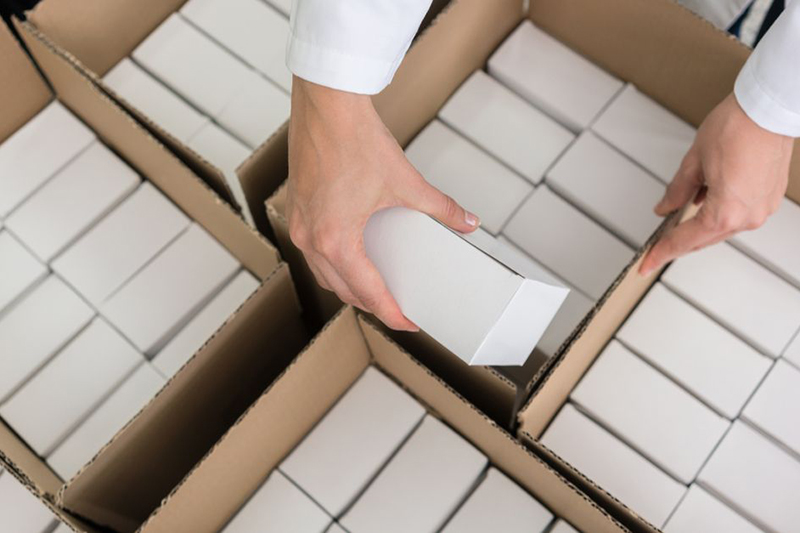
Foamwell in-house Testing Laboratory plays a key role in our company’s business. It is formed by a group of specialists to ensure the quality standard for each product from incoming material to ready-to-ship process, to provide customers with the very best product.
Foamwell Advantages
Our vision is to customize and produce products for foot health with incomparable comfort and high performance for every customer.
Over 15 years experiences.
Deep-rooted expertise in technical foam development and industrial manufacturing.
Expert in R&D and manufacturing of insoles.
Continuous innovation in eco-friendly polymer chemistry and ergonomic design.
Committed to quality
Rigorous testing protocols to ensure high performance in extreme environments.
Approved Global Supplier
Proud to be the approved supplier for world’s leading footwear and insole brands, constantly perfecting quality standards to ensure zero claims.
Why Choose Us
Our vision is to customize and produce products for foot health with incomparable comfort and high performance for every customer.
Time Effectiveness
3-5 days for design, 5-7 days for samples, 30-35 days for bulk order delivery.
Cost Effectiveness
With production facilities in China, Vietnam, and Indonesia for local delivery and service to minimize costs.
Environmental Friendly
Processed with recycled/bio-based materials and energy-efficient production methods to minimize carbon footprint.
Certificates
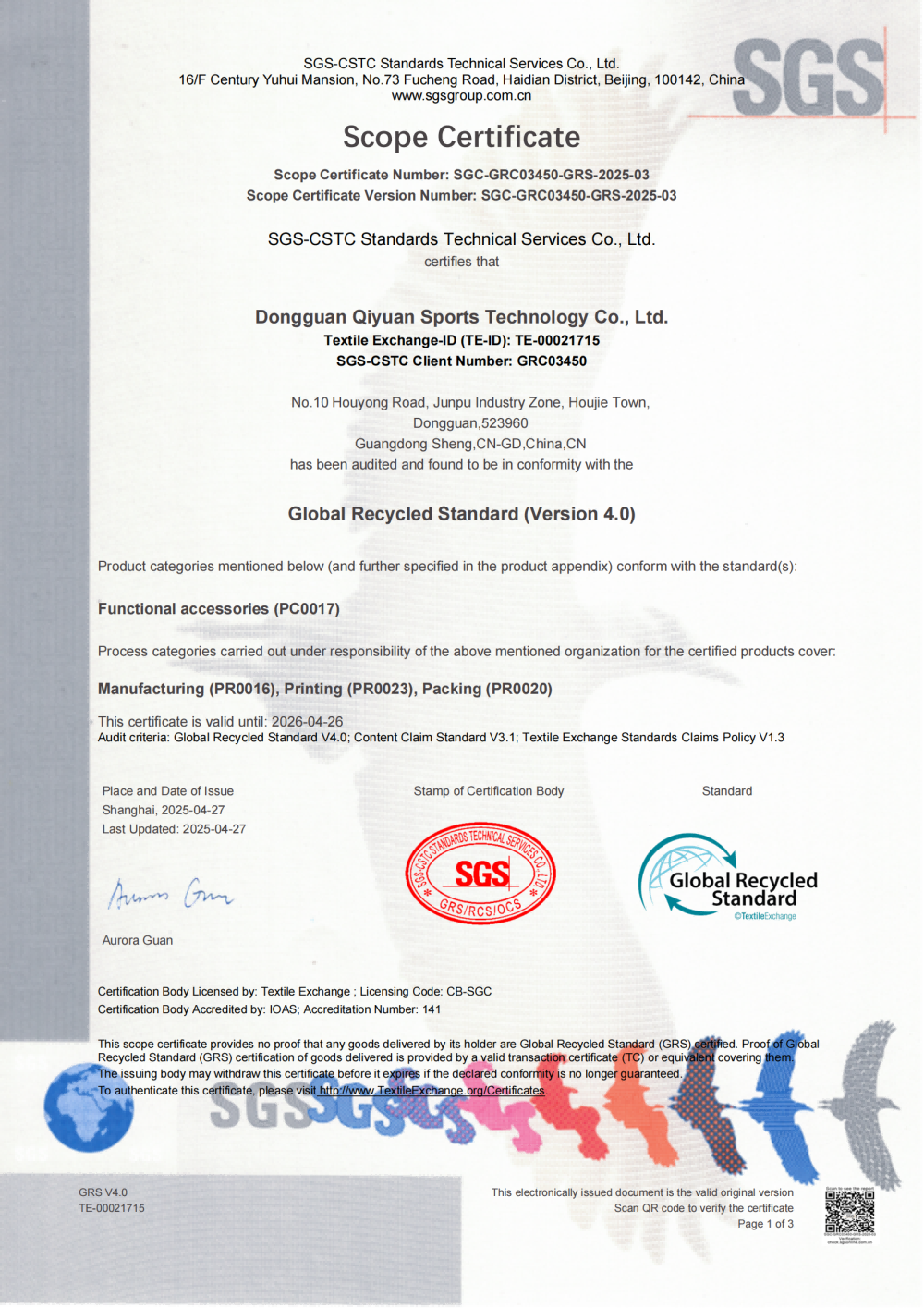
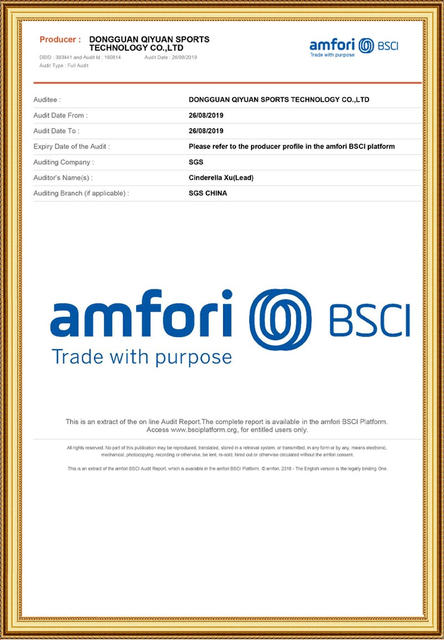
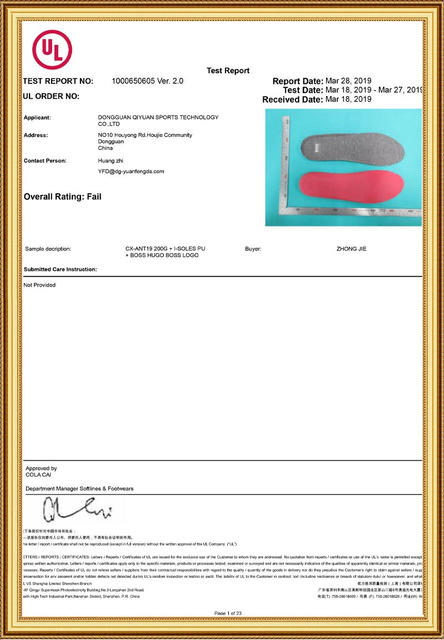
Foamwell has been approved the ISO Certificate, BSCI, GRS, and owns lots of patents for insole inventions and designs.
Complete Product Catalog
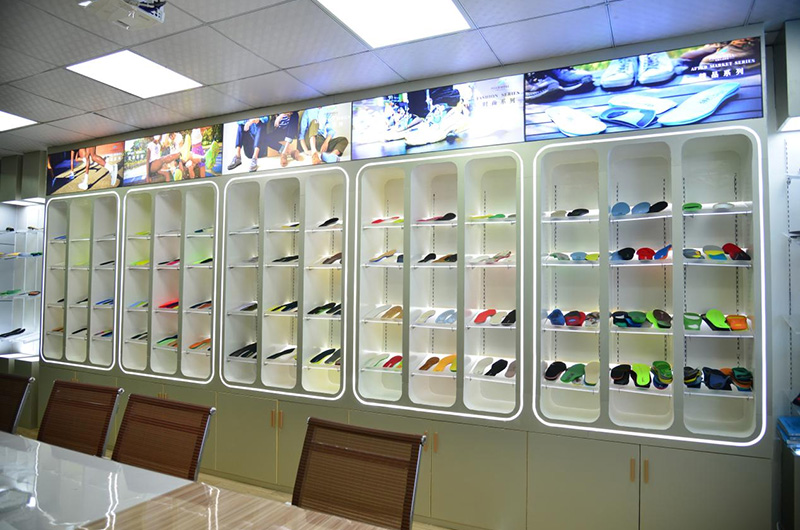
Browse our full range of high-performance insoles, engineered for sports, outdoor activities, and specialized foot care.