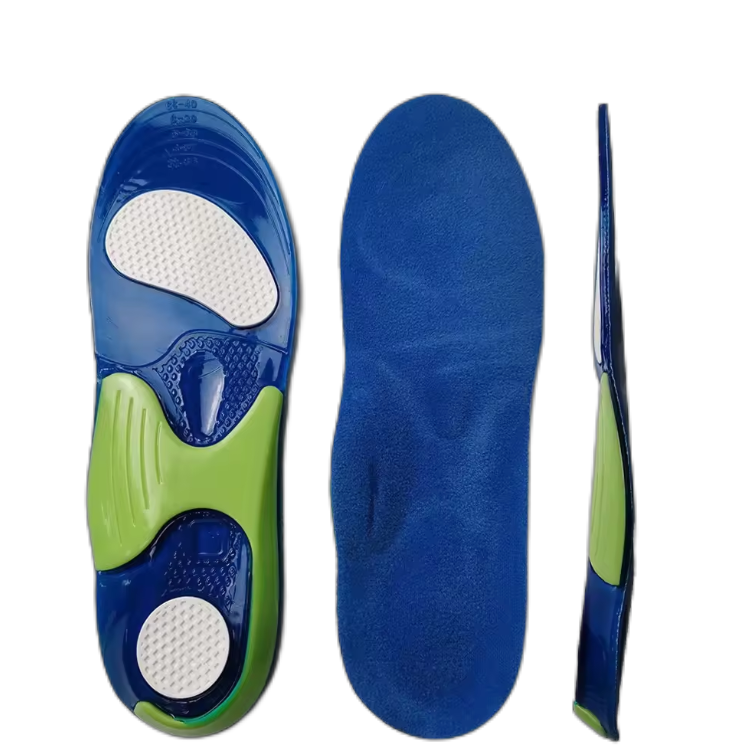
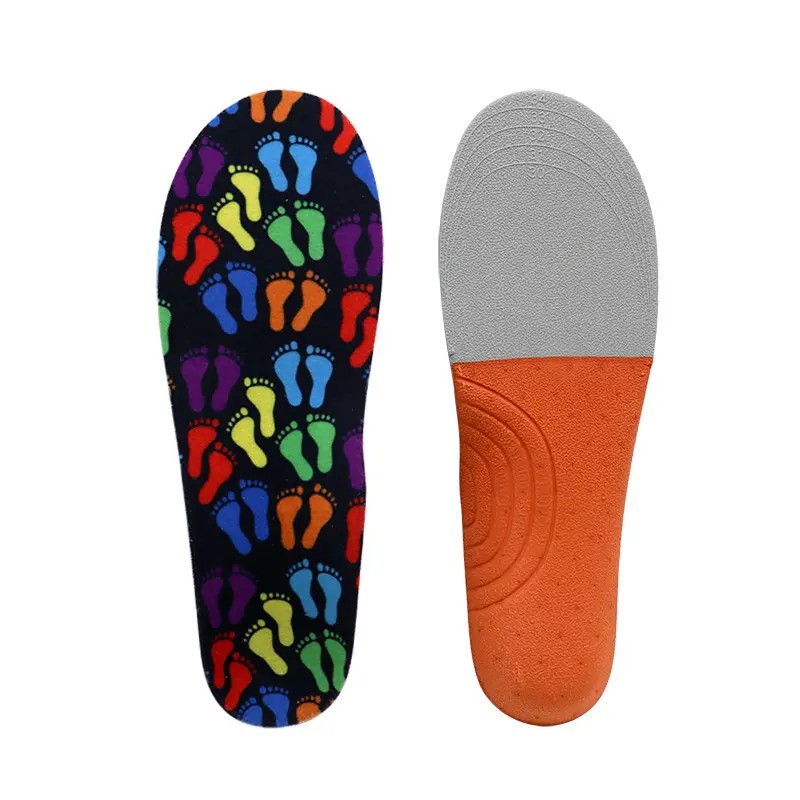
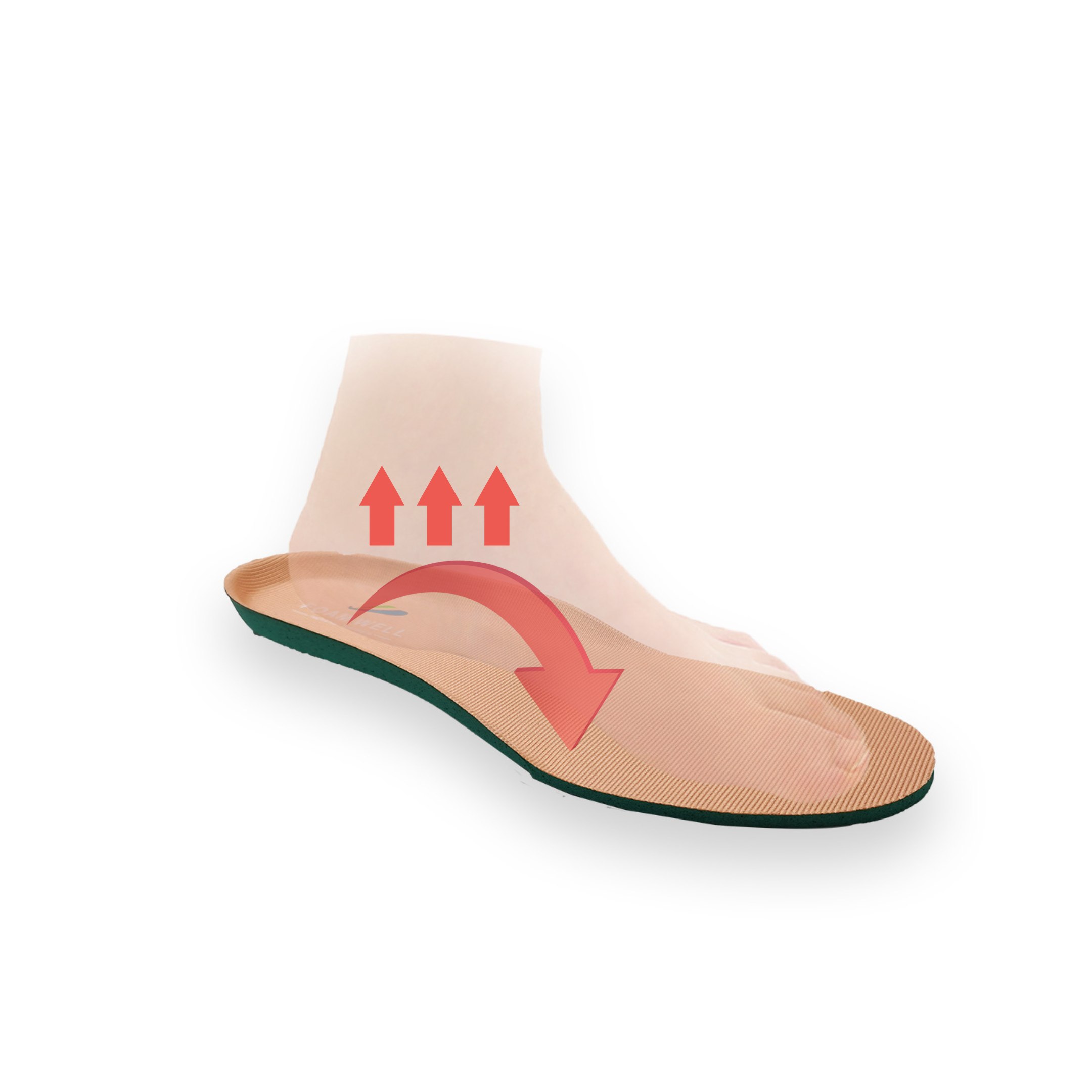
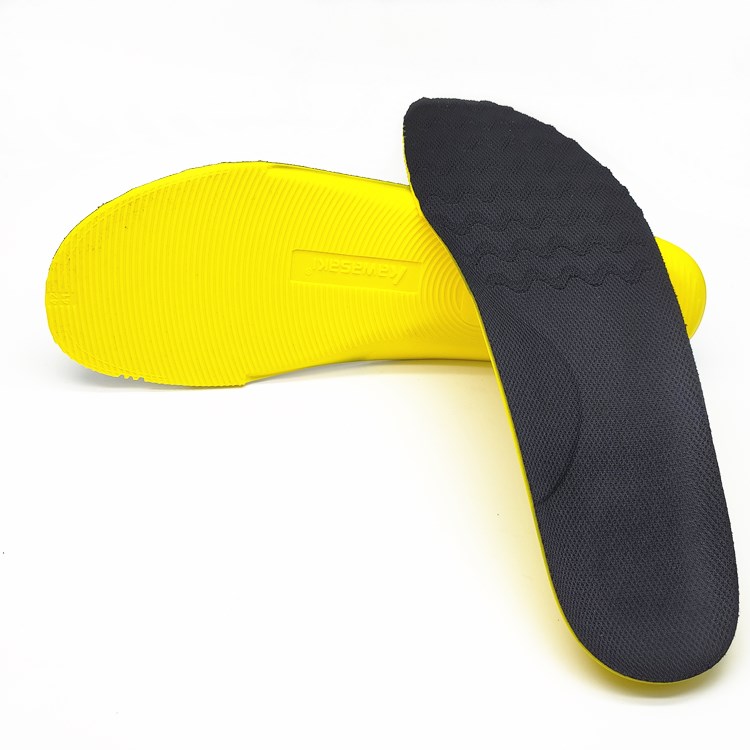
Featured Green Lifestyle Insoles
Discover our leading sustainable and high-performance insole solutions engineered for maximum outdoor comfort and durability.
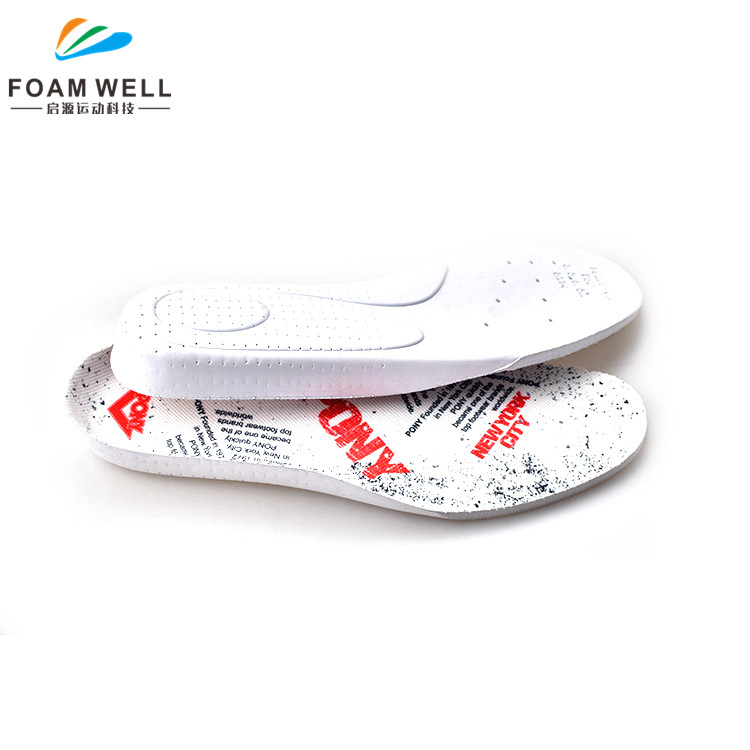
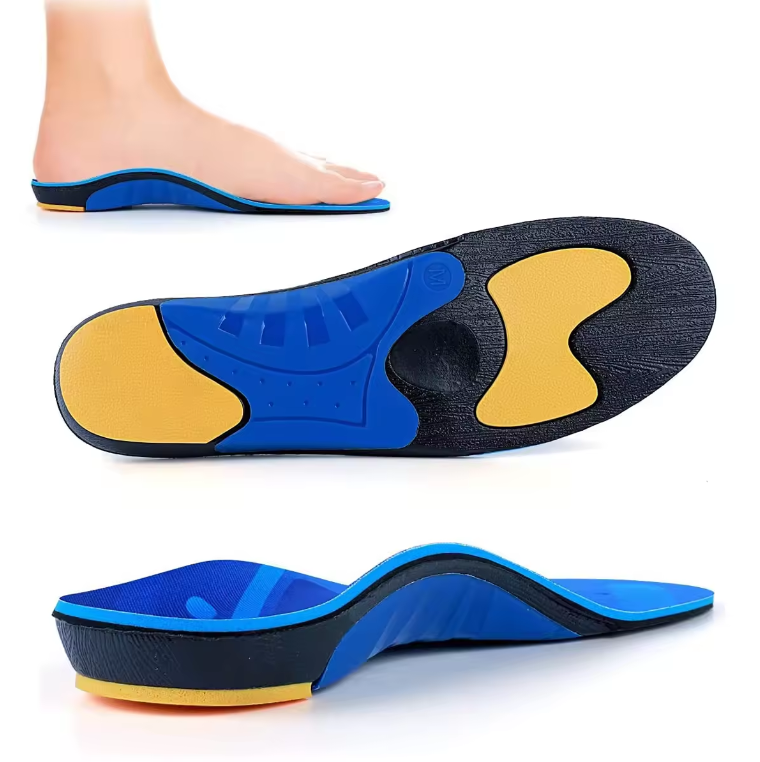
The Rise of Sustainable Insole Materials in Modern Footwear
The global footwear industry is undergoing a profound transformation. As environmental consciousness shifts from a niche consumer preference to a mainstream market driver, footwear brands are re-evaluating every component of their products. Among these components, the insole—traditionally hidden but structurally vital—has emerged as a focal point for eco-friendly innovation. In the demanding sectors of outdoor hiking and daily green lifestyle shoes, the demand for high-performance, sustainable insole materials is at an all-time high.
Historically, insoles relied heavily on petroleum-based polyurethane (PU) foams, ethylene-vinyl acetate (EVA), and synthetic rubbers. While these materials offered excellent cushioning and durability, their extraction, manufacturing, and disposal posed significant ecological challenges. Today, the integration of bio-based polymers, recycled materials, and advanced physical foaming technologies (such as supercritical nitrogen foaming) is redefining the baseline for footwear comfort and environmental responsibility.
SEO Insight: Modern outdoor enthusiasts seek products that align with their leave-no-trace ethics. By replacing standard chemical-heavy inserts with bio-based or recycled alternatives, brands can lower the carbon footprint of their footwear by up to 30% while retaining the high-performance physical properties required for rugged terrains.
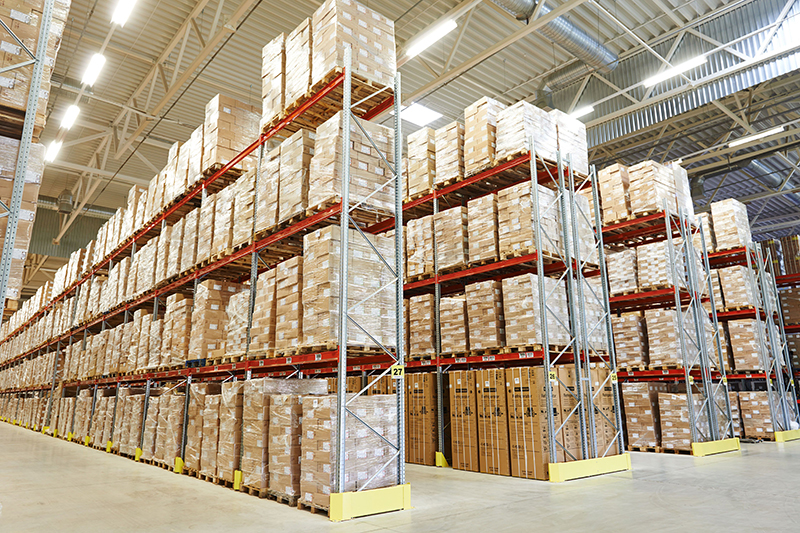
We Are Around Everywhere You Need Us To Be!
Foamwell's Global Manufacturing Footprint and Supply Chain Capabilities
Global Factory Operations
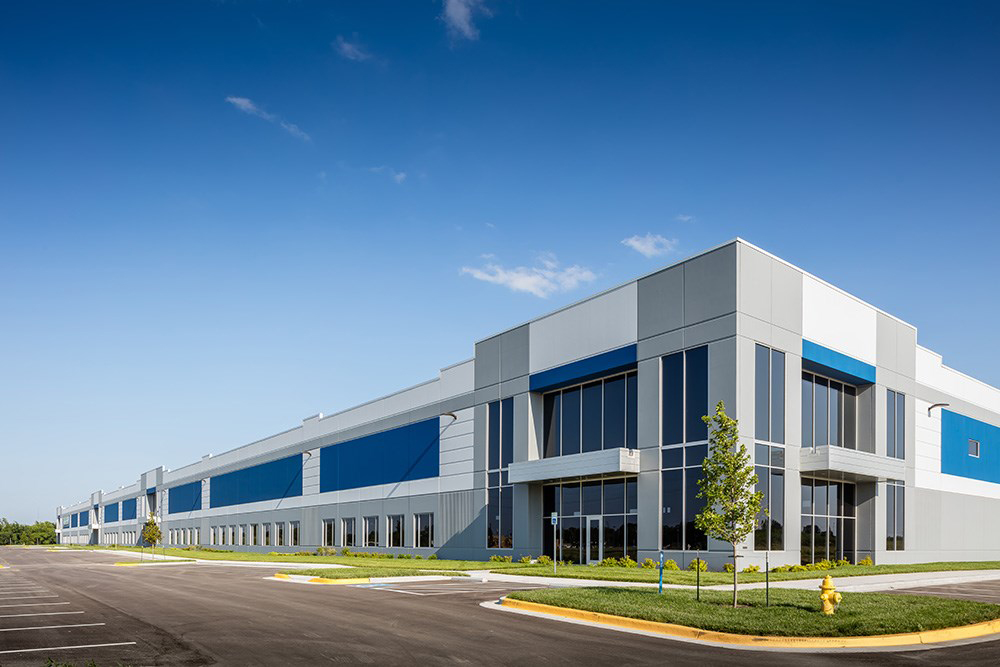
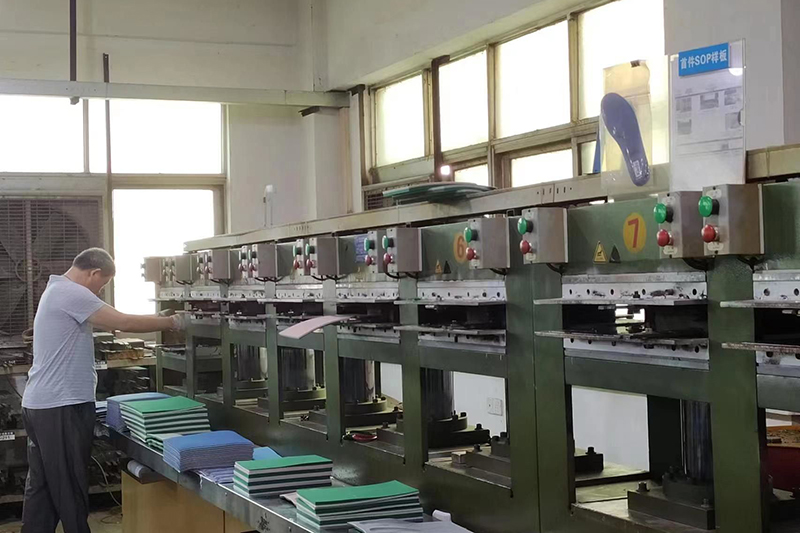
Foamwell is registered in Hong Kong with production facilities in China, Vietnam and Indonesia, specializing in the development and manufacturing of sustainable environmentally friendly PU Foam, Memory Foam, Patent Polylite Elastic Foam, Polymer Latex.
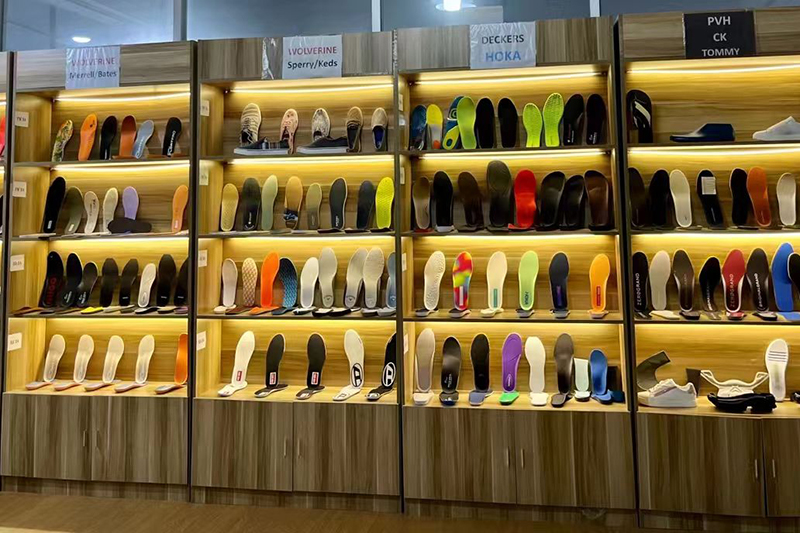
Foamwell also focuses on the development and manufacturing of EVA, PU, LATEX, TPE, PORON, POLYLITE, Supercritical Foaming insoles, PU Orthotic insoles, Customized insoles, Heightening insoles, High-tech insoles, and products for foot care. Foamwell excels in innovating increases of comfort, shock absorption, breathability, high resilience, orthotic treatments, nanoscale deodorization, silver ion antibacterial, ESD, and Bio elements.
Deep Application Analysis: Hiking & Green Lifestyle Demands
The Extreme Biomechanical Demands of Outdoor Hiking
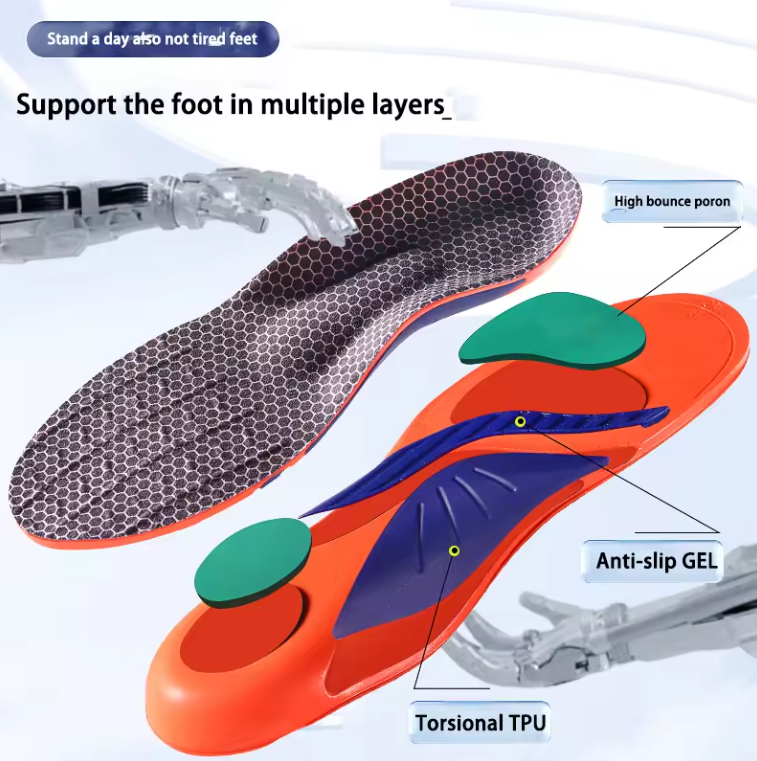
Outdoor hiking is uniquely demanding on footwear. Over uneven terrains, rocky paths, and steep inclines, the human foot experiences repetitive, high-impact forces. A premium hiking insole must provide three key structural functions: dynamic shock absorption to protect joints, rigid or semi-rigid arch support to prevent overpronation or flat-foot fatigue, and high breathability to manage moisture and prevent blisters.
Sustainable materials like supercritical-foamed TPU (ATPU) and bio-based PU foams are uniquely suited to meet these challenges. Supercritical foaming uses inert gases (nitrogen or carbon dioxide) instead of chemical blowing agents, resulting in an ultra-lightweight foam structure with incredibly high energy return and resilience. This ensures that the insole does not "pack out" (permanently compress) even after hundreds of miles of heavy-load backpacking.
Green Lifestyle Shoes: Daily Comfort Meets Circular Design
For green lifestyle shoes, the design criteria shift slightly toward lightweight, everyday comfort, and circular end-of-life options. Consumers wearing lifestyle shoes expect immediate step-in comfort and long-term durability for urban commuting and casual walking.
Here, bio-based memory foams and recycled TPE materials shine. By incorporating castor oil, plant-based polyols, and recycled ocean plastics, manufacturers can produce insoles that conform to the foot's natural contour while diverting waste from landfills. Furthermore, the push towards mono-material shoe designs—where the upper, midsole, and insole are made from similar recyclable polymer families—makes end-of-life recycling highly feasible, bringing the industry closer to a true circular economy.
Quality Control
Our vision is to customize and produce products for foot health with incomparable comfort and high performance for every customer.
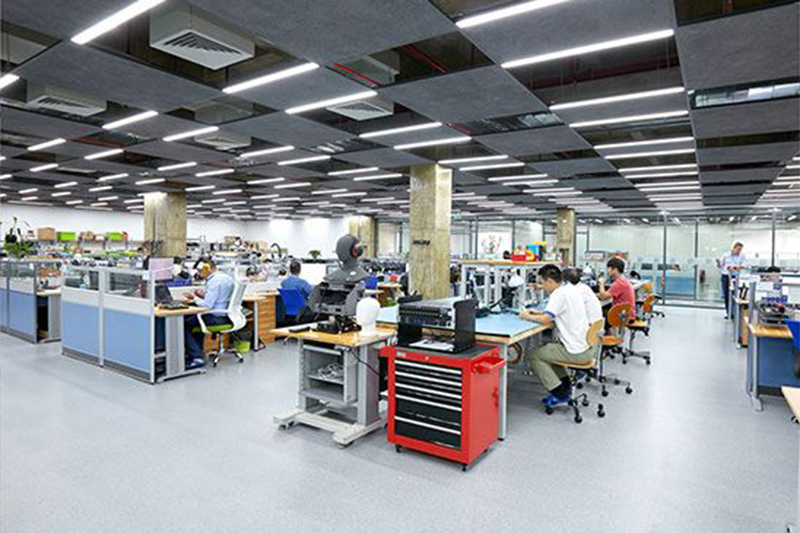
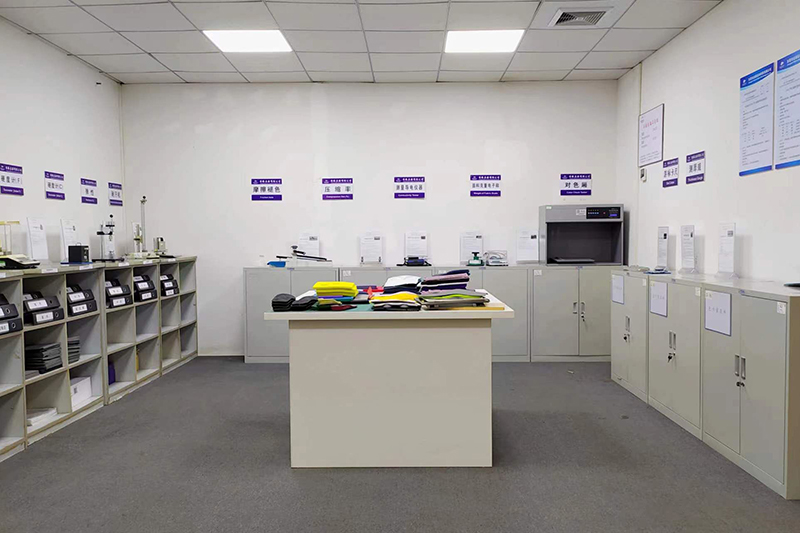
Foamwell in-house Testing Laboratory plays a key role in our company’s business. It is formed by a group of specialists to ensure the quality standard for each product from incoming material to ready-to-ship process, to provide customers with the very best product.
Technological Innovations in Sustainable Footwear Materials
How advanced chemical engineering and eco-design are paving the way for high-elasticity green insoles.
To achieve high-performance standards without compromising ecological values, Foamwell utilizes cutting-edge material science. One of the primary developments is the integration of bio-based polyurethane (PU). Traditional PU is derived entirely from petrochemicals. By substituting a significant portion of these petrochemical polyols with bio-polyols sourced from castor oil or other non-food agricultural waste, we drastically reduce the greenhouse gas emissions associated with insole manufacturing.
Another milestone is the development of supercritical foaming technology. Traditional foaming methods rely on chemical blowing agents that release volatile organic compounds (VOCs) and leave chemical residues in the foam. In contrast, supercritical foaming utilizes physical gases (nitrogen or carbon dioxide) under high pressure. When the pressure is released, the gas expands to create a highly uniform, microcellular structure. This process is entirely clean, leaving no chemical residues and producing a foam that is exceptionally light, highly elastic, and structurally stable.
Furthermore, incorporating active functional agents directly into the polymer matrix—such as silver ion antibacterial compounds, nanoscale deodorizers, and bio-based moisture-wicking elements—allows the insoles to maintain hygiene and comfort naturally. This eliminates the need for post-production chemical coatings that can wash out and pollute local waterways.
Foamwell Advantages
Our vision is to customize and produce products for foot health with incomparable comfort and high performance for every customer.
Global Supply Chain & Environmental Certifications
Navigating international regulatory standards and sustainable supply chain logistics.
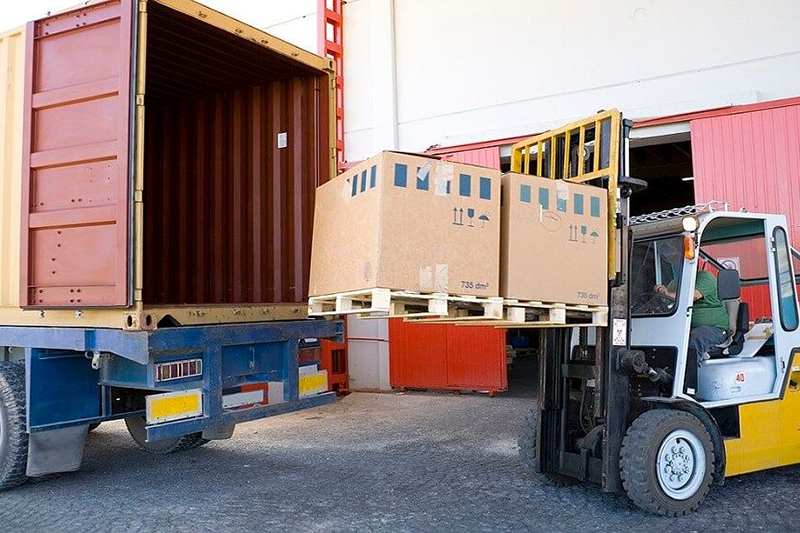
In the modern footwear landscape, sustainability is not just about the material itself; it is also about the supply chain and manufacturing operations. Foamwell's strategic manufacturing footprint across China, Vietnam, and Indonesia allows us to provide localized delivery and support to major footwear assembly hubs worldwide. This localized strategy drastically reduces the carbon footprint associated with international shipping and logistics.
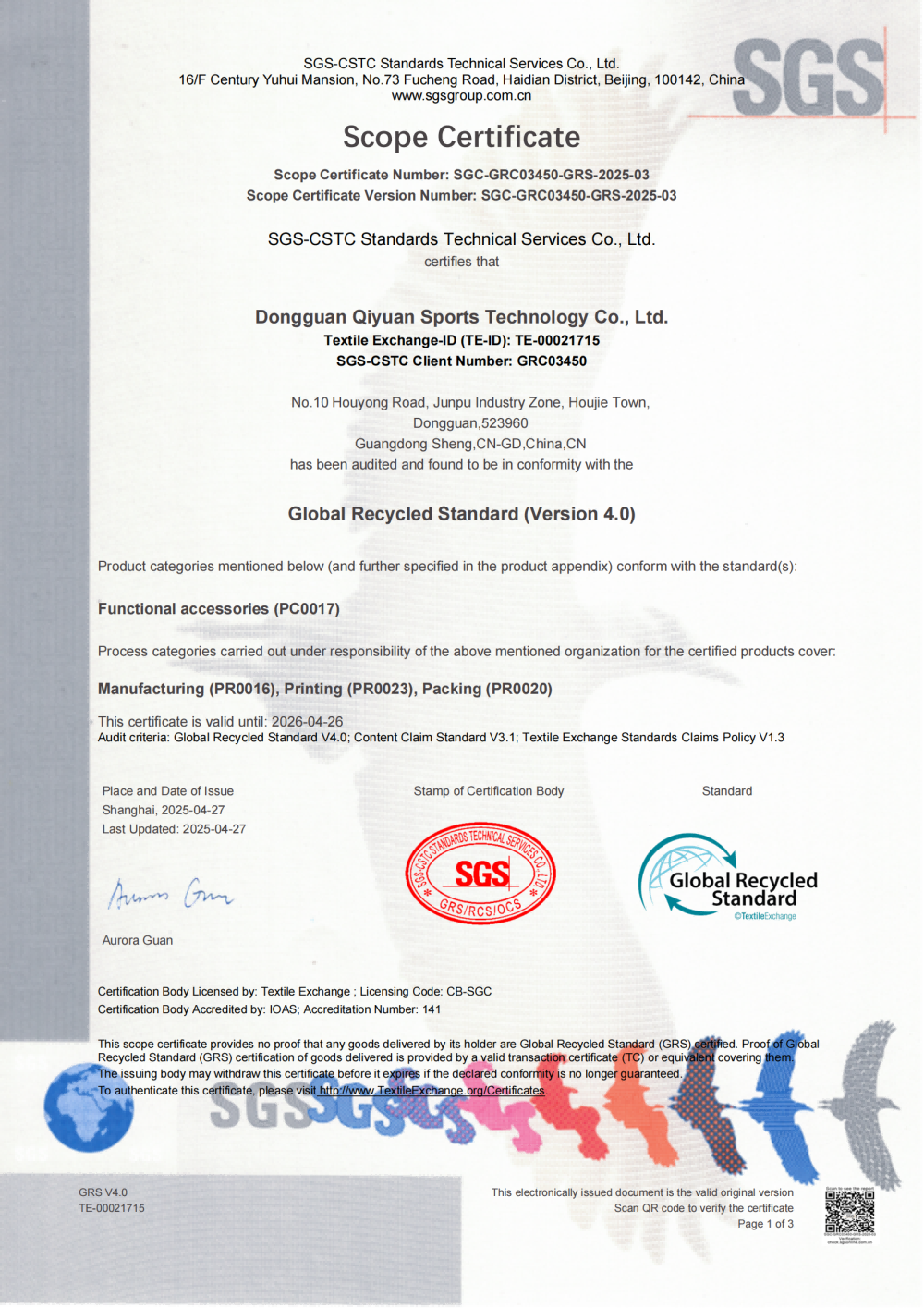
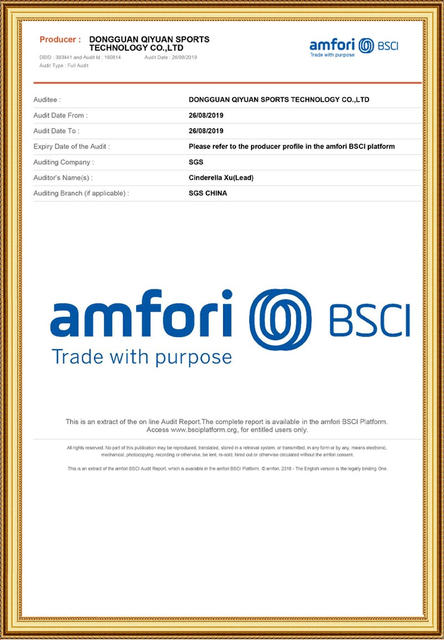
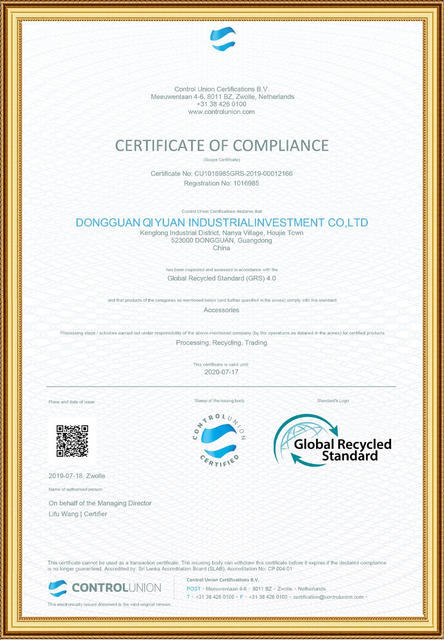
Moreover, compliance with international standards is vital for brands to market their green credentials confidently. Certifications such as the Global Recycled Standard (GRS) verify the recycled content in our materials, ensuring complete traceability. Social compliance audits like BSCI (Business Social Compliance Initiative) guarantee ethical working conditions across all our production lines, while ISO certifications affirm our commitment to systematic quality and environmental management.
Regulatory Compliance Note: As global regulations on plastic waste and chemical safety (such as REACH and RoHS) tighten, partnering with a certified manufacturer like Foamwell ensures that your footwear lines remain fully compliant and ready for global distribution.
Why Choose Us
Our vision is to customize and produce products for foot health with incomparable comfort and high performance for every customer.
Time Effectiveness
3-5 days for design, 5-7 days for samples, 30-35 days for bulk order delivery.
Cost Effectiveness
With production facility in China, Vietnam, Indonesia for local delivery and service to minimize the cost.
Environmental Friendly
Process with recycled/bio-based material and energy-efficient production method to minimize carbon footprint.
Certificates
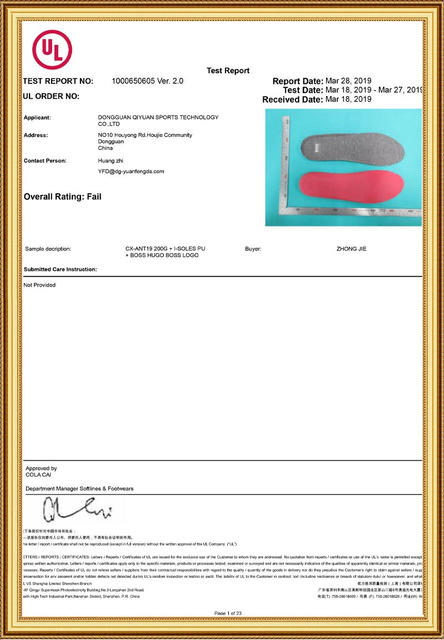
Foamwell has been approved the ISO Certificate, BSCI, GRS, and owns lots of patents for the insole invention and designs.
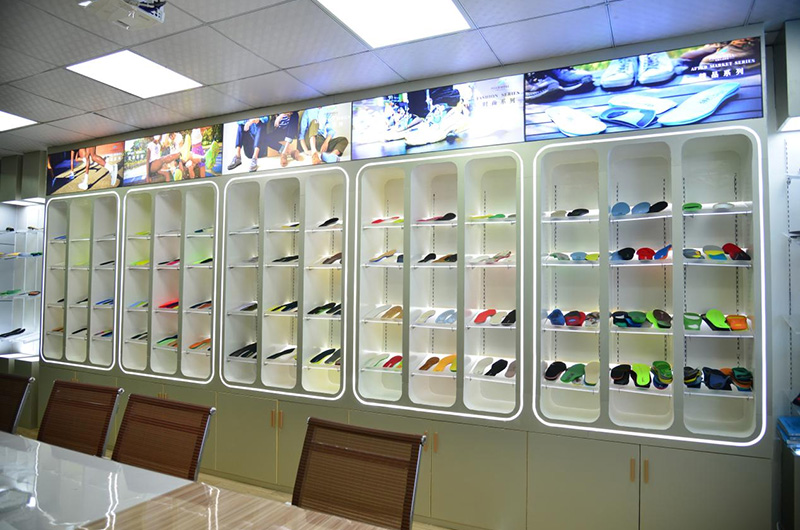
Our Complete Range of High-Performance Eco-Insoles
Explore our full line of sustainably sourced, orthotic-grade shoe inserts designed for hiking, sports, and green lifestyles.