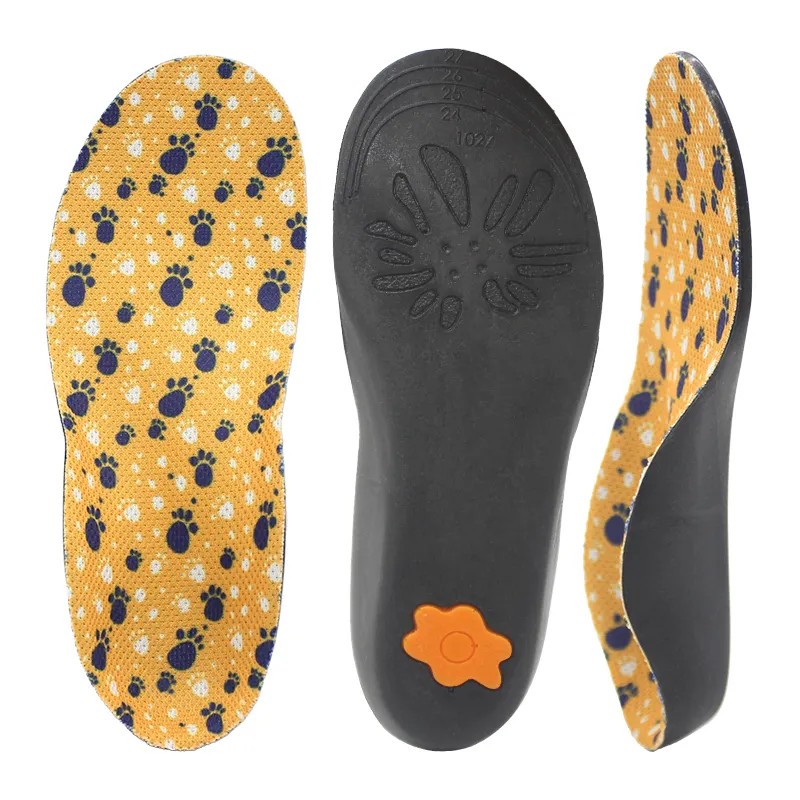
Featured Smart & Technical Insoles
Engineered for extreme performance, thermal regulation, and ergonomic comfort.
The Landscape of Heating Insole Manufacturing in Romania
Romania has long established itself as a critical hub for European footwear production. Historically recognized for its skilled craftsmanship and strong partnerships with premium Western European fashion houses, the Romanian footwear sector is undergoing a massive technological evolution. Today, the demand for smart, functional, and specialized components—particularly heating insoles—is reshaping the local industrial framework.
As winter temperatures in Central and Eastern Europe consistently drop below freezing, the practical necessity for thermal management in footwear has surged. Local manufacturers in regions like Bihor, Arad, and Timiș are increasingly looking to integrate advanced heating components, carbon fiber elements, and smart thermal foams into their product lines. This shift is driven not just by consumer lifestyle trends, but by rigorous industrial, military, and safety requirements across the continent.
Industrial & Commercial Status of Romania's Footwear Sector
The Romanian footwear market operates under a sophisticated network of local factories, sub-contractors, and international design offices. Traditionally reliant on the "Lohn" system (processing materials supplied by foreign clients), Romanian manufacturers are actively pivoting toward independent product design and full-package manufacturing services (FOB). This transition is highly evident in the activewear, safety footwear, and specialized outdoor gear categories.
By incorporating advanced heating insoles into their production capability, local factories can offer high-margin winter boots, therapeutic orthopedic shoes, and heavy-duty industrial workwear. The proximity to key European markets like Germany, Austria, and Italy ensures rapid logistics and reduced supply chain risks, making Romanian manufacturers highly competitive partners for brands seeking reliable regional fulfillment.
Key Application Scenarios for Heated Insoles in Romania
The adoption of heated insoles spans multiple high-value industries. Understanding these localized application scenarios is essential for B2B buyers and product developers:
1. Outdoor Sports and Tourism in the Carpathian Mountains
Romania’s Carpathian region hosts a thriving winter tourism industry. From skiing in Poiana Brașov to mountaineering, there is a massive retail market for heated insoles that feature flexible, ultra-thin heating elements. These insoles must be lightweight, moisture-resistant, and compatible with rigid ski and hiking boots. The integration of supercritical TPU bases ensures that the insoles retain high elasticity and shock absorption even in extreme sub-zero conditions.
2. Cold-Chain Logistics and Industrial Workforces
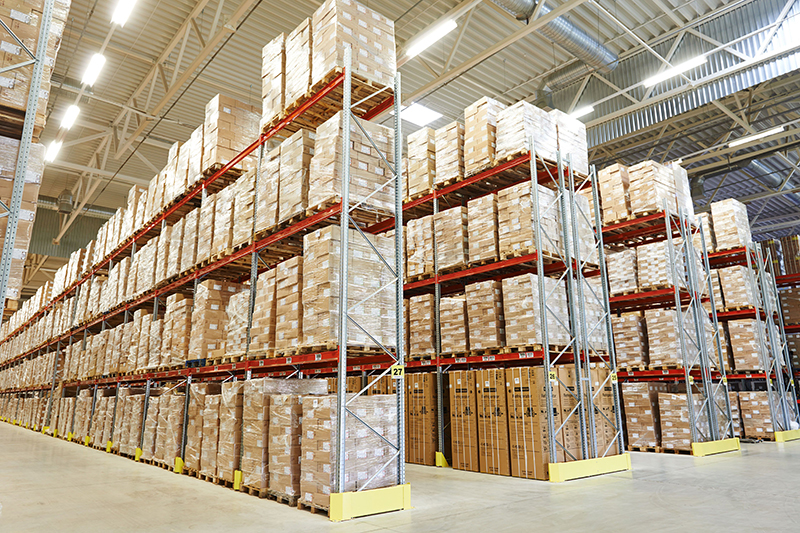
Romania is a major logistics hub in Eastern Europe, with massive warehousing and distribution centers. Workers in cold-chain logistics, food processing plants, and outdoor construction sites face prolonged exposure to cold temperatures. Under European workplace safety standards, providing heated insoles or thermal-insulated footwear is becoming a standard practice to prevent fatigue, improve circulation, and enhance overall productivity. ESD (Electrostatic Discharge) compliance is also a crucial factor in these industrial settings, demanding hybrid ESD-heated insoles.
3. Military and Tactical Operations
The Romanian defense sector and security agencies require specialized tactical footwear capable of enduring harsh winter deployments. Tactical heated insoles must meet military-grade durability standards, offering shock absorption, water resistance, and long battery life. The use of carbon fiber supports combined with high-resilience memory foam provides both the necessary structural integrity and thermal comfort required for long marches and static operations in cold climates.
4. Medical and Orthopedic Thermal Therapy
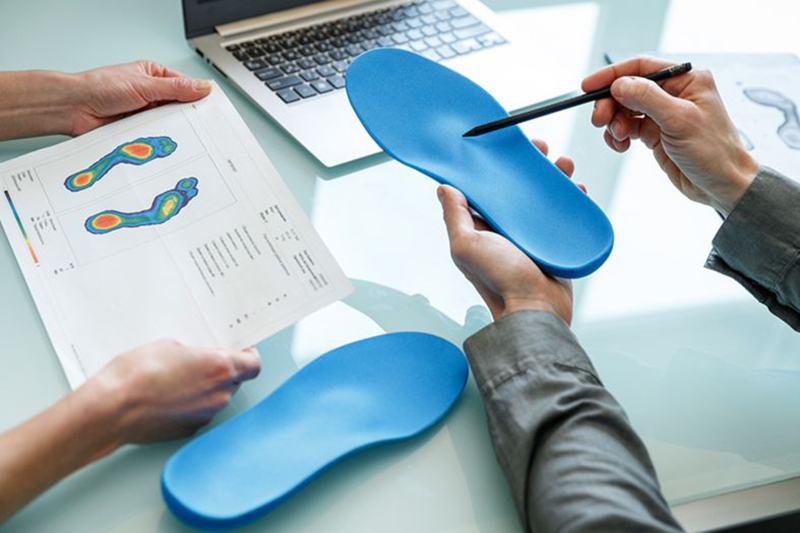
Therapeutic applications represent a growing niche. Patients suffering from poor circulation, Raynaud's syndrome, or chronic arthritis benefit significantly from controlled, low-level heat. Romanian orthotic clinics and medical supply brands are partnering with manufacturers to develop customized orthopedic heated insoles that combine arch support with targeted carbon-fiber heating zones.
Technological Trends: What Drives the Modern Heating Insole Industry?
The global heating insole industry is moving away from bulky, uncomfortable wires toward integrated, smart, and sustainable designs. The latest technological trends include:
- Supercritical Foaming Technology: Utilizing gases like nitrogen to expand materials like TPU or EVA without chemical blowing agents. This results in ultra-lightweight, highly elastic, and environmentally friendly insole bases.
- Carbon Fiber Heating Elements: Carbon fiber provides uniform heat distribution, is incredibly thin, and possesses high tensile strength, preventing the heating wires from snapping under constant foot flexion.
- Intelligent Temperature Control: Modern heated insoles feature embedded Bluetooth chips, allowing users to adjust temperature settings via smartphone apps or wireless remotes.
- Eco-Friendly and Recycled Materials: Brands are increasingly demanding bio-based PU foams and recycled fabrics to align with global sustainability targets and European green initiatives.
We Are Around Everywhere You Need Us To Be!
Global Factory Presence
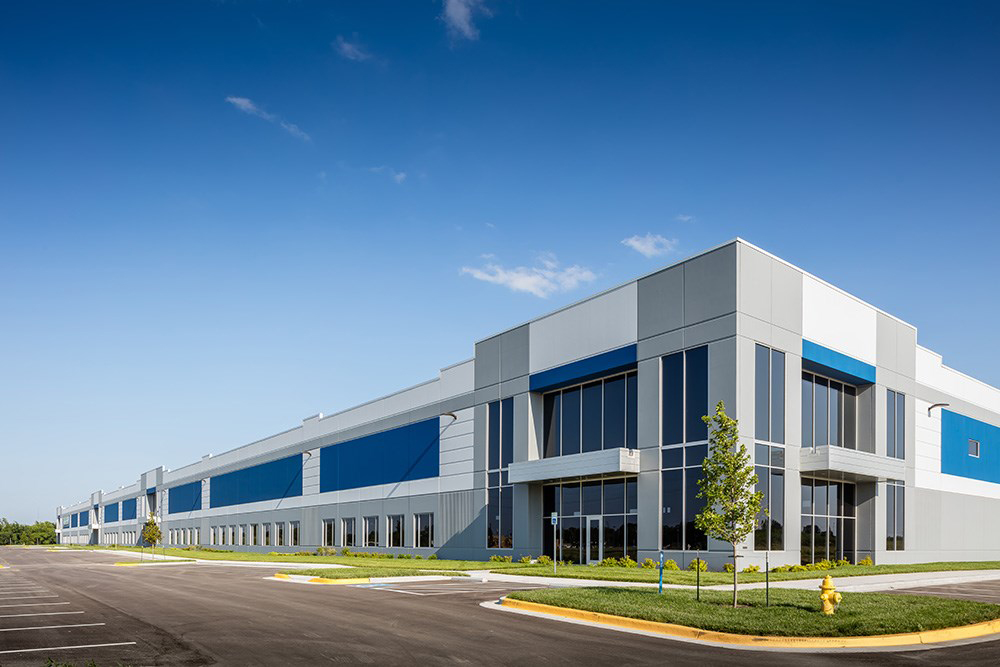
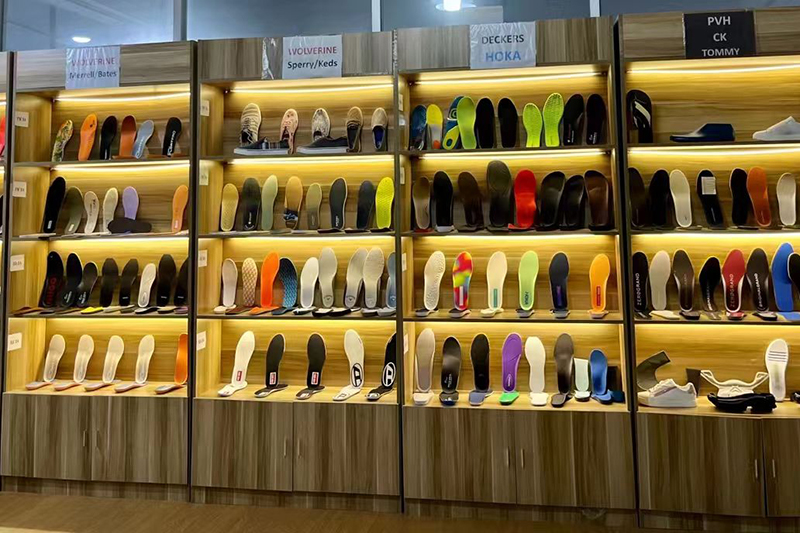
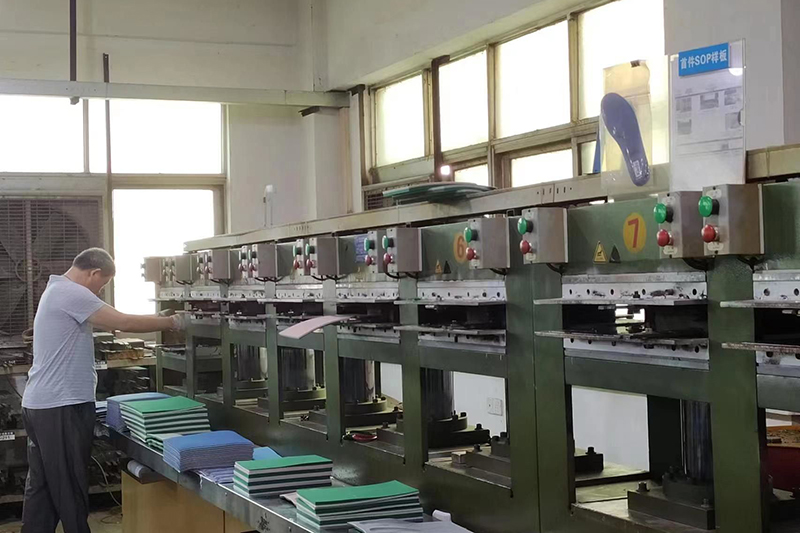
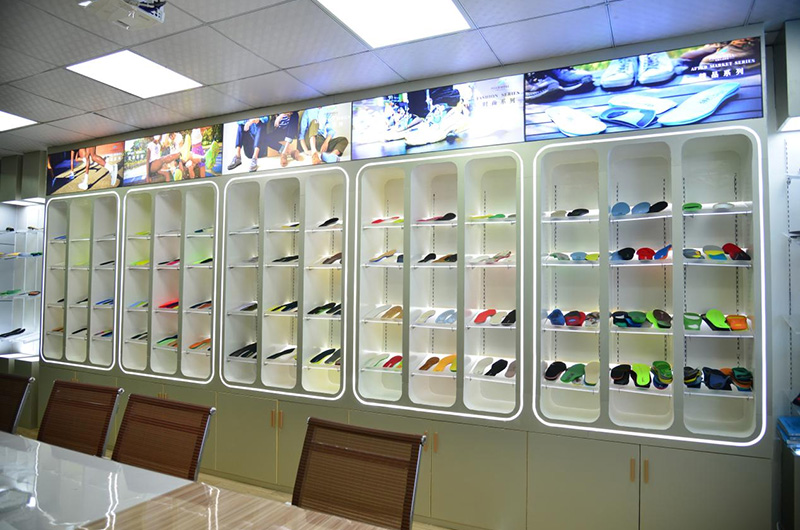
Foamwell is registered in Hong Kong with production facilities in China, Vietnam and Indonesia, specializing in the development and manufacturing of sustainable environmentally friendly PU Foam, Memory Foam, Patent Polylite Elastic Foam, Polymer Latex; Foamwell also focuses on the development and manufacturing of EVA, PU, LATEX, TPE, PORON, POLYLITE, Supercritical Foaming insoles, PU Orthotic insole, Customized insoles, Heightening insoles, High-tech insoles, and products for foot care.
Foamwell excels in innovating increases of comfort, shock absorption, breathability, high resilience, orthotic treatments, nanoscale deodorization, silver ion antibacterial, ESD, and Bio elements.
Quality Control System
Our vision is to customize and produce products for foot health with incomparable comfort and high performance for every customer.
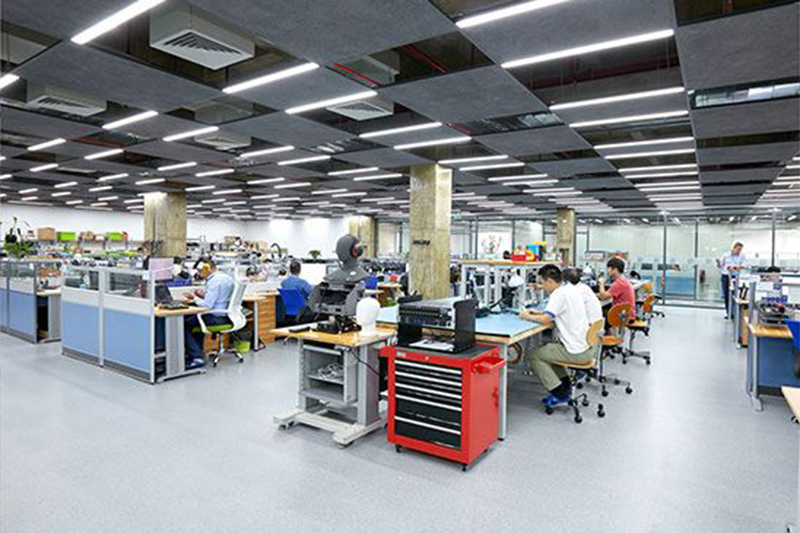
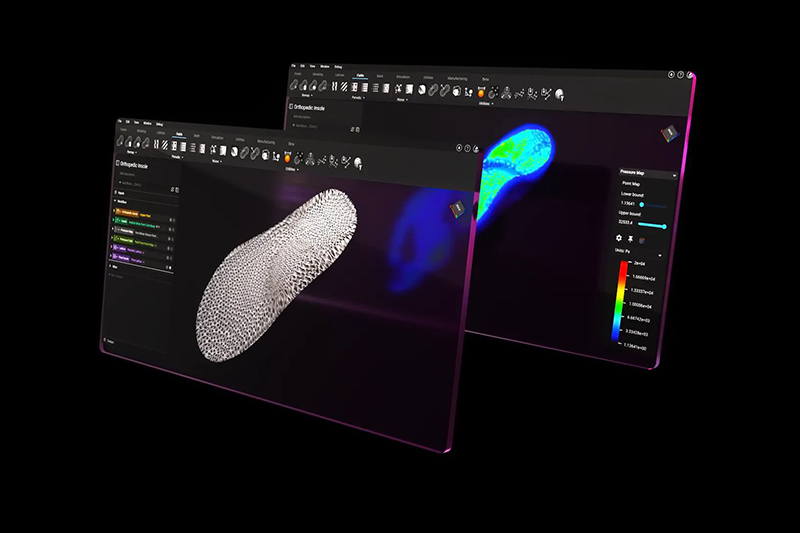
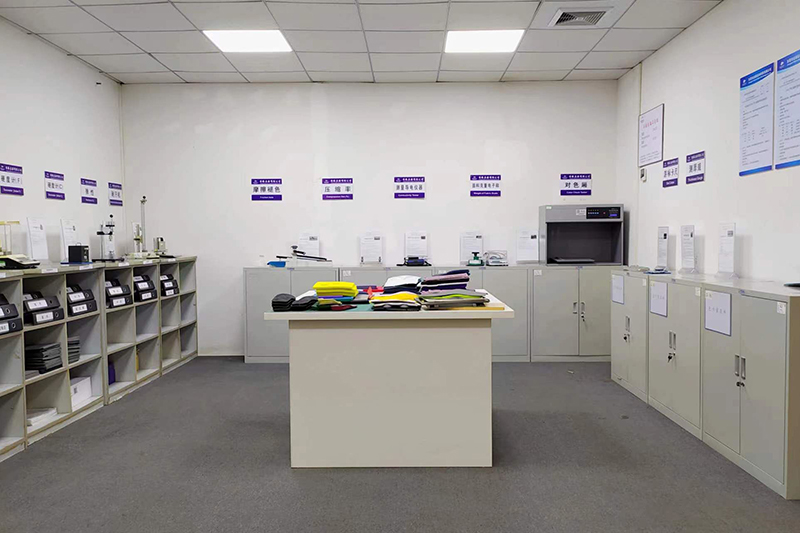
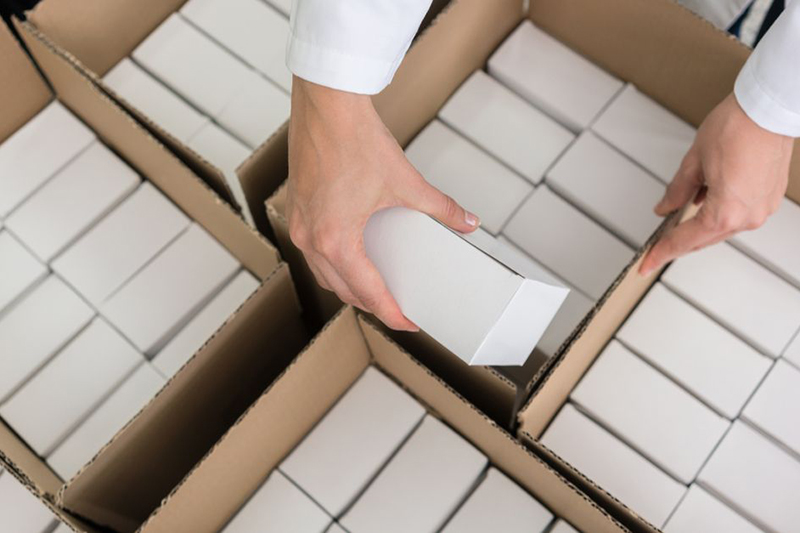
Foamwell in-house Testing Laboratory plays a key role in our company’s business. It is formed by a group of specialists to ensure the quality standard for each product from incoming material to ready-to-ship process, to provide customers with the very best product.
Foamwell Advantages
Combining decades of industrial expertise with cutting-edge material science.
Why Choose Us
We deliver optimization across timeline, cost, and ecological impact.
Time Effectiveness
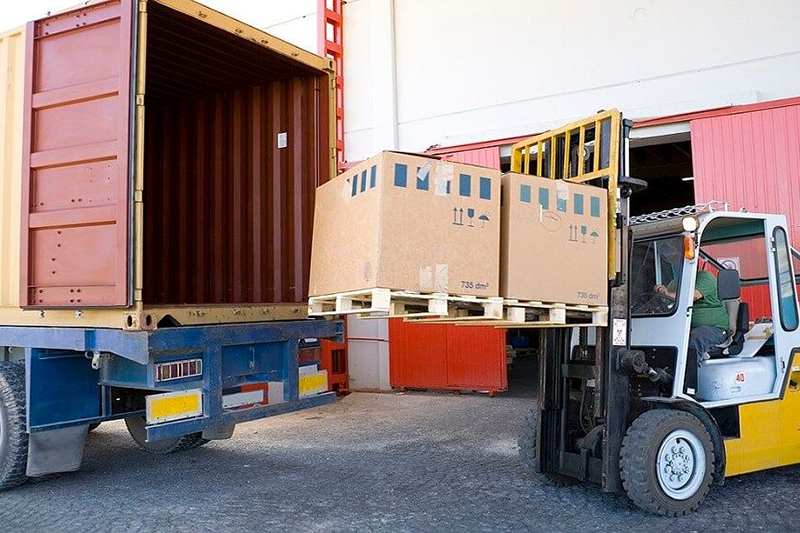
3-5 days for design, 5-7 days for samples, 30-35 days for bulk order delivery.
Cost Effectiveness
With production facility in China, Vietnam, Indonesia for local delivery and service to minimize the cost.
Environmental Friendly
Process with recycled/bio-based material and energy-efficient production method to minimize carbon footprint.
Certificates & Patents
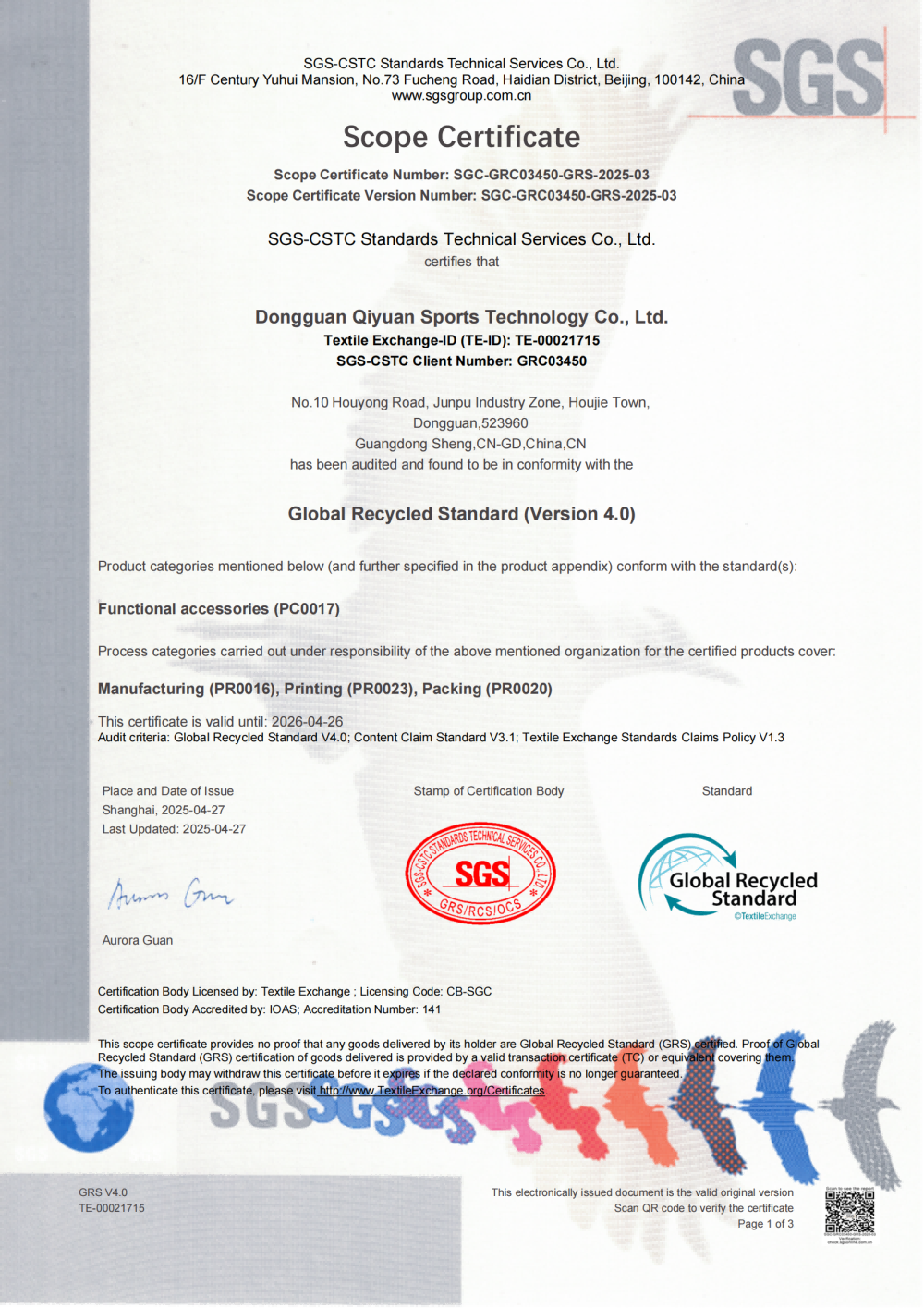
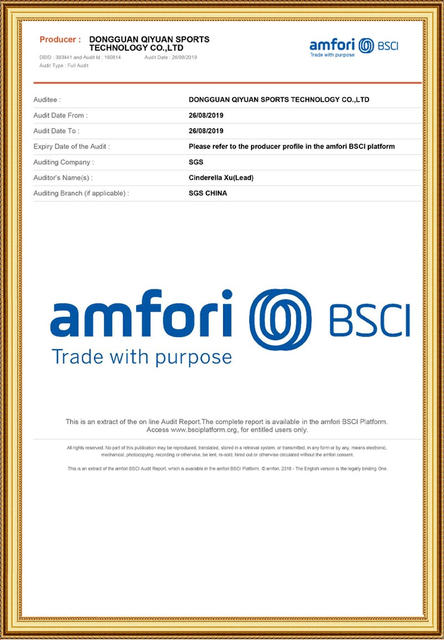
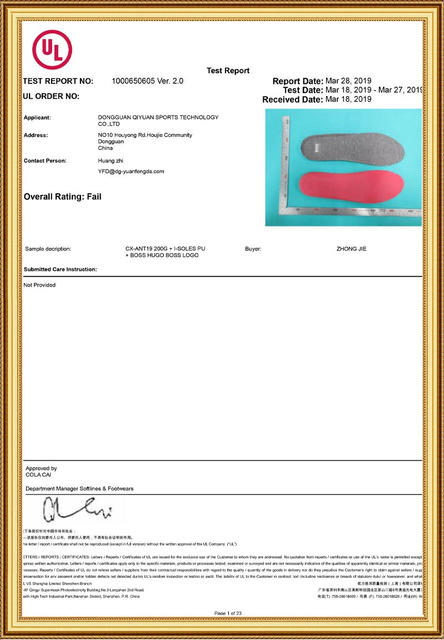
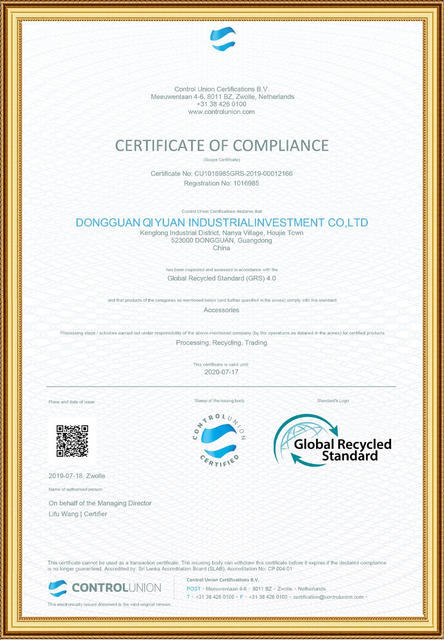
Foamwell has been approved the ISO Certificate, BSCI, GRS, and owns lots of patents for the insole invention and designs.
Complete Footwear & Insole Portfolio
Explore our full line of sports, orthopedic, ESD, and comfort insoles engineered for global brands.
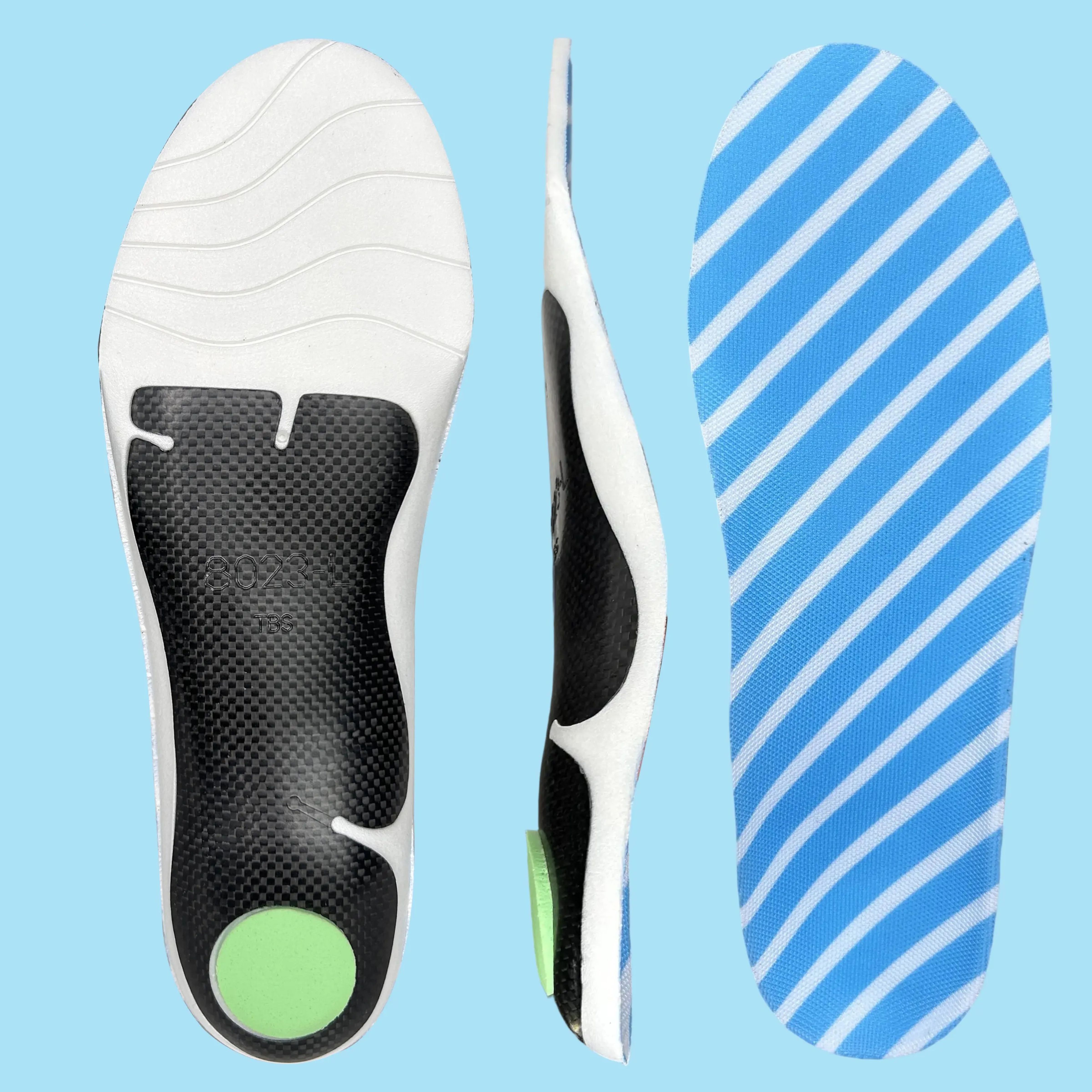
Supercritical TPU Insole with Carbon Fiber Support for Sports
View Details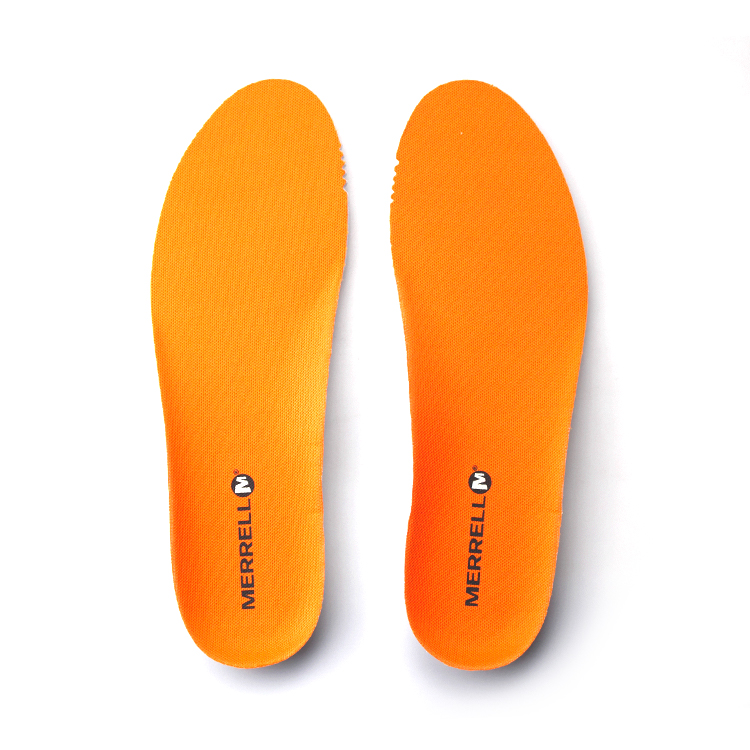
Foamwell EVA Superlight and Durable Sport Insole
View Details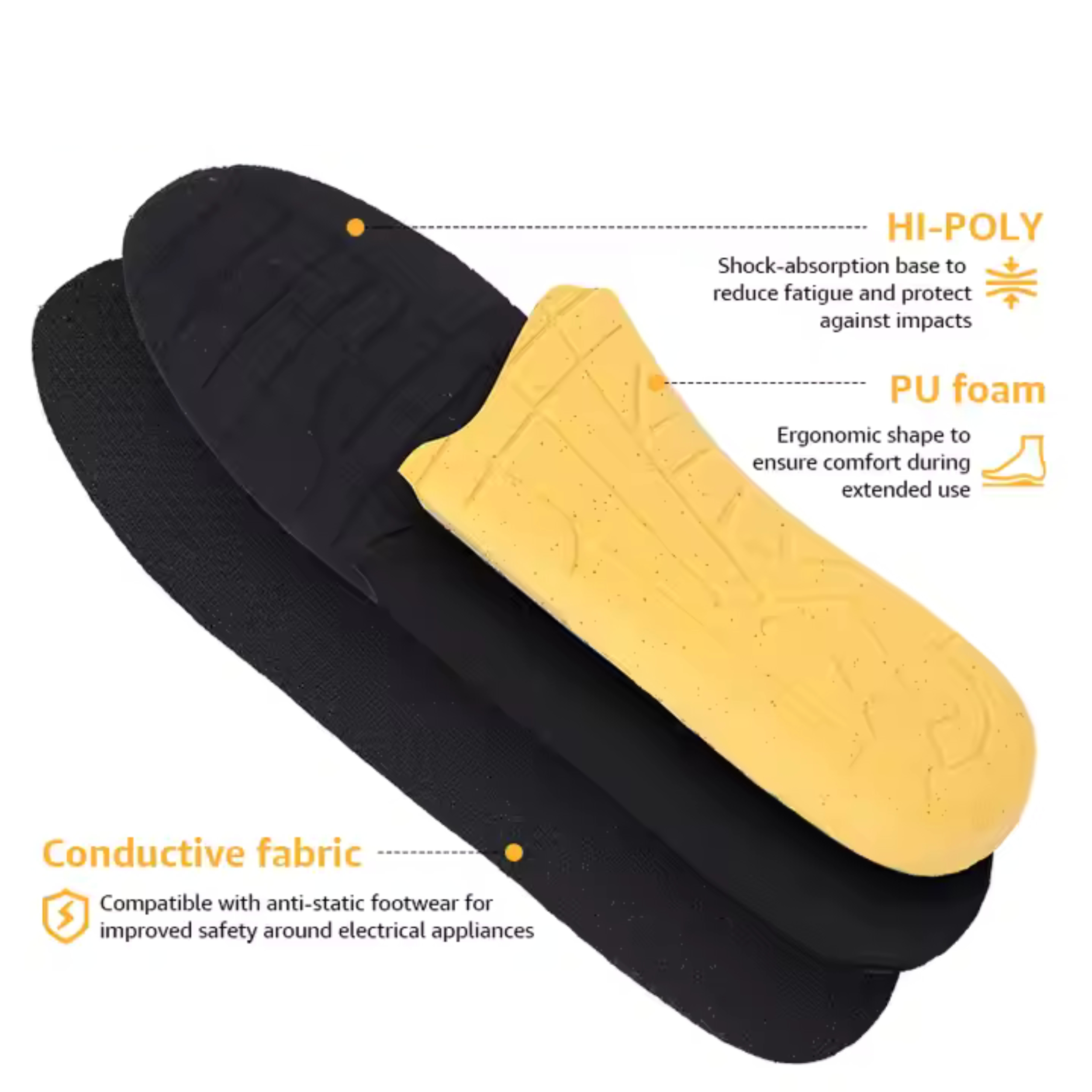
ESD Work Insole
View Details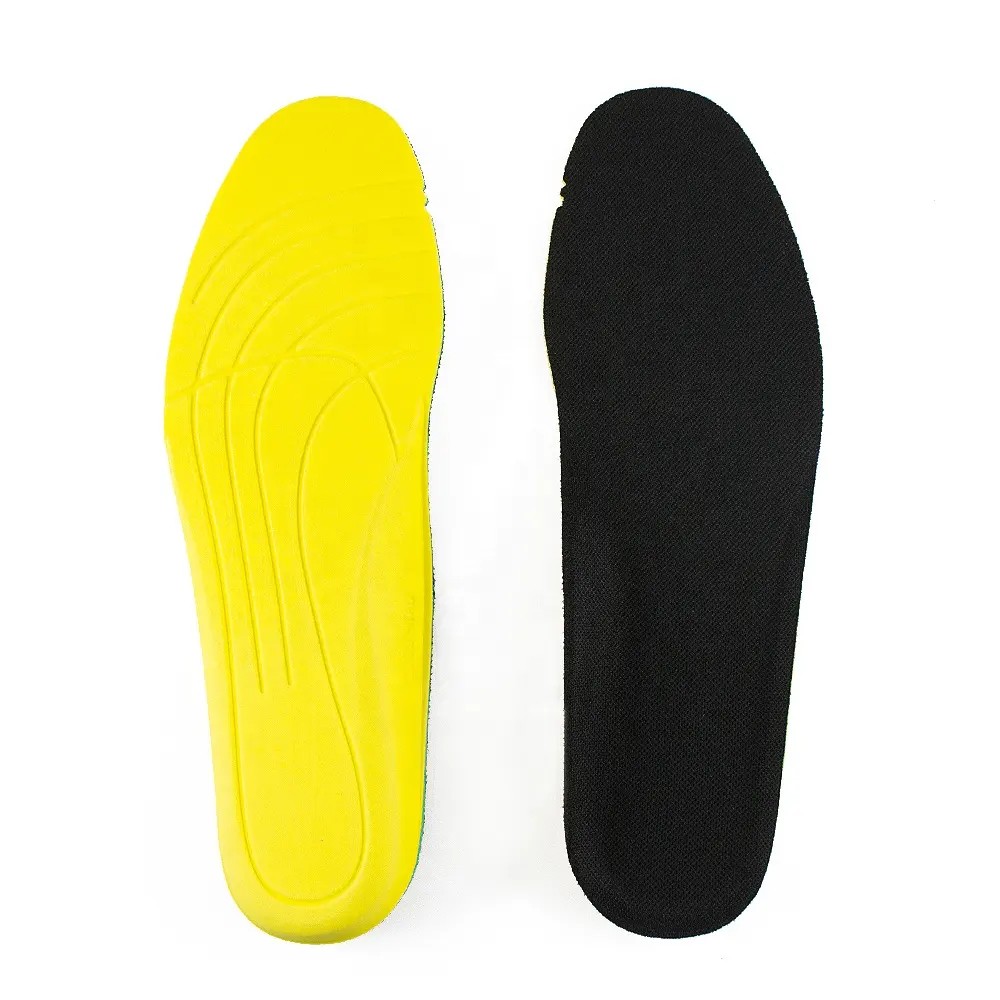
Comfort Memory Foam Insole
View Details
Supercritical Foaming Light and High Elastic MTPU
View Details
ESD Insole Antistatic PU Insole
View Details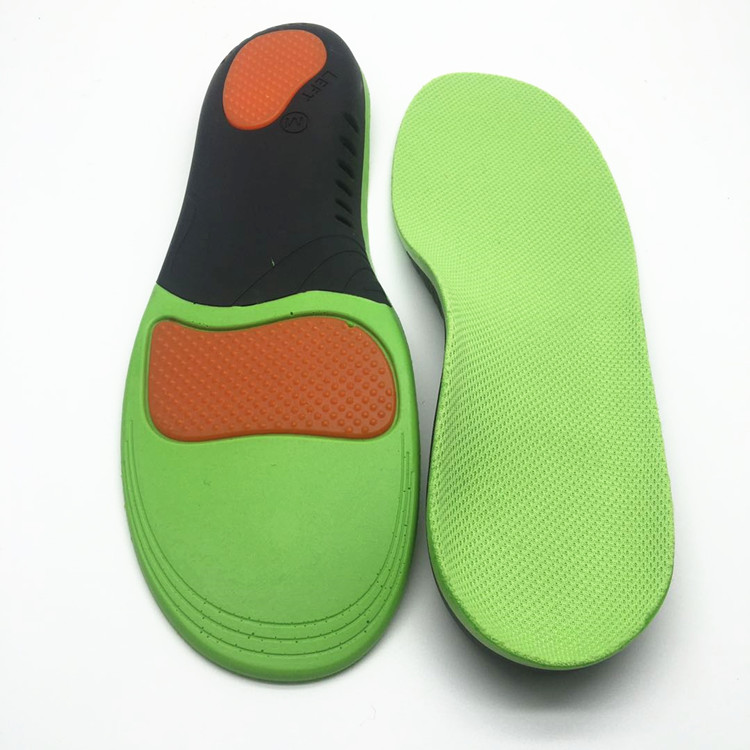
Foamwell TPU Arch Support Pain Relief PU Shock Absorption Orthotic Insole
View Details