Clinical & Therapeutic Solutions
Select high-performance orthotics engineered to maintain structural integrity and biomechanical alignment under continuous stress.
The Critical Role of Low Compression Set Insoles in Modern Podiatry
In the fields of clinical podiatry and therapeutic foot care retail, the performance of orthotic materials is defined by one critical metric: durability under pressure. A low compression set insole is engineered to resist permanent deformation over time. When a patient steps onto an insole, the material compresses to absorb shock and distribute weight. However, standard materials quickly lose their elasticity, leading to "bottoming out"—a state where the insole remains permanently flattened, losing its therapeutic properties.
For podiatry clinics, prescribing an insole that suffers from high compression set means the patient's biomechanical alignment will degrade within weeks of use. This can lead to a return of symptoms such as plantar fasciitis pain, joint misalignment, and localized pressure points that are particularly dangerous for diabetic patients. By utilizing low compression set technologies, such as Foamwell's advanced PU, memory foams, and supercritical foamed materials, clinics can guarantee consistent, long-term therapeutic outcomes.
Biomechanical Stability
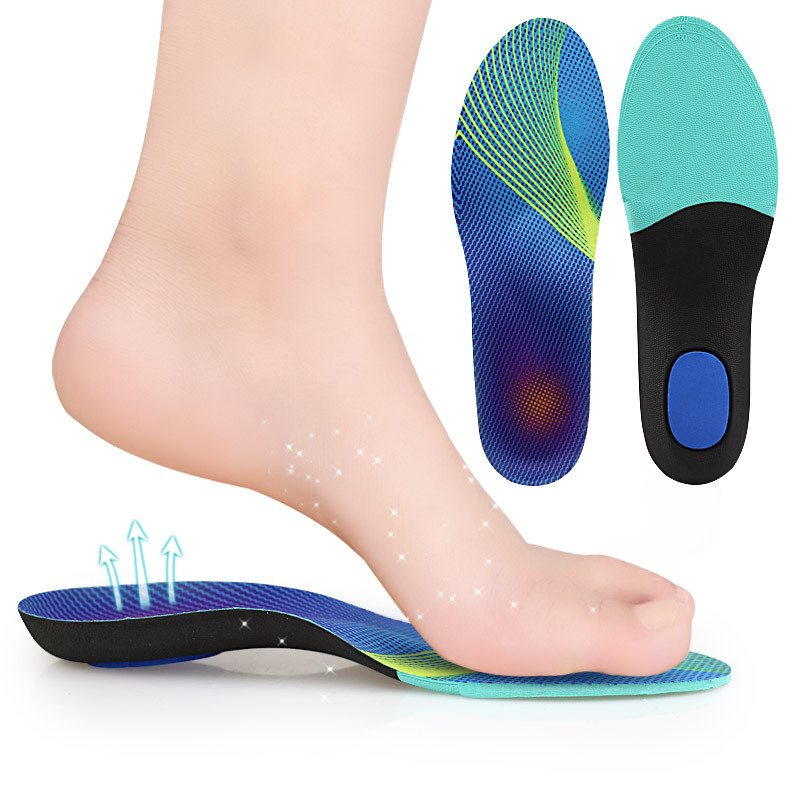
Maintains precise arch contours and structural support, preventing overpronation and joint misalignment even after months of daily use.
Pressure Offloading
Crucial for diabetic foot care; consistently redistributes plantar pressure to prevent localized high-stress zones and ulceration.
Shock Absorption
Preserves dynamic rebound capabilities, mitigating joint impact forces during gait cycles for patients recovering from injuries.
Industrial Status: The Evolution of Footwear Materials in Therapeutic Retail
The therapeutic foot care retail market is experiencing a significant shift in consumer demands. Today's consumers are highly educated about foot health and are moving away from cheap, generic gel inserts toward high-tech, medical-grade orthotic solutions. Retailers that partner with clinical-grade manufacturers can differentiate themselves by offering products that deliver measurable, long-term comfort.
Industrially, the development of low compression set foams involves advanced polymer chemistry. Traditional EVA (Ethylene-Vinyl Acetate) has long been the standard for orthotic bases due to its lightweight nature and ease of molding. However, standard EVA is prone to rapid compression set. The industry has responded by introducing blended polymers, cross-linked polyurethane structures, and supercritical foaming technologies. These innovations allow manufacturers to create insoles that combine the lightweight properties of EVA with the structural resilience of high-grade polyurethanes, creating a hybrid product that satisfies both podiatrists and retail consumers.
We Are Around Everywhere You Need Us To Be!
Global Factory Footprint
Foamwell is registered in Hong Kong with production facilities in China, Vietnam and Indonesia, specializing in the development and manufacturing of sustainable environmentally friendly PU Foam, Memory Foam, Patent Polylite Elastic Foam, Polymer Latex; Foamwell also focuses on the development and manufacturing of EVA, PU, LATEX, TPE, PORON, POLYLITE, Supercritical Foaming insoles, PU Orthotic insole, Customized insoles, Heightening insoles, High-tech insoles, and products for foot care. Foamwell excels in innovating increases of comfort, shock absorption, breathability, high resilience, orthotic treatments, nanoscale deodorization, silver ion antibacterial, ESD, and Bio elements.

Developing Trends: Sustainability and High-Tech Integration
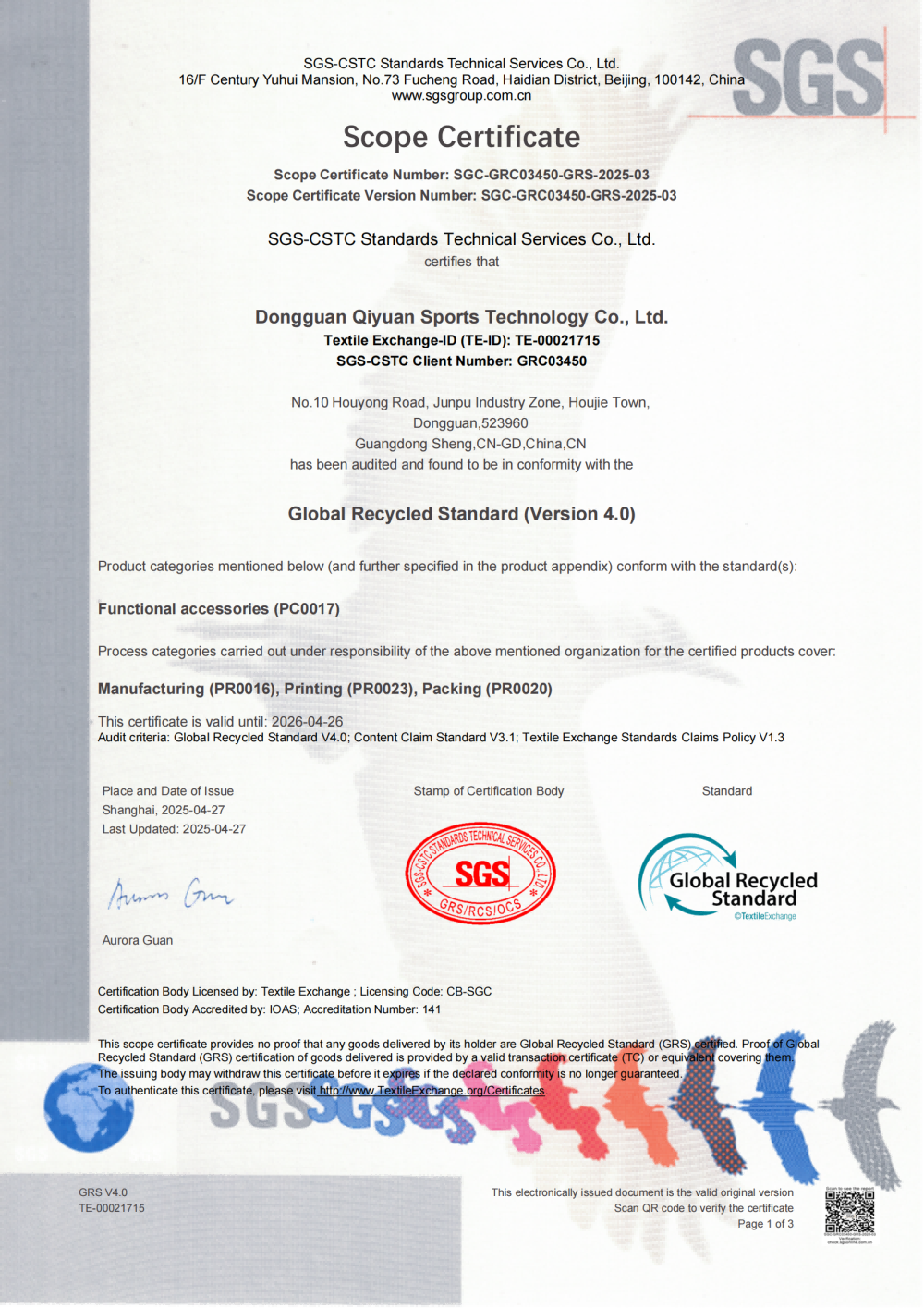
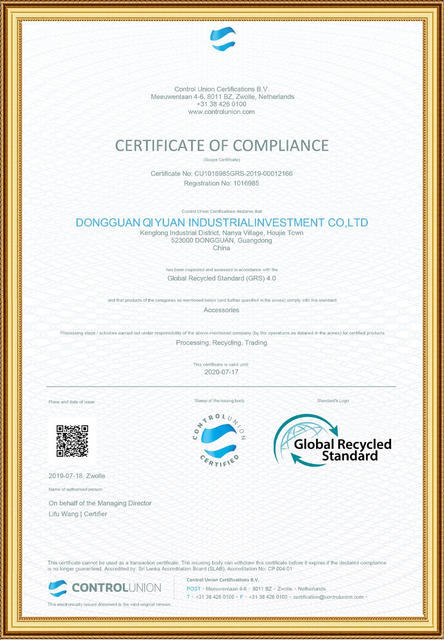
As environmental awareness grows globally, the therapeutic foot care sector is integrating sustainable practices without sacrificing clinical performance. The development of bio-based polyols and recycled thermoplastic elastomers (TPE) has allowed manufacturers to produce low compression set insoles with a significantly reduced carbon footprint. Foamwell is at the forefront of this movement, utilizing Global Recycled Standard (GRS) certified materials to engineer sustainable orthotics that meet strict medical specifications.
Another major trend is the integration of active elements within the foam matrix. Nanoscale deodorization, silver ion antibacterial treatments, and electrostatic discharge (ESD) capabilities are no longer premium add-ons but standard requirements for clinical environments. In podiatry clinics, managing the microclimate of the shoe is essential for patients with compromised skin integrity, such as those with diabetes or peripheral arterial disease. Antibacterial and highly breathable open-cell foams help maintain a dry, sterile environment, reducing the risk of secondary infections.
The Science of Compression Set Testing
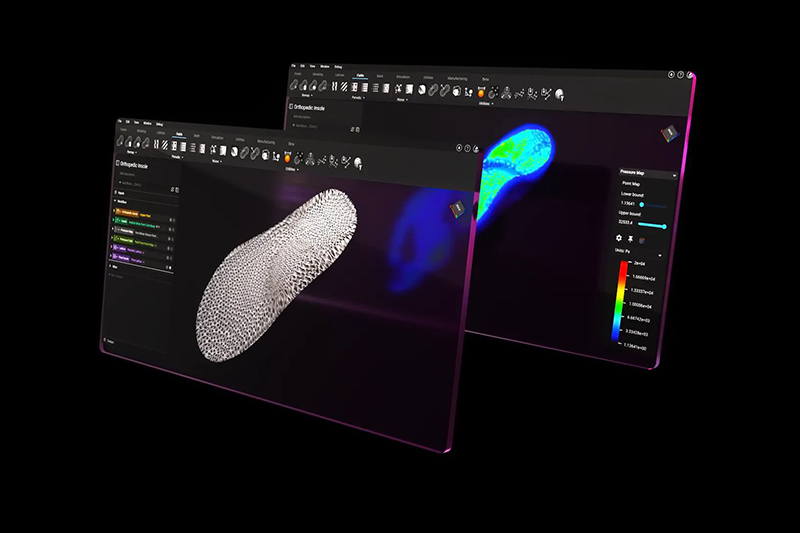
To understand why low compression set insoles are superior, one must look at the standard testing protocols (such as ASTM D395). In these tests, foam samples are compressed to a fraction of their original thickness under specific temperatures for an extended duration. Upon release, the permanent deformation is measured. Standard retail insoles often exhibit a compression set of over 20-30%, meaning they permanently lose nearly a third of their cushioning. Foamwell's premium orthotic lines maintain a compression set of under 5%, ensuring that the support prescribed on day one remains virtually unchanged even after a year of heavy use.
Quality Control & In-House Laboratory
Our vision is to customize and produce products for foot health with incomparable comfort and high performance for every customer.
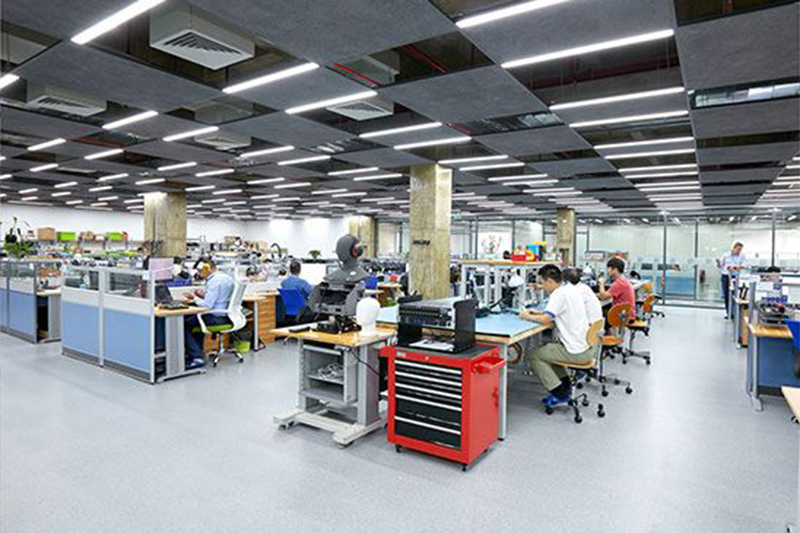
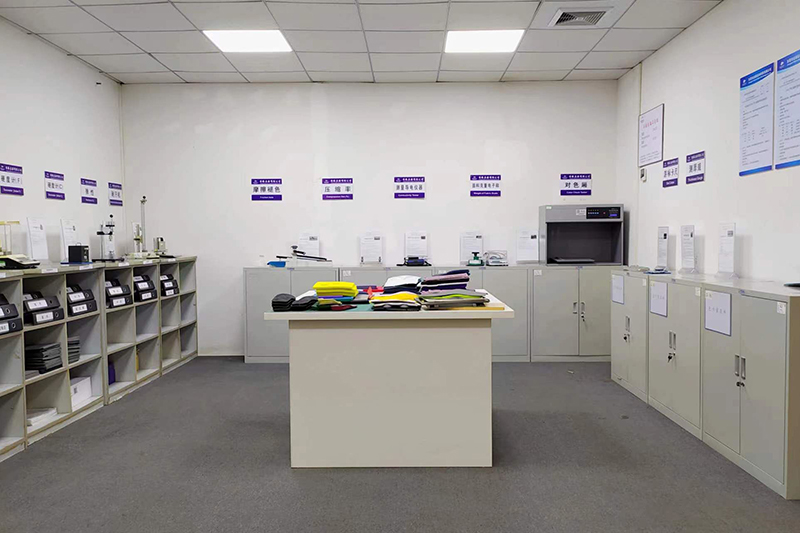
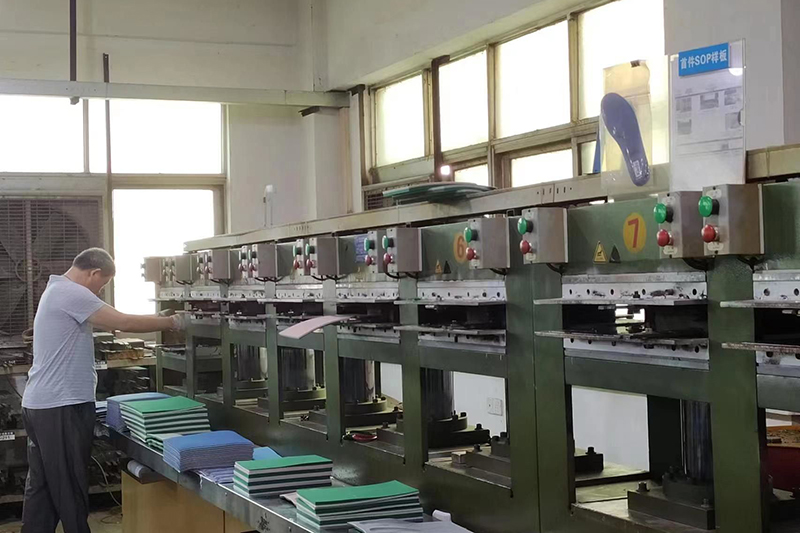
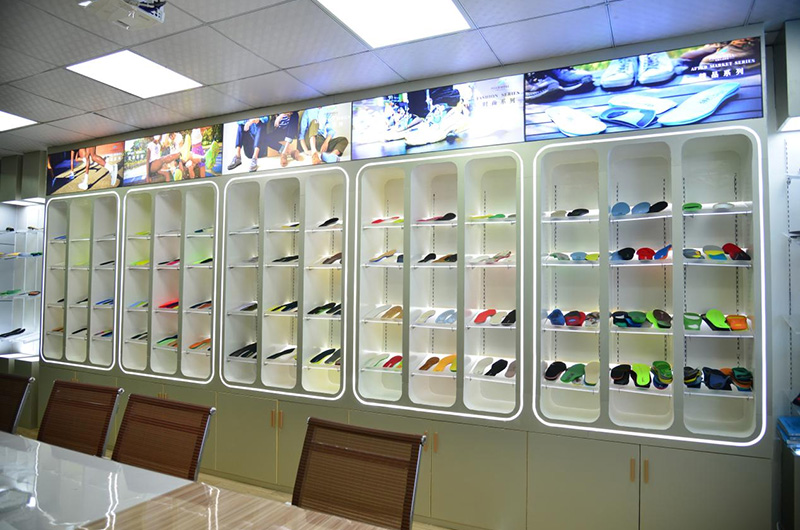
Foamwell in-house Testing Laboratory plays a key role in our company’s business. It is formed by a group of specialists to ensure the quality standard for each product from incoming material to ready-to-ship process, to provide customers with the very best product.



Foamwell Advantages
Our vision is to customize and produce products for foot health with incomparable comfort and high performance for every customer.
Why Choose Us
Our vision is to customize and produce products for foot health with incomparable comfort and high performance for every customer.
Time Effectiveness
3-5 days for design, 5-7 days for samples, 30-35 days for bulk order delivery.
Cost Effectiveness
With production facilities in China, Vietnam, and Indonesia for local delivery and service to minimize logistics overhead.
Environmental Friendly
Processed with recycled/bio-based materials and energy-efficient production methods to minimize carbon footprint.
In-Depth Application Scenarios in Clinical Podiatry
Low compression set insoles are highly versatile medical devices. In clinical practice, they serve as the foundation for several specialized treatments:
1. Plantar Fasciitis Management
Plantar fasciitis requires consistent tension relief on the plantar fascia ligament. If an insole compresses permanently, the arch support drops, allowing the foot to overpronate and re-stretching the inflamed tissue. A low compression set orthotic ensures that the medical-grade arch profile remains rigid enough to support the windlass mechanism, facilitating faster healing and reducing morning heel pain.
2. Diabetic Foot Offloading
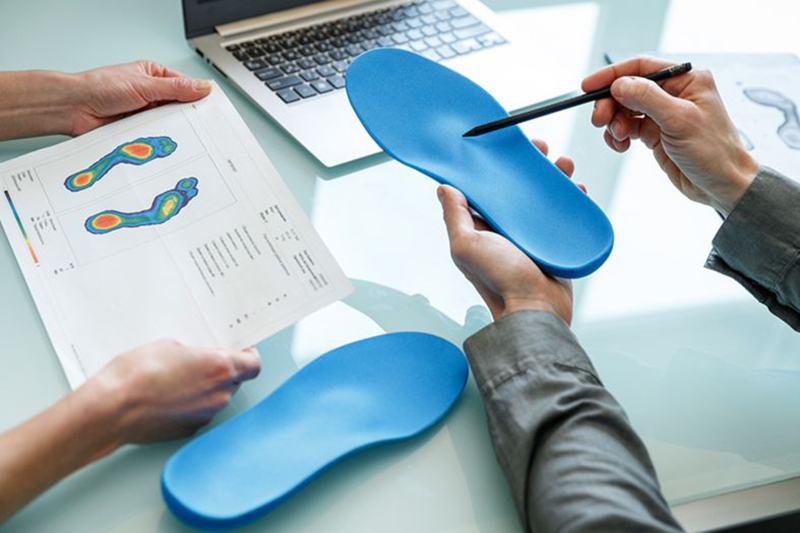
For patients with diabetic neuropathy, the loss of sensation makes them highly susceptible to pressure ulcers. An insole that bottoms out can create high-pressure hotspots under the metatarsal heads. Using custom-molded, low compression set materials ensures that the pressure is evenly distributed across the entire plantar surface throughout the life of the orthotic, directly preventing severe clinical complications.
3. Pediatric Biomechanical Correction
Children suffering from pediatric flatfoot or calcaneal apophysitis (Sever's disease) require consistent alignment correction during their growth phases. Insoles made with resilient, low compression set foams provide the stable platform necessary to guide proper joint development and gait patterns without premature structural breakdown.
Certificates & Standards
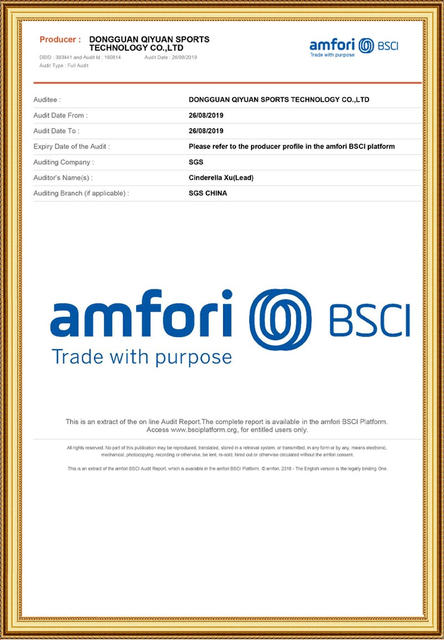
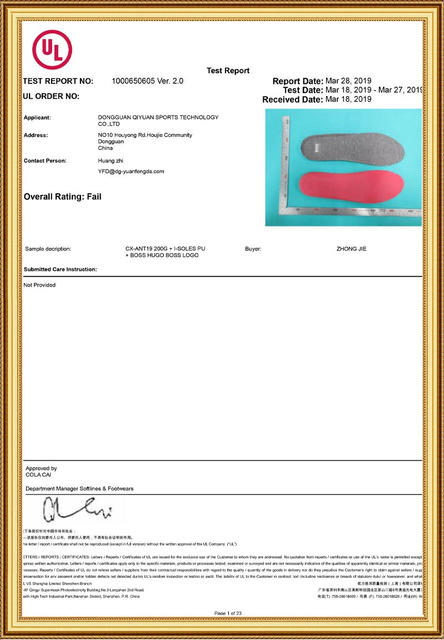
Foamwell has been approved the ISO Certificate, BSCI, GRS, and owns lots of patents for the insole invention and designs.
Our Complete Product Portfolio
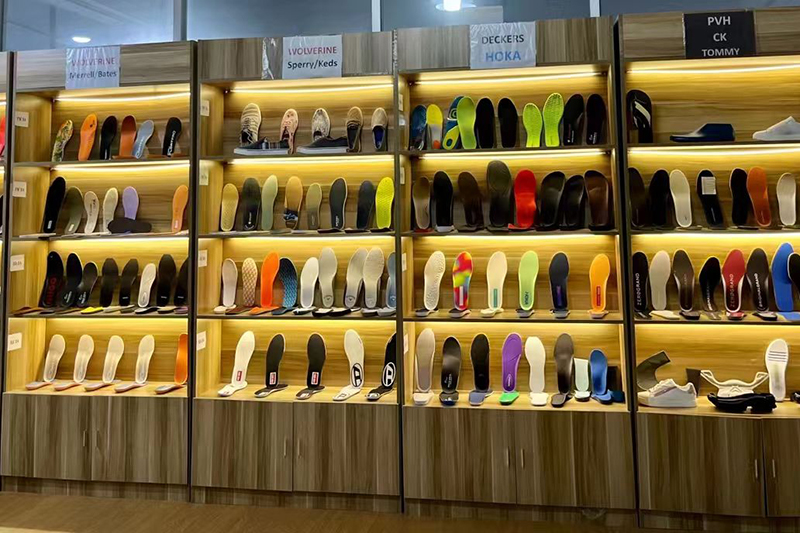
Explore our full range of therapeutic, clinical, and sustainable orthotic insoles designed for global distribution and clinical prescription.