
Foot health plays a critical role in overall body comfort and movement stability. As consumers become more aware of posture, walking mechanics, and long-term physical wellness, Orthotic insoles are becoming increasingly important in both healthcare and lifestyle markets. Unlike standard insoles designed only for cushioning, Orthotic insoles focus on structural support, pressure distribution, and biomechanical balance. For healthcare brands, footwear companies, and distributors, working with a professional Orthotic insole manufacturer is essential for delivering reliable support solutions that improve comfort and long-term foot health.
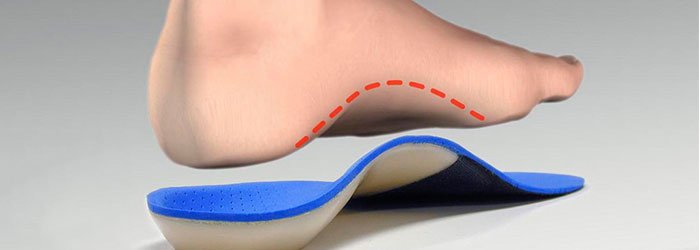
Why Orthotic Insoles Are Becoming More Popular
Modern lifestyles often place significant stress on the feet.
Long working hours, prolonged standing, improper footwear, and high physical activity levels can all contribute to discomfort and movement imbalance.
As awareness of foot-related health issues increases, more consumers are seeking Orthotic support solutions that improve comfort during daily movement.
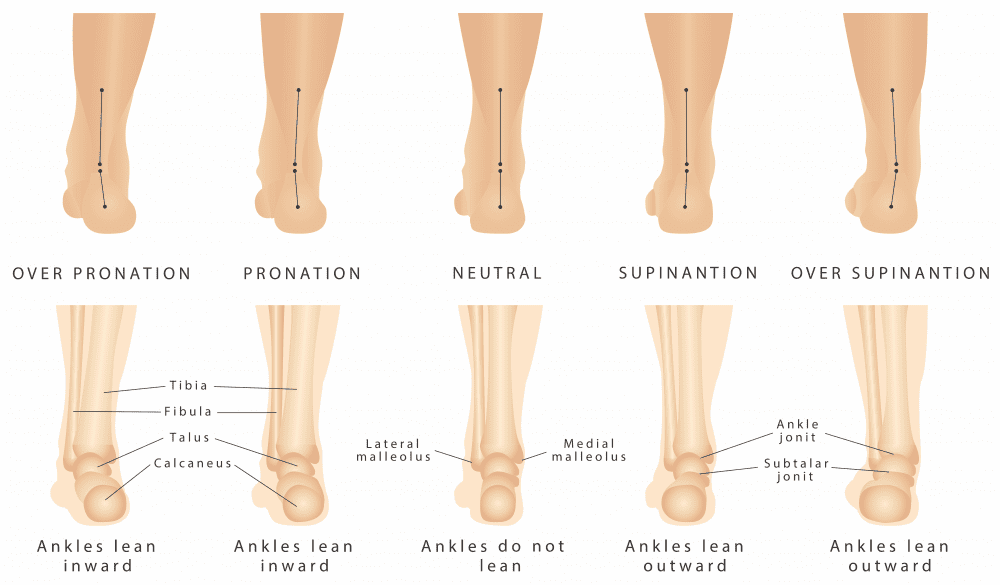
Foot Alignment Influences Overall Body Balance
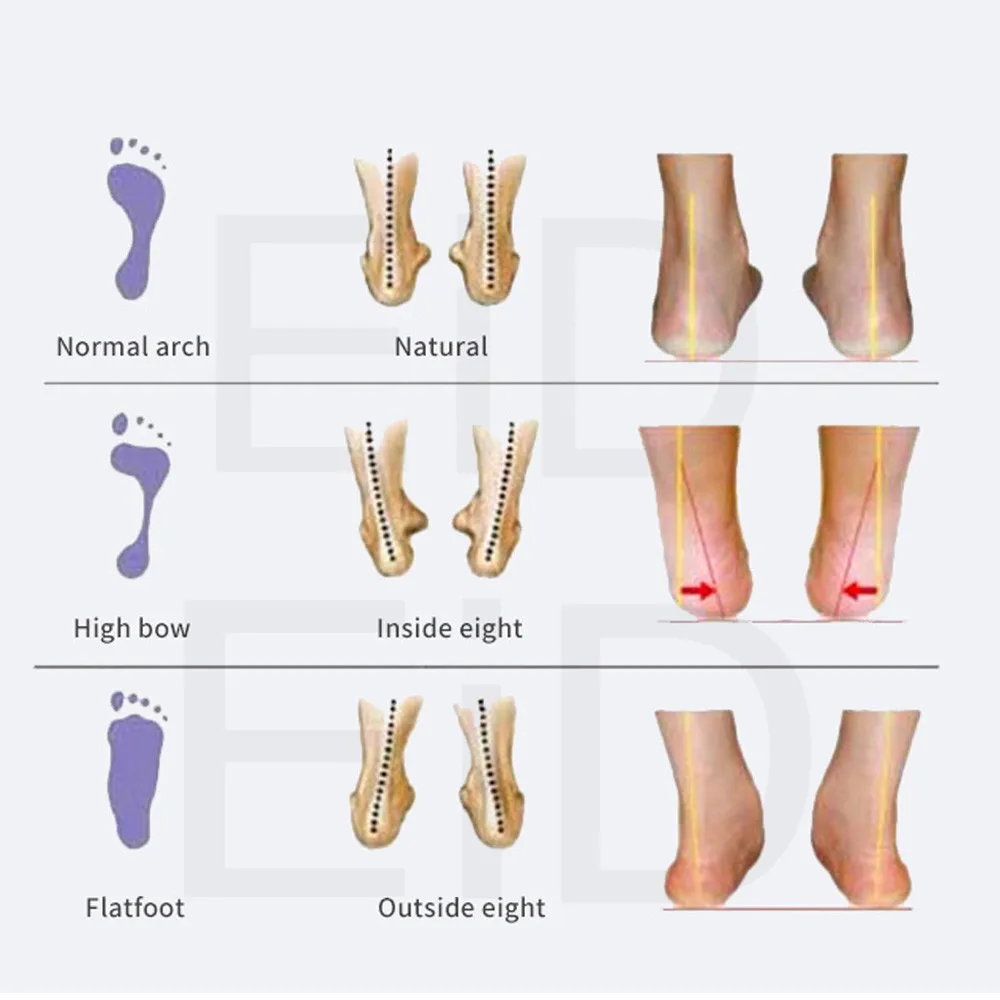
The feet serve as the body’s support foundation. Poor foot alignment may affect posture, walking patterns, and joint pressure throughout the body.
Preventive Foot Care Is Becoming More Common
Many consumers now use Orthotic insoles not only for pain relief but also as part of long-term wellness and preventive care routines.
H2: Orthotic Insoles Focus on Structural Support Rather Than Simple Cushioning
Traditional insoles often prioritize softness alone.
Orthotic insoles, however, are designed to provide more targeted support based on foot structure and pressure distribution.
This difference makes Orthotic products especially important for individuals experiencing arch instability, heel discomfort, or prolonged standing fatigue.
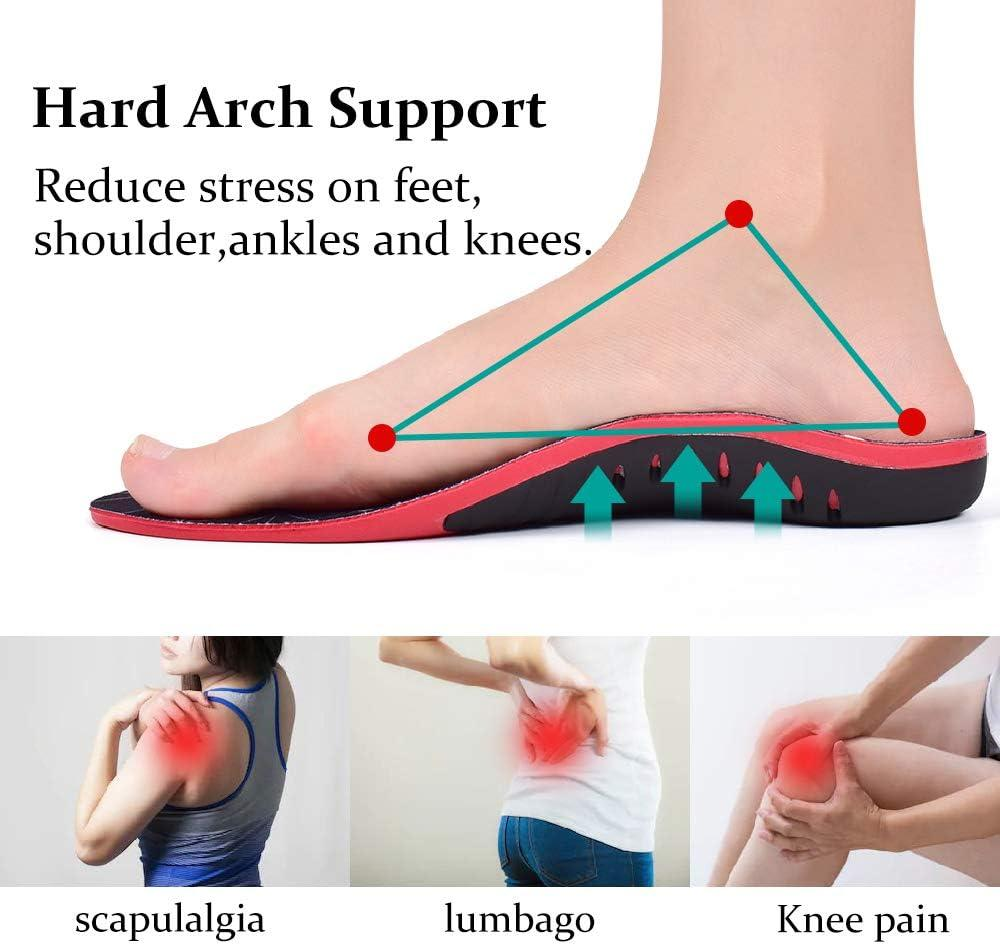
Arch Support Helps Improve Stability
Proper arch support helps distribute body weight more evenly across the foot, improving walking comfort and reducing pressure concentration.
Heel Stabilization Supports Natural Movement
Heel support structures help improve foot positioning and reduce excessive movement during walking or standing.
Different Users Require Different Orthotic Solutions
Orthotic insole demand varies significantly depending on lifestyle, occupation, and physical condition.
Manufacturers increasingly develop products tailored for specific user groups rather than one universal structure.
Office Workers and Standing Professionals Prioritize Comfort
People who stand for long periods often seek insoles that reduce foot fatigue and improve pressure relief throughout the day.
Elderly Consumers Focus on Stability and Safety
Older users often prioritize balance support and walking comfort to improve movement confidence.
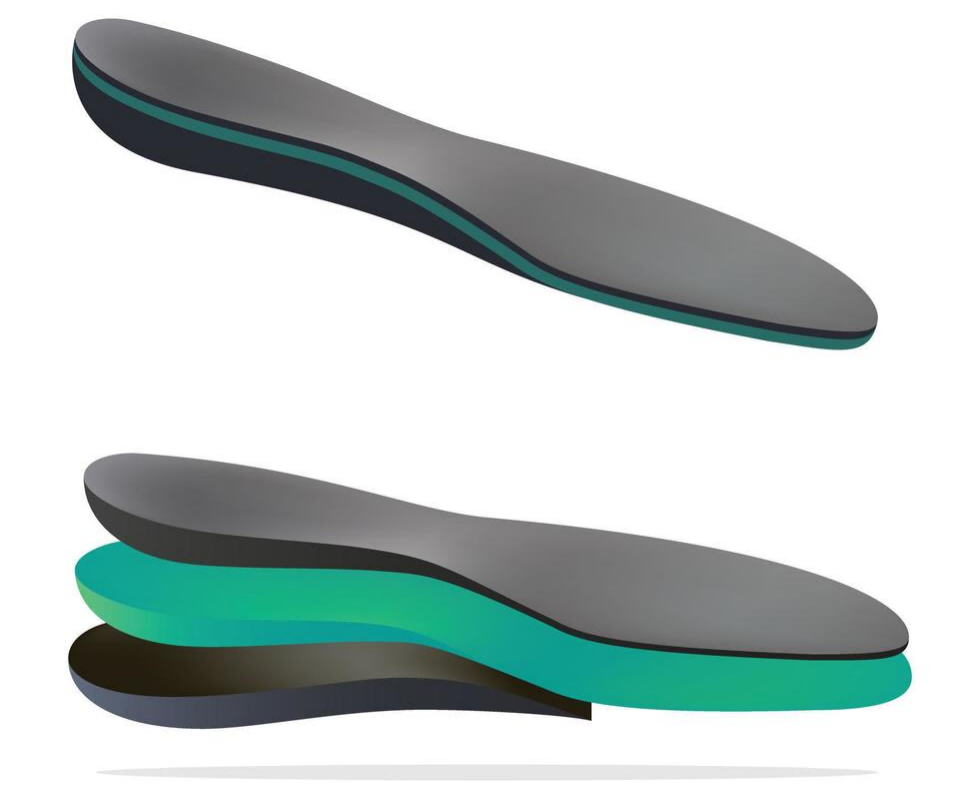
Material Technology Strongly Influences Orthotic Performance
Material selection is one of the most important factors in Orthotic insole manufacturing.
Manufacturers increasingly use advanced foam systems, memory materials, gel cushioning, TPU support structures, and breathable fabrics to improve long-term comfort.
Different material combinations affect flexibility, support intensity, durability, and moisture management.
Multi-Layer Structures Improve Pressure Distribution
Layered material systems help balance cushioning softness with structural support.
Breathable Materials Improve Daily Comfort
Moisture-control fabrics and ventilation channels help reduce heat buildup during long-term wear.
Ergonomic Design Has Become Central to Product Development
Modern Orthotic insoles increasingly rely on ergonomic and biomechanical analysis during product design.
Manufacturers study walking patterns, foot pressure zones, and posture mechanics to improve support effectiveness.
This approach helps create products that feel both supportive and comfortable during everyday use.
Pressure Mapping Improves Product Accuracy
Foot pressure analysis helps manufacturers optimize support placement and reduce stress concentration areas.
Flexible Support Improves Adaptability
Modern Orthotic insoles increasingly aim to provide support without creating excessive stiffness.
Customization Is Expanding Across Orthotic Markets
Consumers increasingly expect more personalized support solutions.
Orthotic insole manufacturers now provide customization options related to:
● Arch height
● Heel cup depth
● Cushioning density
● Material combinations
● Surface fabrics
● Logo branding
Customization allows brands to address different comfort preferences and foot support needs more effectively.
Personalized Fit Improves User Satisfaction
Customized support structures often improve long-term comfort and product acceptance.
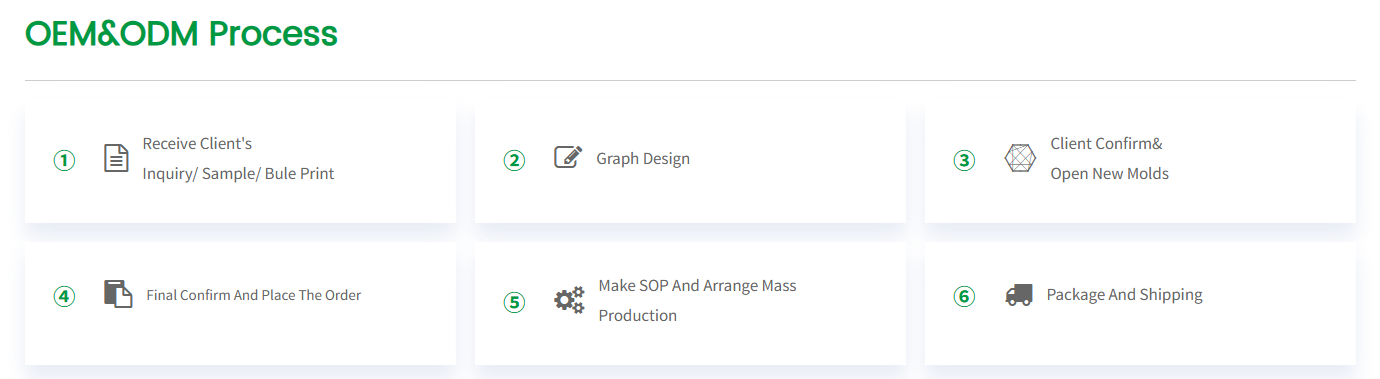
OEM and ODM Services Support Brand Development
Private-label manufacturing helps healthcare and footwear brands expand product categories more efficiently.
Manufacturing Precision Determines Product Reliability
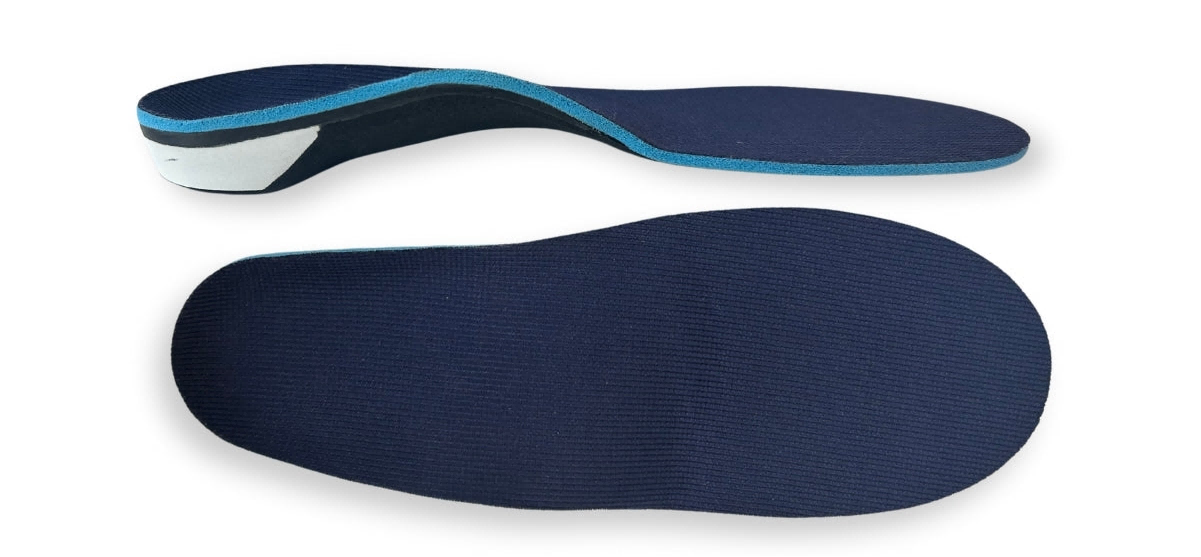
Orthotic insoles require highly stable manufacturing standards because structural consistency directly affects user experience.
Professional manufacturers focus heavily on:
● Density consistency
● Mold accuracy
● Material stability
● Bonding durability
● Surface finishing
Even small production variations can influence support performance and comfort perception.
Consistent Structures Improve Product Trust
Users expect stable support performance across every product within a brand line.
Durability Is Essential for Daily Use
Orthotic insoles must maintain shape and support effectiveness during long-term repetitive wear.
Healthcare and Lifestyle Markets Are Becoming More Connected
Orthotic insoles are no longer limited to medical applications alone.
Modern consumers increasingly seek products that combine wellness support with lifestyle comfort and modern aesthetics.
This trend is encouraging manufacturers to create products that feel less clinical and more suitable for everyday use.
Comfortable Design Improves Consumer Acceptance
Soft-touch materials and modern appearance help Orthotic products feel more approachable.
Wellness Trends Continue Expanding Demand
Growing interest in health management and ergonomic living is increasing demand for supportive footwear accessories.
Sustainability Is Influencing Orthotic Product Manufacturing
Environmental awareness is also affecting Orthotic insole production.
Manufacturers are increasingly exploring:
● Recyclable foam systems
● Eco-friendly fabrics
● Water-based adhesives
● Long-life material structures
● Reduced material waste
Sustainability is becoming an additional factor influencing global sourcing decisions.
Future Trends in Orthotic Insole Manufacturing
The Orthotic insole industry continues evolving toward more intelligent and personalized support solutions.
Future trends may include:
● AI-assisted foot analysis
● Smart pressure-monitoring systems
●3D-printed Orthotic structures
● Lightweight ergonomic materials
● Enhanced customization technologies
As consumers continue prioritizing comfort and preventive health, Orthotic insoles will play a larger role in both healthcare and daily lifestyle markets.
Conclusion
Orthotic insoles have become increasingly important because they combine ergonomic support, pressure relief, and long-term comfort improvement.
For healthcare brands, footwear companies, and distributors, selecting the right Orthotic insole manufacturer involves evaluating much more than production capability alone. Material technology, ergonomic design, structural consistency, and customization flexibility all directly influence product effectiveness and customer satisfaction.
As global demand for wellness-oriented products continues growing, professional Orthotic insole manufacturers with strong technical expertise and stable production quality will remain important partners in the evolving foot health industry.
FAQ
What are Orthotic insoles used for?
Orthotic insoles help improve foot support, pressure distribution, posture alignment, and walking comfort.
How are Orthotic insoles different from regular insoles?
Orthotic insoles focus more on structural support and biomechanical balance rather than simple cushioning.
What materials are commonly used in Orthotic insoles?
Common materials include EVA foam, memory foam, TPU support systems, gel cushioning, and breathable fabrics.
Can Orthotic insoles be customized?
Yes. Manufacturers commonly provide custom arch support, cushioning density, heel structures, and private-label branding.
What should brands evaluate when choosing an Orthotic insole manufacturer ?
Brands should consider ergonomic expertise, material quality, manufacturing consistency, customization capability, and OEM/ODM support.
Post time: Jun-03-2026